
Vandaag of morgen in huis

Kwaliteit gegarandeerd

Welkomstaanbiedingen ontgrendelen: GRATIS bezorging | Tot 80% korting | Gratis 30 dagen JoyPlus-proefperiode
Download de app
A jar of Chinese sauces can add plenty of flavour to a quick meal, but the range on offer varies enormously. Whether you're after a Chinese chilli sauce for dumplings, a hotpot dipping sauce or a sauce for noodles and rice, simply looking at a flashy label isn't enough. The texture, ingredients, heat level and storage instructions all determine whether a product truly suits your cooking.
Terms like chilli, spicy or hot don't indicate a fixed heat scale. One sauce may be mostly oil and dried chilli, while another contains garlic, vinegar, sugar or fermented beans. As a result, the flavour can be sharp, sweet, savoury or deeply umami.
So first, think about what you'll be using the sauce for:
"Suitable for everything" sounds convenient, but a thin sauce works differently from a thick paste or oil with chilli pieces. A sauce for noodles and rice isn't automatically right as a marinade. Check the usage instructions and see whether the texture suits your dish.
Chinese sauces frequently contain soya, wheat, sesame, peanuts, fish or prawns. This applies, for example, to some satay sauces, sesame sauces and fermented chilli products. Always check the label, even if you've bought the product before.
Salt content also varies widely. In the product specifications, this is usually given per 100 grams or 100 millilitres. That makes comparing much easier than relying on words like "mild" or "traditional".
The first ingredients on the label often give a clear indication of the sauce's character. Chilli, oil and garlic usually point to an aromatic chilli sauce. Fermented black beans deliver a savoury, deep flavour. Sesame provides a creamy, toasted base and works well with dumplings and hotpot.
A Pixian bean paste, like the one in Juan Cheng Dipping Sauce, is combined with chilli, fermented black beans, ginger, garlic and Sichuan pepper. That's a very different flavour profile from a sweet chilli sauce with sugar, vinegar and garlic.
Pay attention to the difference between:
A thick Chinese garlic sauce, for example, clings better to dumplings, whereas a liquid sauce mixes more easily through noodles.
Compare the volume with how often you'll use the product. A 100-gram pack can be practical if you want to try different flavours. For regular use, sizes from 200 to 430 grams are often more convenient.
Also check the storage instructions. Many sauces need to be refrigerated after opening and used within a short period. For products with a high salt or oil content, the storage method doesn't automatically change: always follow the information on the packaging.
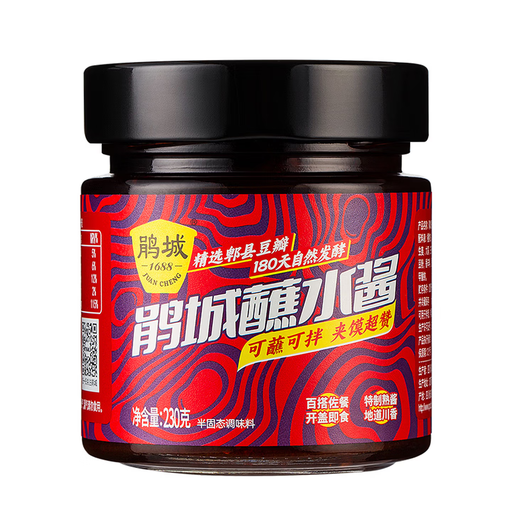
Why this fits the profile: This semi-solid sauce is ready to use as a dip, or can be mixed with rice and noodles. That makes one pack useful for several simple meals.
The use and texture are clearly described. The ingredients list includes Pixian bean paste, chilli and fermented black beans, among others.
230 grams, ready to use straight away and suitable for dips, rice, noodles and stir-fries. Contains soya, wheat, sesame and broad beans.
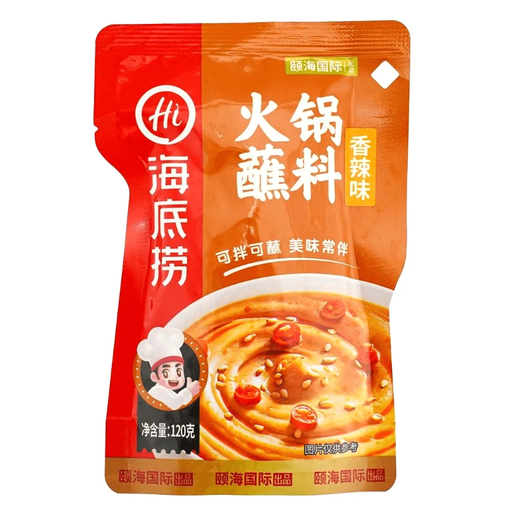
Why this fits the profile: The recipe combines sesame paste, fermented soya, chilli, garlic and Sichuan pepper. That suits dinner occasions where the dipping sauce takes centre stage.
The product information lists the allergens present and states that the sauce must be refrigerated after opening.
Ready to use, 120 grams and specifically intended for hotpot, noodles and dumplings. Contains soya, sesame and wheat.
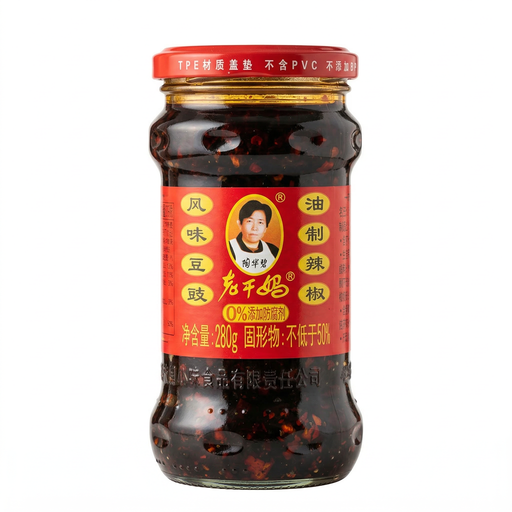
Why this fits the profile: The combination of chilli oil and fermented black beans is ideal for anyone who often cooks rice, noodles or stir-fries.
This isn't a generic sweet chilli sauce: the product description clearly states the beans, oil and its use as a flavour enhancer.
280 grams, suitable for rice, noodles and hot stir-fries. Contains soya and wheat; use immediately after opening according to the product information.
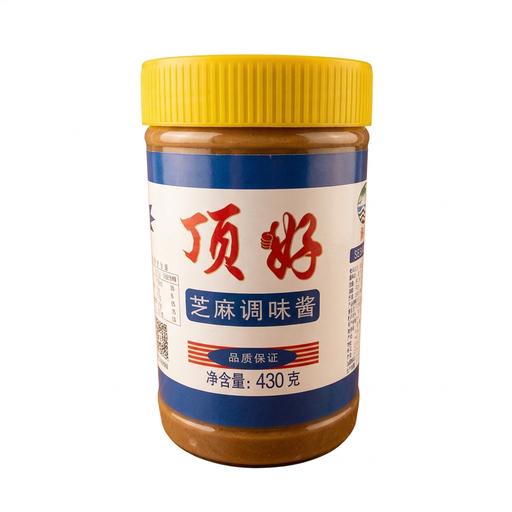
Why this fits the profile: The sesame base is intended for cold noodles, salads, dumplings, hotpot and marinades. The paste can be thinned with warm water.
The recommended uses and the option to adjust the consistency are clearly stated.
430 grams and 60% sesame according to the product specification. Contains sesame and soya.
We've put together a full, up-to-date list of products that fully meet these strict selection criteria and comply with current European safety regulations.
For dumplings, you can choose from a spicy dipping sauce, chilli oil or sesame sauce. A sesame sauce provides a creamy base; chilli oil adds mainly aroma and heat. With blended sauces, check the allergens such as soya, sesame, wheat and peanuts.
This varies by product. Many sauces need to be sealed tightly and stored in the fridge after opening. For some oil or chilli products, the instructions say they should be used immediately after opening. Always follow the label and don't use any product where the packaging is damaged.
Sambal is usually a paste made from chilli peppers with, for example, salt, oil, garlic or vinegar. Chinese chilli sauce can also contain fermented beans, Sichuan pepper, sesame or other spices. As a result, the texture and flavour differ from recipe to recipe. When buying, always look at the ingredients list and the intended use.
