
Vandaag of morgen in huis

Kwaliteit gegarandeerd

Welkomstaanbiedingen ontgrendelen: GRATIS bezorging | Tot 80% korting | Gratis 30 dagen JoyPlus-proefperiode
Download de app
Chinese sauces quickly add more flavour to noodles, rice, vegetables and meat. Yet choosing the right one isn’t always straightforward. A chilli sauce can be predominantly sweet, while a chilli oil is often high in fat and spices. Likewise, light soy sauces may look similar but can differ significantly in salt content and ingredients.
This guide helps you compare Chinese sauces based on their use, composition and storage instructions. That way, you’re not just buying on the strength of a flashy label, but on the qualities that suit your kitchen.
A pack might refer to a traditional method of preparation or a regional cuisine. That doesn’t automatically tell you how hot, sweet or salty the sauce tastes. So look at the ingredients and the usage instructions. A Sichuan sauce with chilli, fermented beans and Sichuan pepper has a very different flavour profile to a sweet and sour sauce made with tomato, vinegar and pineapple juice.
Information from a brand about taste or origin reflects the manufacturer’s description. According to the product description from Chuanwazi, for example, its chilli oil is inspired by Sichuan flavour combinations with chilli, sesame and Sichuan pepper.
A wok sauce or soy sauce in a 500 ml bottle might seem appealing if you cook Asian food often. However, once opened, some products need to be refrigerated and used within a certain period. If you only make dumplings now and then, a smaller pack could be more practical.
Also check whether you’ll use the sauce every day. Soy sauce, oyster sauce and hoisin sauce are versatile; a char siu sauce is mainly for marinating and glazing.
Chilli sauce, chilli oil and Pixian bean paste can be powerful. Start with a small amount and add more later. Also pay attention to the nutritional information. In the product data provided, Lee Kum Kee Premium Light Soy Sauce contains 18 grams of salt per 100 ml. With oyster sauce and fermented bean products, the salt levels can also be significant.
If you have any allergies, always check the label. Many Chinese sauces contain soya, wheat, gluten, sesame, peanuts or shellfish.
The ingredients list shows which flavour carriers the sauce uses. Examples:
If you have an allergy, always check the actual packaging. Recipes and labels can change.
Not every sauce works the same way in a dish. A dipping sauce is usually ready to use straight away. A wok sauce is added during cooking, while a marinade needs longer contact with meat, tofu or vegetables.
Bear this practical breakdown in mind:
Many sauces are shelf-stable unopened in a cool, dry place. After opening, product descriptions often recommend refrigeration. Always close the bottle or jar tightly and use the date and instructions on the packaging as your guide.
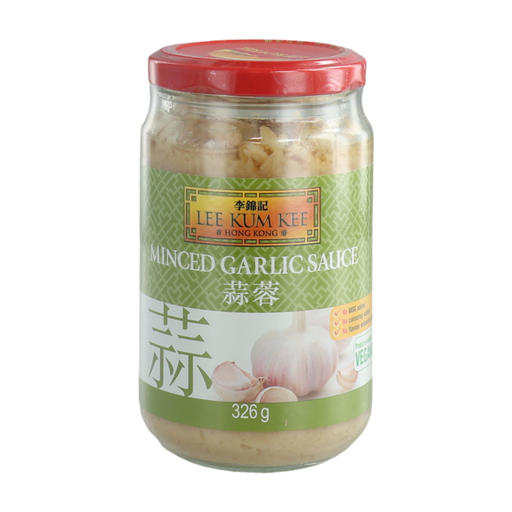
Why it fits this profile: This ready-to-use chilli sauce, with 25% garlic according to the product description, is ready to use with dumplings, vegetables, noodles and grilled dishes.
The possible uses are clearly described. You don’t need to mix separate garlic, chilli and a base dressing.
326 g pack, ready to use and suitable for dipping, stir-frying and marinating. According to the product data provided, it contains no soya or wheat, but check the label if you have allergies.
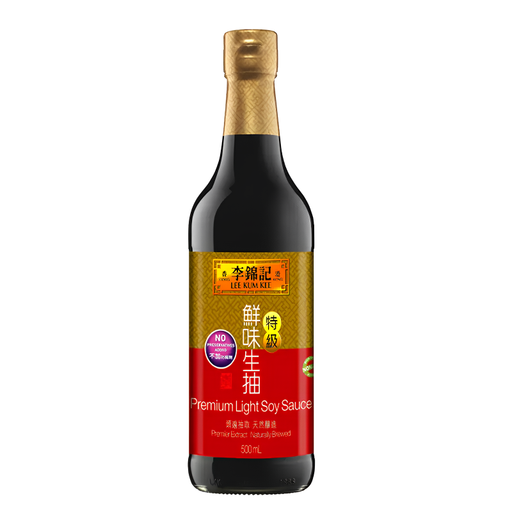
Why it fits this profile: A versatile staple for home cooks who want one soy sauce for marinades, dips and everyday stir-fries.
The product description lists the basic ingredients and uses. This means you can compare the sauce based on its composition rather than just the packaging text.
500 ml bottle, brewed with soya beans and wheat according to the product information, with clear allergen labelling.
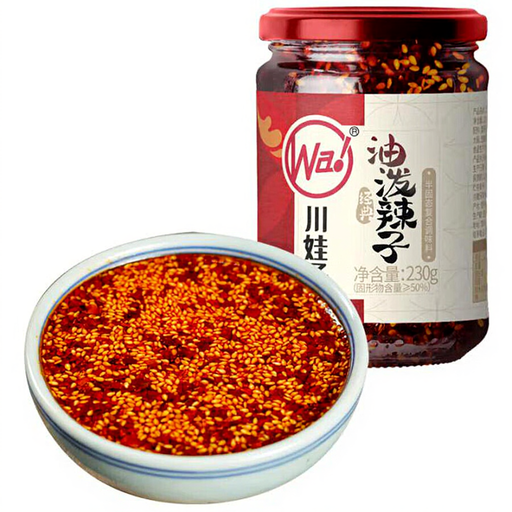
Why it fits this profile: According to the product description, this chilli oil combines chilli, sesame, peanut and Sichuan pepper for use with noodles, dumplings, salads and stir-fries.
The ingredients make it clear that this is an oil-based seasoning, not a standard chilli sauce. Use small amounts to season your dish in a controlled way.
230 g pack and multiple uses. Contains peanuts and sesame; therefore, check the allergen information carefully.
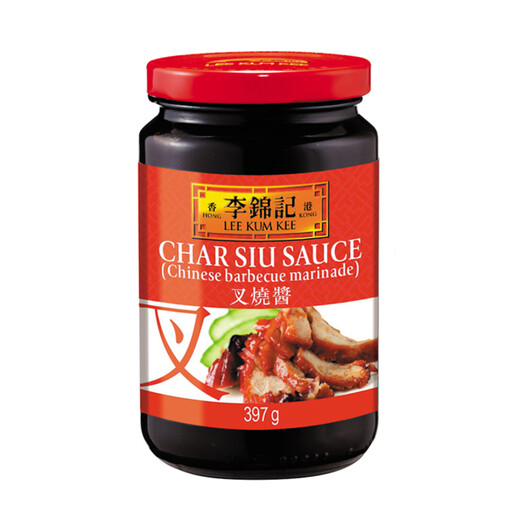
Why it fits this profile: According to the product description, this ready-to-use sauce is intended as a marinade and glaze for char siu cooked in an oven, air fryer, grill or pan.
The packaging is focused on one clear purpose: marinating and glazing. That means you don’t have to mix sugar, soy sauce and spices in the right proportions yourself.
397 g pack and suitable for multiple cooking methods. Contains soya and wheat according to the ingredients list, and has a high sugar and salt content per 100 g.
We’ve put together a full, up-to-date list of products that fully meet these strict selection criteria and comply with current European safety regulations.
For dumplings, you can choose a dipping sauce, garlic chilli sauce, chilli oil or a combination of light soy sauce with rice vinegar. Start with a small amount of chilli oil and add extra vinegar or sesame oil if you like.
Soy sauce is usually thinner and is mainly used for saltiness and umami. Oyster sauce is generally thicker and, according to the product data, contains oyster extract or oyster ingredients. This sauce is often used in stir-fries, marinades and sauces. If you have allergies, always check for soya, wheat and molluscs.
This varies by product. Store sauces according to the label, close the packaging tightly and put products that require it in the fridge. Look out for changes in smell, colour, mould and texture. When in doubt, don’t use the sauce.
