
Vandaag of morgen in huis

Kwaliteit gegarandeerd

Welkomstaanbiedingen ontgrendelen: GRATIS bezorging | Tot 80% korting | Gratis 30 dagen JoyPlus-proefperiode
Download de app
A bottle of Chinese soy sauce, a jar of chilli sauce or a sachet of hotpot soup base can seem like an easy purchase. Yet the flavour, salt content, packaging and usage can vary considerably from one product to the next. If you rely solely on a well-known brand name or a flashy label, you could end up with a sauce that is too sweet, too salty or simply unsuitable for the dish you have in mind.
This guide will help you compare Chinese sauces and seasonings based on verifiable information. That way, you can make a more informed choice for stir-fries, noodles, marinades, dipping sauces and hotpot.
Chilli sauce can be sweet and mild, but also oily and fiery. A sweet chilli sauce often contains a relatively high amount of sugar. According to the product information, Inproba Sweet Chilli Sauce, for example, contains 42 grams of sugar per 100 grams and 7.4% chilli pepper. This makes it suitable as a dip or marinade, but less obvious if you are looking for intense heat.
With garlic chilli sauce too, it is important to check the ingredients. Lee Kum Kee Minced Garlic Sauce contains 25% garlic according to the label, while Tantanxiang Chao Tian Chili Sauce includes Chaotian chilli, fermented soya beans and garlic. The flavour profile is therefore not the same.
Light soy sauce is typically used for seasoning, marinating, dipping and stir-frying. Dark soy sauce is mainly intended to add colour and depth to braised dishes, marinades and stewed meats. Dark sauce is not simply a stronger version of light sauce.
Also pay attention to the salt content. According to the product information, Lee Kum Kee Premium Light Soy Sauce contains 18 grams of salt per 100 ml, while Haday Superior Light Soy Sauce has 14.3 grams per 100 ml. So use small amounts and taste before adding extra salt.
A 750 ml bottle might be appealing if you stir-fry often, but not if you only use the sauce occasionally. Check the storage instructions after opening. Many sauces need to be refrigerated, such as oyster sauce, hoisin sauce and various garlic chilli sauces. A container that sits open in the kitchen cupboard for months isn’t right for every household.
First, match the sauce to the dish:
Always check the label if you have an allergy or intolerance. Many Chinese sauces contain soya and wheat. Hoisin sauce may also contain sesame. According to the product information, Lee Kum Kee Panda Oyster Sauce contains oyster extract and therefore falls under molluscs.
Flavour enhancers, sugar and preservatives can also be part of the recipe. That doesn’t automatically make a product unsuitable, but it does help you compare different options fairly.
A ready-to-use sauce is convenient for quick cooking, whereas a concentrated hotpot base often needs to be diluted with water. According to the usage instructions, Haidilao Hotpot Seasoning – Hot and Sour Flavour 125g is intended for 500 to 600 ml of water. The Haidilao Hot Pot Soup Base – Broth Flavor 110g is prepared with approximately 1,200 ml of water, according to the product information.
For smaller households, look for portion packs. Individual portions reduce waste and make dosing easier. With larger packs, the price per 100 grams or millilitres is more attractive if you use the sauce regularly.
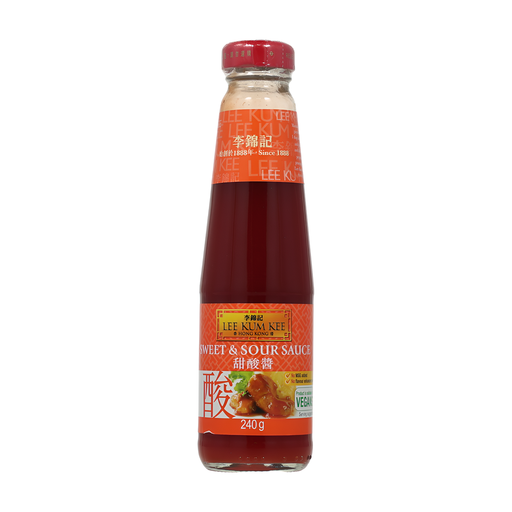
Why it fits this profile: This ready-to-use sweet and sour sauce is simple to use for cooking, dipping and glazing. That makes it practical for beginners who want to get started without lots of separate ingredients.
The flavour and preparation method are clearly described. You don’t need to measure out separate vinegar, sugar and thickener.
240 grams, ready to use straight away and suitable for cooking, dipping and glazing. Contains soya and wheat.
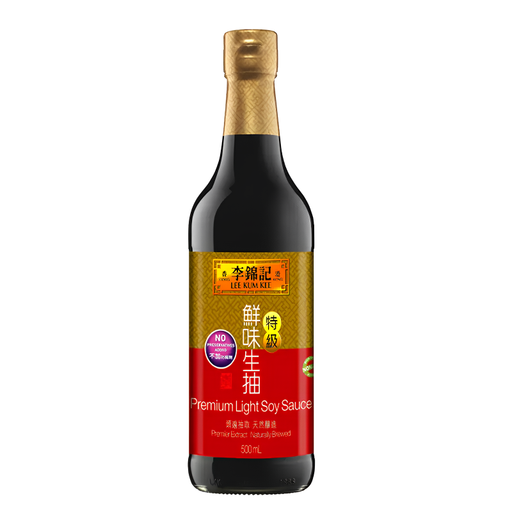
Why it fits this profile: A versatile light soy sauce for dipping, marinating and everyday cooking. The product specification mentions fermentation with soya beans and wheat.
Its function is clear: light soy sauce for flavour and salt, not primarily for a dark colour. This makes dosing per dish more straightforward.
500 ml content and multiple uses. According to the product information, the sauce contains 18 grams of salt per 100 ml; use sparingly.
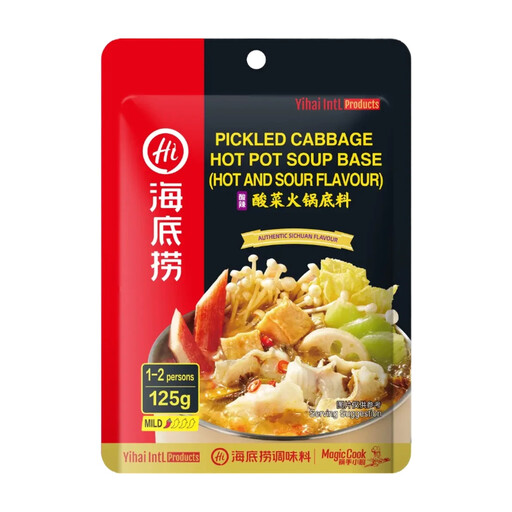
Why it fits this profile: For lovers of hotpot, sour broth, fish and noodles. According to the product information, the portion is intended for 500 to 600 ml of water.
The portion pack helps limit waste and over-dosing. The preparation instructions clearly state how much water is needed.
Individual 125 gram portion and suitable as a hotpot base or for fish and noodles. According to the nutritional information, the product contains 11.2 grams of salt per 100 grams.
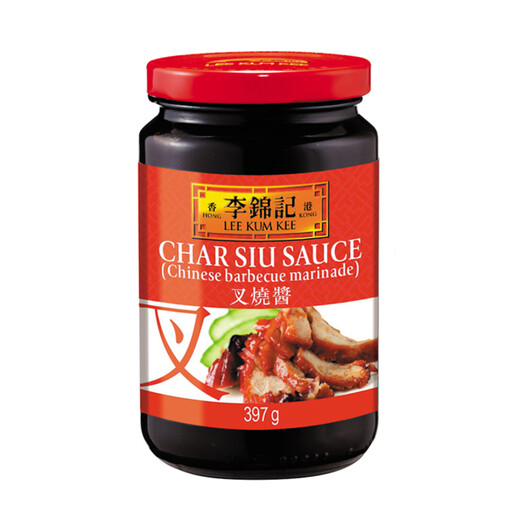
Why it fits this profile: According to the product information, this sauce is intended as a marinade and glaze for meat from the oven, air fryer, pan or grill.
The recommended amount for 500 grams of meat is stated: 70 to 100 grams of sauce. This gives a practical starting point for dosing.
397 grams content and suitable for marinating and basting. According to the ingredients list, it contains soya and wheat.
We have put together a full, up-to-date list of products that fully meet these strict selection criteria and comply with current European safety regulations.
Light soy sauce is mainly intended for seasoning, dipping, marinating and stir-frying. Dark soy sauce adds more colour and a deeper, often slightly sweeter flavour to braised dishes and marinades. Use dark soy sauce sparingly, as the colour can quickly dominate.
Always follow the label. Many products need to be refrigerated after opening, including oyster sauce and various chilli sauces. Seal the container tightly and check the shelf life information. A sauce with an unusual smell, colour or texture is best discarded.
Light soy sauce is a versatile base for stir-fries, noodles and marinades. For less preparation, you can choose a ready-to-use sweet and sour sauce, hoisin sauce or char siu sauce. If you eat hotpot regularly, a concentrated hotpot soup base is more useful than a regular table sauce.
