
Vandaag of morgen in huis

Kwaliteit gegarandeerd

Welkomstaanbiedingen ontgrendelen: GRATIS bezorging | Tot 80% korting | Gratis 30 dagen JoyPlus-proefperiode
Download de app
Chinese sauces add instant flavour to rice, noodles, vegetables, meat and fish. But not every bottle is right for every dish. A sweet sauce can overpower delicate fish, while a heavily salted soy sauce can throw a stir-fry out of balance. Packaging, allergens and shelf life also determine whether a purchase is practical in everyday use.
This guide helps you compare Chinese sauces based on use, ingredients, nutritional values, packaging and size. That way, you can make a more informed choice between oyster sauce, fish sauce for steamed fish, soy sauce for fish, seafood sauce and other sauces for Chinese dishes.
Terms like “seafood sauce”, “wok sauce” or “Chinese cooking sauce” can cover a range of uses. Always check the specific usage instructions. A sauce may be intended for marinating and stir-frying, but less suitable as a cold Asian dipping sauce.
For steamed fish, ready-to-use sauces are often more practical. You simply heat a small amount and pour it over the cooked fish. For wok and stir-fry dishes, thicker sauces are handy because they cling better to vegetables, meat or noodles.
Compare the nutritional information per 100 grams or 100 millilitres. Values vary widely across the range. For example, the Haday Seafood Sauce contains 5.0 grams of salt and 37 grams of sugars per 100 grams. The Lee Kum Kee Steam Fish Soy Sauce lists 12.75 grams of salt per 100 millilitres. These are not figures to ignore if you use sauce regularly.
Use a concentrated sauce in small amounts and taste before adding extra salt. A product with a lower salt content per 100 millilitres is not automatically mild in flavour; the total amount on your plate is what counts.
A 245 or 255 gram pack is handy if you want to try a sauce first. For a large household, catering or regular stir-frying, a 720 gram, 907 gram or 2.27 kilogram bottle can be more cost-effective per use. Just bear in mind your fridge space and the shelf life after opening.
Many Chinese sauces contain soya, wheat or gluten. Oyster sauce and some seafood sauces may also contain molluscs. For example, the Haday Superior Taste Oyster Sauce 245g lists soya, wheat and oyster as allergens. The Lee Kum Kee Seafood Sauce 6x2.27 kg lists soya, wheat and fish.
Always read the current packaging and ingredients list, especially if you have an allergy or food intolerance. The product name alone does not provide enough information.
A squeezy bottle, as found with some oyster sauces, makes small doses easier and reduces mess. With large jars or bottles, a clean spoon is important to prevent contamination.
Many products need to be refrigerated after opening. The exact period varies by product and packaging. Several Haday products state a limited usage period after opening; always check the label rather than relying solely on the best-before date before opening.
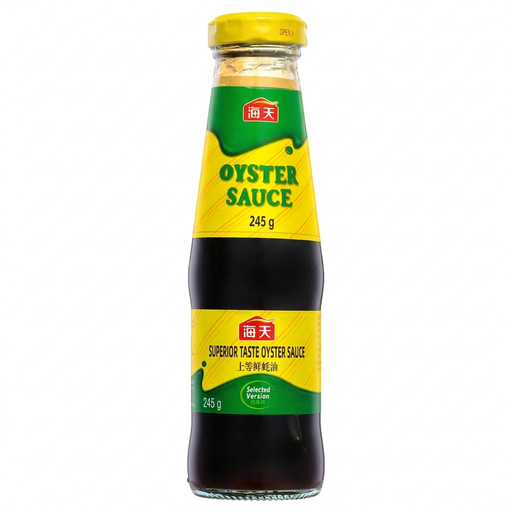
Why this fits the profile: The compact size is ideal for trying oyster sauce for the first time in stir-fries, marinades or as a table condiment.
The ingredients list shows 1% oyster extract and the nutritional information gives 9.50 grams of salt per 100 grams. This allows you to assess the flavour and composition in advance.
245 grams, ready to use and suitable for stir-frying, marinating and dipping. Contains soya, wheat and molluscs.
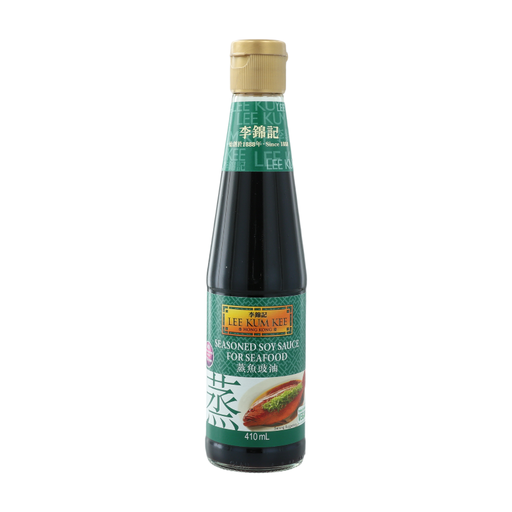
Why this fits the profile: This ready-to-use soy sauce for fish is designed for steamed fish and seafood, so you don’t need to mix your own blend first.
The application is clearly described: heat and pour over steamed fish. This prevents you from using a heavy wok sauce on a delicate dish.
410 millilitres, ready to use and suitable for fish and seafood according to the product information. Contains soya, wheat and gluten.
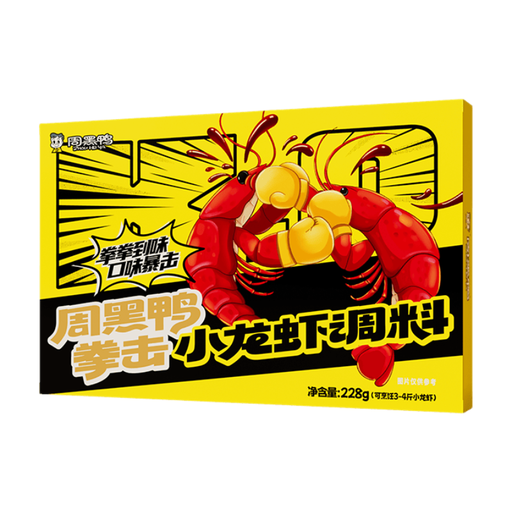
Why this fits the profile: Designed for crayfish and larger preparations where a complete spice and sauce base is desired.
The instructions mention a preparation for 1.5 to 2 kilograms of crayfish. This gives you a better idea of how much food one pack can provide sauce for.
228 grams, suitable for crayfish and, according to the usage instructions, also usable with noodles or vegetables. Contains soya and wheat.
We’ve put together a full, up-to-date list of products that fully meet these strict selection criteria and comply with current European safety regulations.
Choose a specific soy sauce for fish or fish sauce for steamed fish with clear heating instructions. Lee Kum Kee Steam Fish Soy Sauce, Liu Yue Xian Less Salt Matsutake Soy Sauce for Seafood and Chu Bang Seasoned Soy Sauce for Seafood are intended for this purpose according to their product information. Add the sauce only after steaming and start with a small amount.
Oyster sauce typically contains oyster extract and has a savoury, slightly sweet flavour. Seafood sauce is a broader product category; the composition and application vary by brand. Always check the percentage of oyster extract, the ingredients list and whether the sauce is intended for stir-frying, marinating, dipping or glazing.
This varies by product. Many sauces need to be stored in the fridge after opening. Check the packaging for the recommended period and use a clean spoon or dispensing cap. Large packs are only practical if you use the sauce regularly; otherwise, a smaller bottle can help reduce waste.
