
Vandaag of morgen in huis

Kwaliteit gegarandeerd

Welkomstaanbiedingen ontgrendelen: GRATIS bezorging | Tot 80% korting | Gratis 30 dagen JoyPlus-proefperiode
Download de app
Chinese sauces add instant flavour to noodles, vegetables, meat, tofu and dumplings. Yet it’s easy to pick up the wrong bottle. A stir-fry sauce, oyster sauce or hoisin sauce might seem suitable for several dishes, but the taste, allergens and usage instructions can vary significantly.
As a Joybuy Product Recommendation Officer, I focus on verifiable information: ingredients, nutritional values, packaging, serving size and intended use. That way, you avoid ending up with a sauce that sits unused in the fridge.
Labels often state that a sauce is suitable for stir-frying, marinating, grilling and dipping. That can be handy, but you should also check the flavour profile. A sweet char siu sauce works well with glazed pork, whereas a spicy Sichuan sauce is more suited to mapo tofu or fiery stir-fries.
A sauce with a distinctly sweet profile isn’t automatically a good all-purpose stir-fry sauce. So taste a small amount first, or dilute the sauce with water, stock, rice vinegar or sesame oil.
A mushroom-based sauce can be an alternative to oyster sauce, but always check the ingredients list. Look out for terms such as oyster extract, fish, fish sauce, milk derivatives and egg. Also check for soya and wheat if you’re cooking for someone with an allergy or gluten intolerance.
The LEE KUM KEE Mushroom Vegetarian Stir Fry Sauce is described as being made with mushrooms and labelled as suitable for vegetarians and vegans. However, the ingredients list does include soya and wheat. “Vegan” therefore doesn’t automatically mean gluten-free.
For a family or a professional kitchen, a 907g or 2.27kg pack can be convenient. But if you only use a sauce occasionally, a smaller jar may be more practical. Many Chinese sauces need to be refrigerated after opening. Also check the best-before date and the period within which the product should be used according to the packaging.
First, look at the allergen information. Many Chinese sauces contain soya, wheat or sesame. Oyster sauce also contains molluscs. For example, Lee Kum Kee Panda Oyster Sauce lists 3% oyster extract alongside wheat. This makes it unsuitable for vegans and anyone with a mollusc allergy.
With a black bean sauce, it’s important to know that “black bean” in Chinese sauces often refers to fermented black soya beans. The LEE KUM KEE Spicy Black Bean Sauce lists fermented soya beans as a key ingredient.
Chinese sauces are flavour enhancers, not neutral base ingredients. So compare the nutritional values per 100g. The Lee Kum Kee Panda Oyster Sauce 255g, for instance, lists 29.5g of salt per 100g. That’s a good reason to use this sauce sparingly and not add extra salt to your dish.
Sweet sauces can also be high in sugar. With hoisin sauce, char siu sauce and sweet and sour sauce, sugar often appears high on the ingredients list. Use a sweet sauce as a glaze or marinade and pair it with fresh vegetables, rice or noodles without adding extra sugar.
Choose a pack size based on how often you cook:
Also note the difference between a ready-to-use sauce and a seasoning mix that still needs preparation. The Haidilao Ma Po Tofu Sauce 80g must first be heated with tofu and water according to the product instructions. So it’s not a dipping sauce you serve straight from the packet.
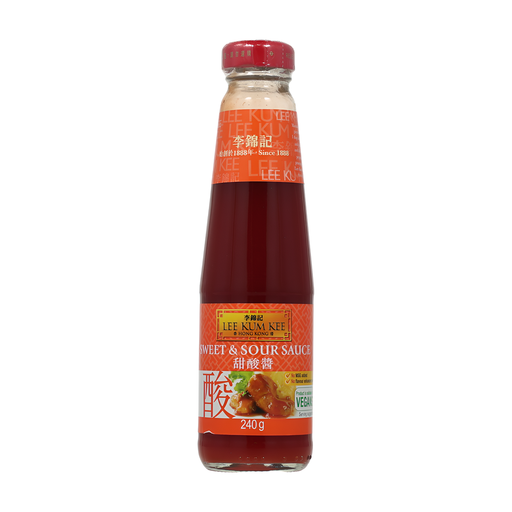
Why this fits the profile: A compact pack for anyone wanting to try sweet and sour sauce with spring rolls, vegetables or a quick stir-fry.
The product information clearly states the sauce is intended for cooking, dipping and glazing. The 240g size reduces the risk of waste.
Ready-to-use; 15% tomato purée and 3% pineapple juice concentrate are listed in the product information.
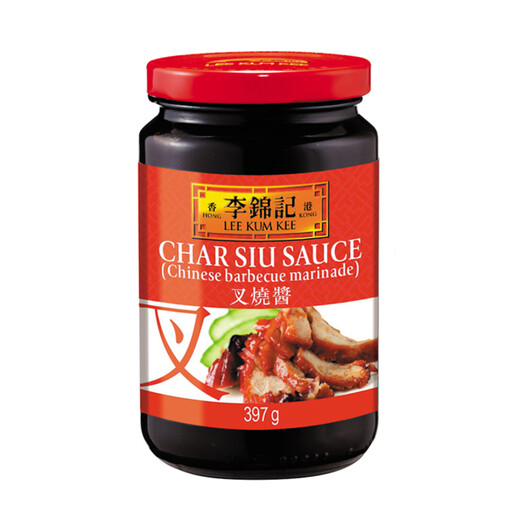
Why this fits the profile: Aimed at home cooks who want to prepare char siu, glazed meat or grilled chicken with a specific Cantonese sauce.
The intended use is specific: marinating and glazing. The product instructions recommend 70–100g of sauce per 500g of pork.
397g; suitable for oven, air fryer, grill and pan according to the product description.
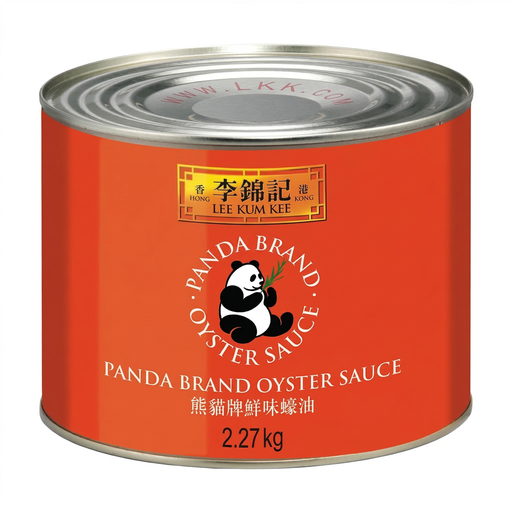
Why this fits the profile: The large pack suits professional kitchens, heavy users and households that frequently stir-fry, braise or marinate.
The volume is designed for regular use, so you won’t need multiple small bottles as often. Refrigeration after opening is still essential.
2.27kg; suitable for stir-frying, braising, marinating and dipping according to the product information.
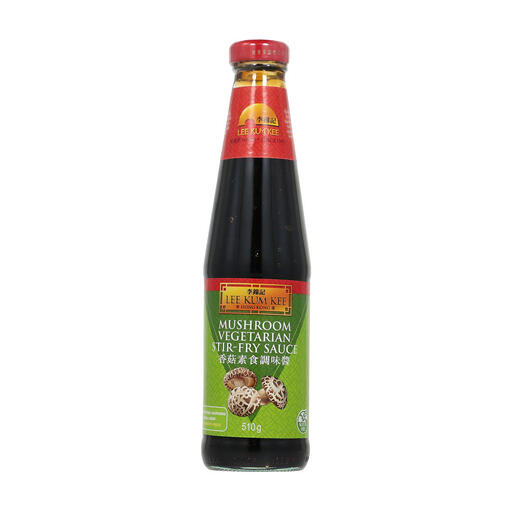
Why this fits the profile: A plant-based alternative to an oyster-flavoured sauce, ideal for tofu, vegetables, noodles and stir-fry dishes.
The product description states it is vegetarian and vegan. If you have allergies, still check the current packaging: soya and wheat are listed.
510g; suitable for stir-frying, braising, dipping and dishes with tofu or vegetables.
Store unopened sauces according to the label in a cool, dry place away from direct sunlight. Put opened bottles and jars in the fridge when the packaging says so. Always use a clean spoon to prevent cross-contamination and loss of quality.
Add oyster sauce, black bean sauce or stir-fry sauce towards the end of cooking. That way the flavour stays distinct and you avoid sugar caramelising too quickly on the pan base. Do not reuse a marinade that has been in contact with raw meat as a dipping sauce without heating it through first.
We’ve put together a full, up-to-date list of products that fully meet these strict selection criteria and current European safety regulations.
For dumplings, you can use a ready-made dipping sauce, hoisin sauce or a combination of soy sauce with rice vinegar. A sweet sauce works well with fried dumplings; a spicy Sichuan sauce is suitable if you want more heat and chilli. Always check the salt content before adding extra soy sauce.
A vegetarian Chinese sauce made with mushrooms is a practical choice. The LEE KUM KEE Mushroom Vegetarian Stir Fry Sauce is intended for vegetables, tofu and noodles according to the product information. Do check whether you need a vegan product and look out for soya and wheat.
This varies by product. Many sauces need to be refrigerated after opening. Check the label for the best-before date and any usage period after opening. Smell, colour, texture and a bulging pack can be signs that the product should no longer be used, but if in doubt, follow the manufacturer’s information.
