
Vandaag of morgen in huis

Kwaliteit gegarandeerd

Welkomstaanbiedingen ontgrendelen: GRATIS bezorging | Tot 80% korting | Gratis 30 dagen JoyPlus-proefperiode
Download de app
You're about to cook that authentic Chinese meal. The recipe is clear, the ingredients are fresh, but then you get to the sauce. The selection in an online Asian supermarket can be overwhelming. Which bottle do you really need? As a Product Recommendation Officer at Joybuy, I often see where things go wrong. Before you fill your shopping cart, let's first discuss a few common pitfalls.
To choose the right Chinese sauces that will elevate your dishes, it's helpful to pay attention to a few key points. This ensures you bring home authentic flavor enhancers that match your cooking style.
The backbone of many Chinese cooking sauces is formed by soy sauce and vinegar. But not every variety is the same.
A sauce is often developed for a specific application. A stir-fry sauce is formulated so that its flavors are released quickly at high temperatures. A marinade contains acids or enzymes to tenderize meat. A dipping sauce is ready to use and perfectly balanced in terms of salt, sweet, and sour. So, look closely at the recommended use on the bottle to avoid disappointment.
A short, clear ingredient list is often a good sign. Pay attention to the following:
To get you started, we have selected a few sauces that suit different cooking styles and needs.
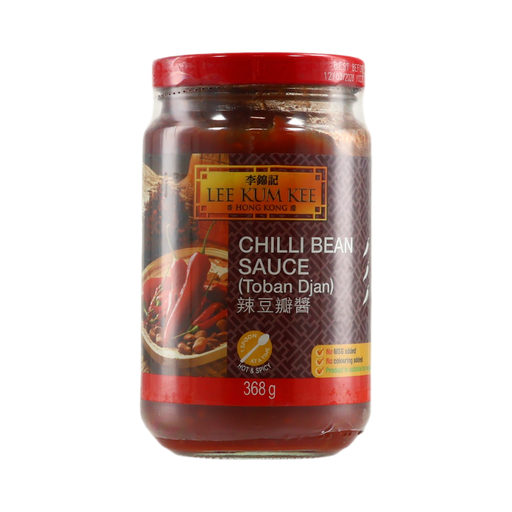
Why This Fits Their Persona: This is a foundational flavor in Sichuan cuisine. Perfect for those who want to start with classics like Mapo Tofu or simply seek a spicy, savory depth for a simple stir-fry. It's a versatile base that immediately introduces you to an authentic taste.
This is not a generic chili sauce, but a specific fermented bean paste (doubanjiang). The flavor is complex and savory, not just hot, and avoids the pitfall of a one-dimensional, overly sweet sauce.
Made by Lee Kum Kee, a reputable brand. The sauce is based on a traditional fermentation process, which ensures a deep umami flavor.
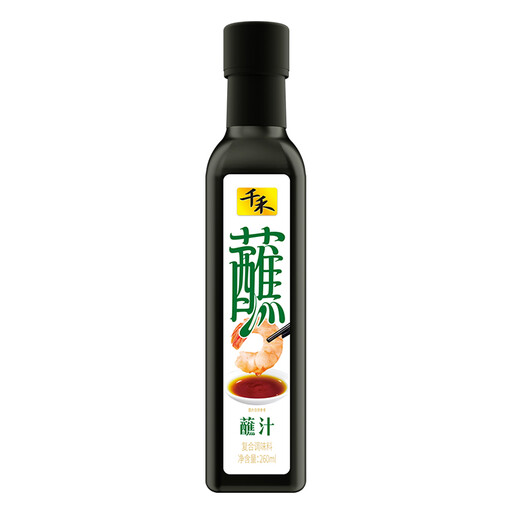
Why This Fits Their Persona: For those who make dumplings, buns, or steamed chicken at home, a good dipping sauce is essential. This sauce is specially formulated for this purpose, with a perfect balance of salty, sweet, sour, and umami. No fussing with mixing your own.
This is a specific dipping sauce for dumplings, not a generic soy sauce. It prevents the mistake of using a sauce that is too salty or too simple, which can overpower the flavor of the filling.
The base is a mix of brewed soy sauce and vinegar, enriched with apple and lemon juice concentrate for a fresh, fruity note. According to the manufacturer Qian He, the sauce is free from added preservatives.
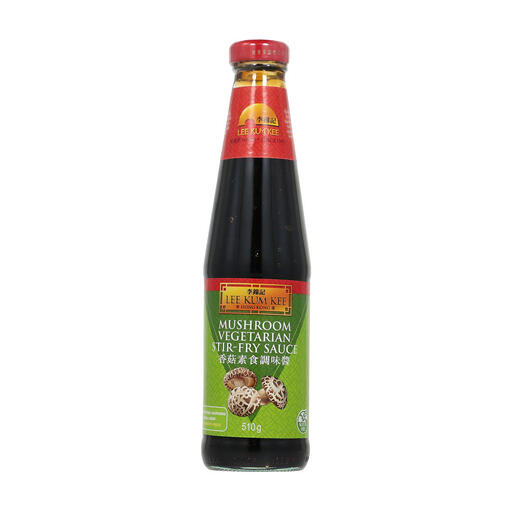
Why This Fits Their Persona: Oyster sauce is a common flavor enhancer, but it's not suitable for vegetarians. This mushroom-based vegetarian oyster sauce offers the same deep umami flavor and texture, so you don't have to compromise on your favorite stir-fries or marinades.
This product solves a specific problem: replacing an animal product without sacrificing flavor. It avoids the pitfall of simply omitting oyster sauce, which leads to a flat-tasting dish.
Made with mushroom extract for a rich, savory flavor. Suitable for vegetarians and vegans. Versatile for stir-frying, braising, dipping, and marinating.
We have compiled a complete, up-to-date list of products that fully meet these strict selection criteria and current regulations.
Light soy sauce is thinner, saltier, and used for flavor. Dark soy sauce is thicker, less salty, and slightly sweet; it is mainly used to give dishes a deep, dark color. For most daily stir-fries and as a dipping sauce, light soy sauce is the standard choice.
Most sauces, especially those based on soy, vinegar, or fermentation, have a long shelf life in the refrigerator after opening. Always check the label for specific storage instructions. As a general rule, keep them tightly sealed and refrigerated to preserve flavor and quality.
A good starter kit for the Chinese kitchen includes a few essential flavor enhancers. Consider:
With this foundation, you can already prepare a large number of authentic dishes.
