
Vandaag of morgen in huis

Kwaliteit gegarandeerd

Welkomstaanbiedingen ontgrendelen: GRATIS bezorging | Tot 80% korting | Gratis 30 dagen JoyPlus-proefperiode
Download de app
Buying a bottle of Chinese sauce sounds simple enough, until you are standing in front of a shelf full of soy sauce, hoisin sauce, oyster sauce and all kinds of ready-made stir-fry sauces. One sauce may be mainly salty, while another is predominantly sweet. Some varieties are ideal for marinades but less suitable as dipping sauces. Allergens and salt content may also be important considerations.
This guide explains which features to check and which sauce best suits your cooking style.
Light soy sauce is generally intended for seasoning dishes, marinating or serving as a dipping sauce. Dark soy sauce usually has a deeper colour, a mildly sweet flavour and is mainly used to add colour and extra depth to stews, marinades and fried meat.
Dark soy sauce is not automatically a substitute for light soy sauce. If you use too much, a dish can quickly become too dark or too sweet.
Hoisin sauce, char siu sauce and spare ribs sauce often contain relatively high levels of sugar. This makes them suitable as glazes or marinades, but less suitable as neutral base sauces for every stir-fry. That is why you should check the nutritional information per 100 grams or 100 millilitres.
Examples from the product information:
Use sauces like these in moderation and do not automatically add extra salt or soy sauce.
Many Chinese sauces contain soya and wheat, while some also contain sesame, fish or molluscs. This applies, for example, to various types of soy sauce, hoisin sauce and oyster sauce. Always read the label, particularly when cooking for someone with an allergy.
Also pay attention to storage. Many products can be kept at room temperature unopened but must be refrigerated after opening. The instructions on the packaging should always be followed.
Use this practical guide:
A specialised sauce is not necessarily suitable for every dish. A sauce for steamed fish, for example, is designed to provide a light, savoury finish and works differently from a sweet marinade.
Nutritional values on labels are usually given per 100 grams or 100 millilitres. This makes comparisons easier. In addition to calories, pay particular attention to salt and sugar.
A sauce that is high in salt does not necessarily have to be avoided. You can combine it with vegetables, noodles, rice or unseasoned proteins. Add it gradually, though. With a sweet sauce, it is sensible to keep an eye on it while cooking: sugar can darken quickly at high temperatures.
The ingredients list shows whether a product contains ingredients such as fermented soya, vinegar, chilli, garlic, sesame or oyster extract. Lee Kum Kee Panda Oyster Sauce lists 3% oyster extract. This is relevant both to your choice of flavour and to people who avoid molluscs.
Brand claims about authenticity, quality or traditional preparation are marketing information. Focus primarily on the details that can be checked: contents, ingredients, nutritional values, allergens, usage advice and storage.
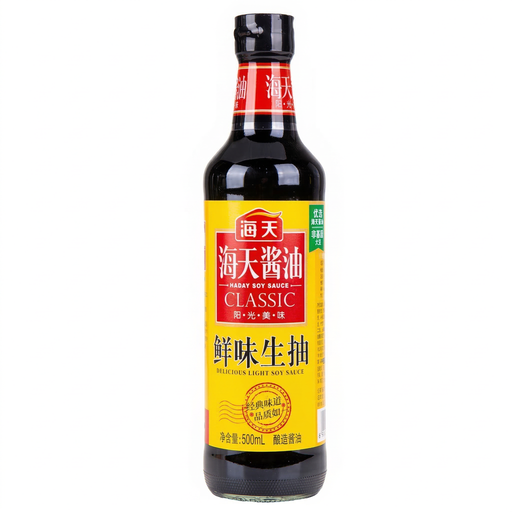
Why it suits this profile: A bottle of light soy sauce is useful for stir-fries, cold salads, marinades and dipping. It gives you a versatile starting point without having to buy several specialised sauces at once.
The product information lists several uses and clearly identifies soya and wheat as allergens. This lets you check in advance whether the base sauce is suitable for your kitchen.
500 ml contents; suitable for cooking, stir-frying, marinating and dipping; salt content of 14.3 g per 100 ml according to the product information.
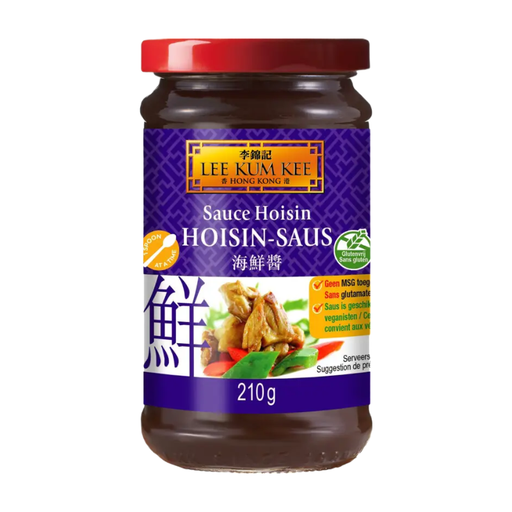
Why it suits this profile: This thick Cantonese sauce is ideal for anyone who enjoys a sweet and savoury flavour with dim sum, roast meat, stir-fries and marinades.
The contents and suggested uses are clearly described. With 45 g of sugar per 100 g stated on the label, you know that measured use is more important than adding it freely.
Ready to use; suitable as a marinade, dip and stir-fry sauce; contains soya and sesame as stated allergens.
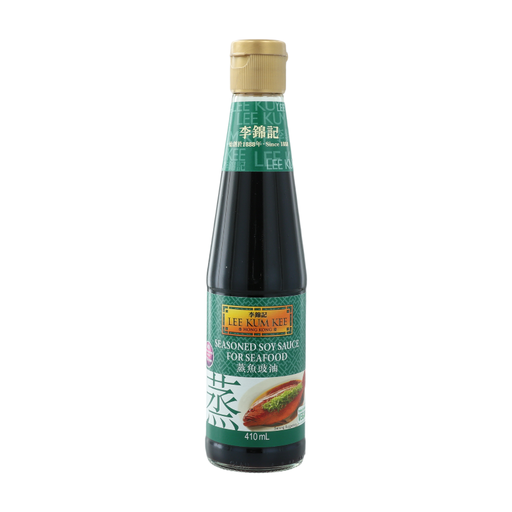
Why it suits this profile: Designed for steamed fish and seafood. According to the usage information, the sauce can be heated and then poured over the fish.
You avoid using a sweet grilling or char siu sauce with delicate fish. The product category and preparation advice are specifically tailored to seafood.
410 ml contents; ready to use; suitable for fish, prawns and shellfish; contains soya and wheat.
For meat cooked in the oven, air fryer or on the grill, Lee Kum Kee Char Siu Sauce and Lee Kum Kee Spare Ribs Sauce are practical options. According to the product information, the char siu sauce is intended as a marinade and glaze. The spare ribs sauce can be used for marinating, stewing and glazing during the final 10 to 15 minutes of cooking.
If you are looking for a rich, savoury flavour, consider Lee Kum Kee Panda Oyster Sauce. According to the label, this oyster sauce contains 3% oyster extract and is intended for stir-frying, marinating and dipping. If you have a mollusc allergy, always check the ingredients list.
For cold seafood salads, RISHI Sichuan Peppercorn & Small Seafood-Flavored Dipping Sauce is a targeted choice. According to the product description, the sauce is ready to use, does not need to be heated and one 205-gram pouch is intended for approximately 1 kilogram of ingredients. The product contains soya and wheat and lists lemon and Sichuan peppercorn oil among its ingredients.
A Sichuan dipping sauce containing chilli, fermented black beans and Pixian bean paste, such as Juan Cheng Dipping Sauce, is better suited to noodles, rice and spicy snacks. Here too, measured use is important: the product information states that it contains 2298 mg of sodium per 100 grams.
We have put together a complete, up-to-date list of products that fully meet these strict selection criteria and the applicable European safety regulations.
Light soy sauce is generally thinner and intended for seasoning, stir-frying, marinating and dipping. Dark soy sauce mainly adds colour and a deeper, mildly sweet flavour to stews and marinades. Use dark soy sauce sparingly to prevent excessive colouring and an overly sweet taste.
Choose a sauce specifically developed for fish or seafood, such as Lee Kum Kee Steam Fish Soy Sauce or Qianhe Steamed Fish Soy Sauce. Heat the sauce according to the product instructions and pour it over the cooked fish. Pay attention to the salt content and only add extra salt or soy sauce afterwards.
This varies from product to product. Many labels state that the sauce should be refrigerated after opening. Seal the bottle or pouch properly and follow the storage instructions on the packaging. If in doubt, also check the shelf-life information for the specific product.
