
Vandaag of morgen in huis

Kwaliteit gegarandeerd

Welkomstaanbiedingen ontgrendelen: GRATIS bezorging | Tot 80% korting | Gratis 30 dagen JoyPlus-proefperiode
Download de app
Chinese red dates, also known as jujube dates, are available as soft dried fruits, crispy dates, dates with black sesame, and sweet dried fruits with added sugar. This wide range makes comparing them tricky. A packet labelled “natural”, “traditional” or “healthy” doesn’t always tell you exactly what you’re buying.
So pay close attention to the ingredients, nutritional values, stones (pits) and packaging format. That way, you can avoid ending up with a date snack that’s too sweet, too hard or awkwardly packaged for your needs.
Dried fruits contain less water than fresh fruit. As a result, carbohydrates and sugars per 100g are often relatively concentrated. For example, Changsi Dried Red Dates lists 56g of sugar per 100g. Hao Xiang Ni Ready-to-Eat Red Dates, on the other hand, has 28.7g per 100g according to the product information.
So don’t just look at the claims on the front of the pack. Check the nutritional information table and the ingredients list. Added sugar, maltose, honey or sugar syrup can make the flavour sweeter, but they also change the product type from a simple dried fruit into a processed snack.
Crispy dates aren’t always simply dried. Haoxiangni Crispy Red Dates, for instance, lists winter jujube (80%) and palm oil (20%). The preparation method can give a light, airy bite, but the product therefore has a different nutritional profile to soft, unsweetened jujube dates.
If you want a date snack for tea or as an ingredient in porridge and desserts, soft dried red dates are often a better fit. If you’re after a crunchy snack for on the go, a crispy variety might make more sense.
Some product titles and descriptions use terms like dates without stones or “pitted”, while another line on the packaging may give conflicting information. For example, the product information for Hao Xiang Ni Ready-to-Eat Red Dates mentions both “whole pitted dates” and “Red Dates with Pits”.
If in doubt, check the actual packaging and always look out for any remaining stone fragments when eating. Products that have been mechanically pitted sometimes state this explicitly. This is especially important if you’re giving the dates to children or chopping them into pieces.
Look at the ingredients in order of quantity. A product containing only jujube is different from a mix with sugar, maltose, oil, sesame or nuts. For dates with black sesame, sesame and sometimes walnuts are key allergens. Haoxiangni Red Date Black Sesame Balls contains, according to the product information, black sesame, red dates, maltitol, malt syrup, walnut kernels and white sesame.
Always check the allergens section. This matters if you have a nut or sesame allergy, but also when you’re sharing snacks at the office or when entertaining.
Choose based on when you want to eat the snack:
Don’t just compare the price per bag, but also the price per 100g. A small pack of 35g or 63g is easy to take with you, while a bag of 400g, 500g or 900g may be better for stocking up.
Also pay attention to the energy and fat values. The black sesame balls (153g) list 471 kcal and 24g of fat per 100g. Changsi Dried Red Dates lists 306 kcal and 0.6g of fat per 100g. This difference is partly due to the added sesame, nuts and syrup. Neither is automatically suitable for every situation; it depends on your taste and when you plan to eat it.
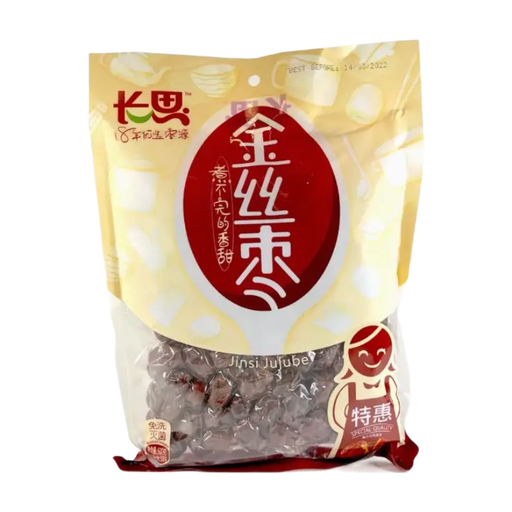
Why this fits the profile: A large format with, according to the product information, only golden jujube as an ingredient. Suitable for eating straight away or using in tea, breakfast and desserts.
The ingredients list is clear and mentions no added colourings or preservatives. Do check the actual packaging though.
500g, 0.6g of fat per 100g and suitable for both snacking and cooking or baking.

Why this fits the profile: For lovers of a compact snack with black sesame, walnut and red date. The bag contains, according to the product title, 18 to 22 individually wrapped portions.
The ingredients and allergens are clearly specified. This makes it obvious that this isn’t a simple date without additions.
Individual packaging, 11.3g of protein per 100g and a combination of black sesame, red date and walnut.
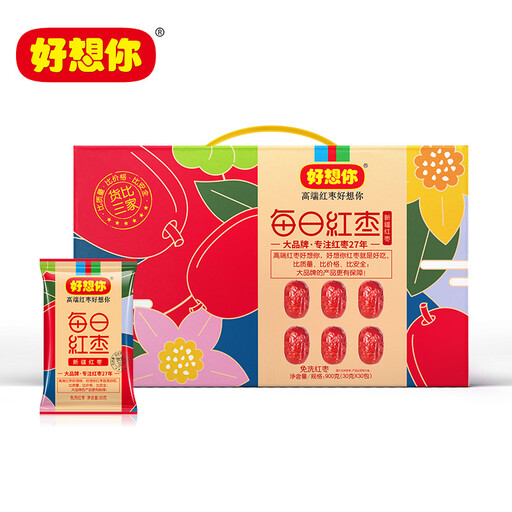
Why this fits the profile: The format of 30 sachets of 30g each suits regular use, for example in tea, porridge, desserts or taking to work.
The portions are pre-divided, but because of the conflicting stone information, always check the actual packaging before use.
900g total weight, individual sachets and, according to the product information, no added preservatives.
We’ve put together a full, up-to-date list of products that fully meet these strict selection criteria and comply with current European safety regulations.
Soft dried red dates can be chopped into small pieces and mixed into porridge, rice pudding or yoghurt. In tea, they add a sweet fruity flavour; just make sure the stone has been removed before slicing them.
For baking, jujube dates work well in biscuits, bread, energy bars and desserts. Crispy varieties can be crumbled as a topping. Dates with black sesame are better suited to a snack moment than to recipes where you need a neutral date base.
Store opened products according to the packaging advice, usually in a cool, dry place and tightly sealed. This limits moisture absorption and helps the texture last longer.
Yes. Jujube is the botanical and international name for the red date widely used in Chinese snacks and traditional dishes. The texture can vary from soft and chewy to dry and crispy.
The shelf life varies by product. The relevant date is on the packaging. After opening, product descriptions generally recommend storing in a cool, dry place and consuming quickly. Seal an opened bag tightly.
That depends on the ingredients and your diet. A product with only jujube has a different ingredients list to a date snack with sugar, oil, sesame or nuts. So compare the nutritional values per 100g, watch your portion size and choose a variety that suits how you plan to use it.
