
Same-day & Next-day Delivery

Quality Guaranteed

Unlock Your Welcome Offers: FREE Delivery | Up to 80% OFF | Free 30-day JoyPlus trial
Download the APP
Chinese ready meals are handy for busy workdays, lunch at the office or a meal while on holiday. Yet an eye-catching packet doesn’t always tell you enough about portion size, preparation, storage time or ingredients. If you only focus on flavour claims or a low price, you could end up with a product that’s too salty, doesn’t suit the kitchen you have available, or needs to be eaten quickly once opened.
With these checkpoints, you can compare Asian ready meals in a practical way and find an option that suits your situation.
“Ready in minutes” can mean you need boiling water, a microwave or a pan. Chinese instant noodles are usually fine for a kettle or hob, whereas a self-heating rice meal doesn’t need an external heat source. The latter does require careful use of the heating pack.
So check before you buy:
A packet of around 100 to 113 grams of instant noodles typically contains one portion, but the nutritional value can vary a lot. With a rice meal of 260 to 262 grams you get a different ratio of rice, sauce and toppings. Always check the net weight, the portion size and the nutritional information per portion.
A noodle meal can be bulked out with egg, vegetables or tofu. However, that also changes the total nutritional value and preparation time.
Terms like “authentic Chinese flavours”, “traditional” and “rich in taste” are subjective. According to the manufacturer’s product description, regional spices, soy sauce, fermented bean paste or Sichuan pepper may support the flavour. This is no guarantee that the dish will taste exactly like a meal in a restaurant.
Instead, look for verifiable information, such as:
There are three practical categories:
Shelf-stable products at room temperature
Instant noodles and certain self-heating rice meals can be stored cool and dry according to the product information. Avoid direct sunlight and check the date on the packaging.
Chilled products
After opening, some products must be kept refrigerated and consumed quickly. Always follow the instructions on the label.
Frozen Chinese meals
Products such as spare ribs with black bean sauce or ready-to-eat pork trotters should generally be stored at -18 °C or lower. According to the product information, defrosted products must not be refrozen.
A self-heating rice meal works with a separate heating pack. For Zihaiguo meals, it is stated that the pack must not be heated in the microwave or over an open flame. Allow the heating process to complete fully and only carefully touch the packaging once the meal is ready.
With frozen products, “ready to heat” is not the same as “ready to eat”. The Zhen Wei Xiang spare ribs need to be steamed from frozen for 15 to 20 minutes until fully cooked through, according to the instructions.
Check the allergen list, especially with noodles, sauces and marinated meat. Many products contain wheat and soya. Some snacks also contain milk, sesame or peanuts. A product without the 14 main EU allergens does not automatically mean it is suitable for every food allergy; always read the current packaging.
Also pay attention to the salt content. The instant noodles listed, for example, contain around 3.8 to 7 grams of salt per 100 grams, depending on the product. If you want a less intense flavour, you can choose not to use all the sauce or seasoning sachets.
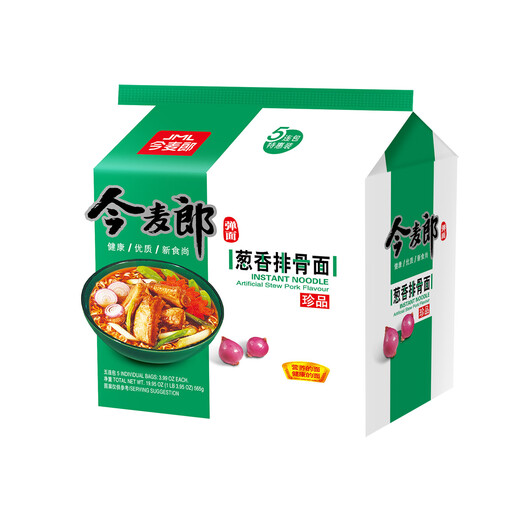
Why this suits the profile: The five individual portions are suitable for the cupboard, the office or a quick meal at home. According to the product information, preparation takes around three minutes after boiling the water.
The packaging states the net weight, ingredients, allergens and preparation method. So you can see in advance that the product contains wheat and that hot water is needed.
Five individually wrapped portions; preparation in around three minutes; separate sachets for sauce, seasoning and vegetables.
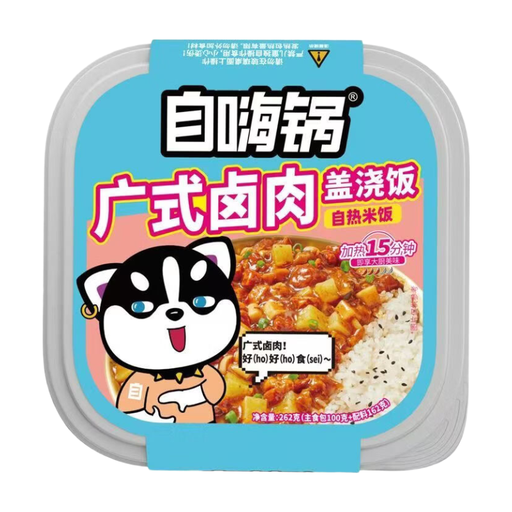
Why this suits the profile: This self-heating rice meal is designed for situations without a hob or electricity, such as on the go, at the office or during outdoor activities.
The rice meal has separate sachets for sauce, oil and seasoning. The product information also states a preparation time of around 15 minutes and clear restrictions for the heating pack.
262 grams per pack; no fire or electricity needed; separate flavour components; shelf-stable at room temperature according to the product information.
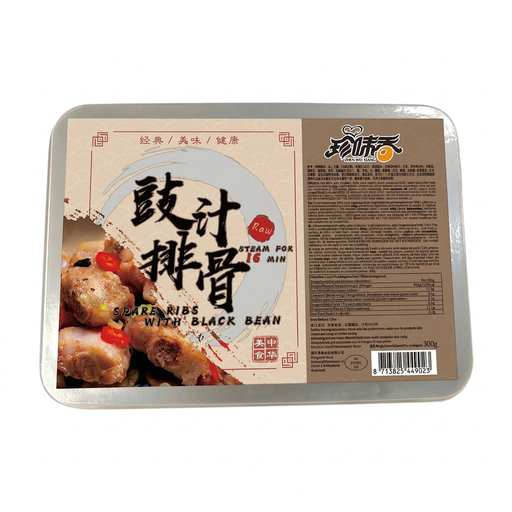
Why this suits the profile: Ideal for anyone looking for a frozen dish with spare ribs and black bean sauce who has time at home to steam the product properly.
The storage instruction clearly states that it should be kept at -18 °C or lower and not refrozen after defrosting. According to the product information, preparation from frozen takes 15 to 20 minutes.
300 grams per pack; store in the freezer; steam from frozen; contains soya, wheat and sesame according to the label.
We’ve put together a full, up-to-date list of products that fully meet these strict selection criteria and comply with current European safety regulations.
A self-heating rice meal is practical when you don’t have a hob, microwave or power socket. Do check whether the heating pack can be used safely in your chosen location. Do not put it in a microwave and follow the instructions on the packaging.
Chinese instant noodles are generally shelf-stable at room temperature, provided they are stored cool, dry and out of direct sunlight. The exact best-before date is on the packaging. Also check that the sachets are intact before you prepare them.
No. Frozen dishes such as spare ribs, pork trotters or other Chinese stews usually need to be fully heated or steamed. Keep them frozen, defrost them according to the instructions and do not refreeze them after defrosting. This makes them mainly suitable for home use and less so for eating on the go.
