
Vandaag of morgen in huis

Kwaliteit gegarandeerd

Welkomstaanbiedingen ontgrendelen: GRATIS bezorging | Tot 80% korting | Gratis 30 dagen JoyPlus-proefperiode
Download de app
Chinese plum snacks have a flavour profile you won’t easily confuse with ordinary dried prunes. Depending on how they’re prepared, you’ll taste sweet, sour, salty, liquorice-like spices or even a gentle hint of heat. That makes them an interesting snack, but also tricky to compare when shopping online. A packet labelled “original”, “traditional” or “premium” doesn’t always tell you enough about the taste or ingredients.
With this practical guide, you can focus on the points that make the biggest difference in the UK: ingredients, flavour direction, portion size, storage instructions and when to enjoy them.
Chinese plum snacks include dried plums, pickled plums, salted plums and preserved plums. Some products are soft and chewy, while others contain harder pieces of fruit or are intended to be soaked in water.
The term ume plums can also cause confusion. Ume is a Japanese plum often used for umeshu, a sweet-and-sour plum wine. That product is different from a Chinese salted or pickled snack plum.
Sweet-and-sour doesn’t automatically mean light in taste or composition. Always check the nutritional information and ingredients list. In many products, sugar, sweeteners and salt appear relatively high on the list. For example, Liu Liu Original Plum contains 54.5% green plum according to the product information, alongside sugar, salt and flavourings. Jia Jian Cheng Chu Honey Plum lists plums, sugar, honey, salt and citric acid.
If you want to avoid sugar or certain sweeteners, you need to look carefully. Some varieties contain saccharin, sucralose, aspartame or cyclamate, among others. Aspartame often carries a warning that it contains a source of phenylalanine.
A 60g or 70g bag is handy for trying a flavour for the first time. A 500g bucket can be more appealing for sharing, regular snacking or a selection with multiple flavours. Do pay attention to the shelf life after opening. Most products need to be stored tightly sealed, in a dry place away from direct sunlight.
First, look at the proportion of plum, then the added ingredients. A higher fruit percentage can give a more pronounced plum flavour, but it doesn’t on its own tell you about sweetness or texture. Also look out for:
Any product containing sulphites must state this on the label. If in doubt, always check the packaging, as ingredients or packaging information can change.
Choose based on how you intend to use it:
Chinese plum snacks are often eaten straight from the pack, but some preserved plums can also be steeped in hot or cold water. The instructions on the packaging are your best guide.
For the office, travel or a first try, packs of 60g to 130g are practical. For a family or a group snacking session, packs of 180g to 500g are more convenient. Individual portions also help limit exposure to moisture after opening.
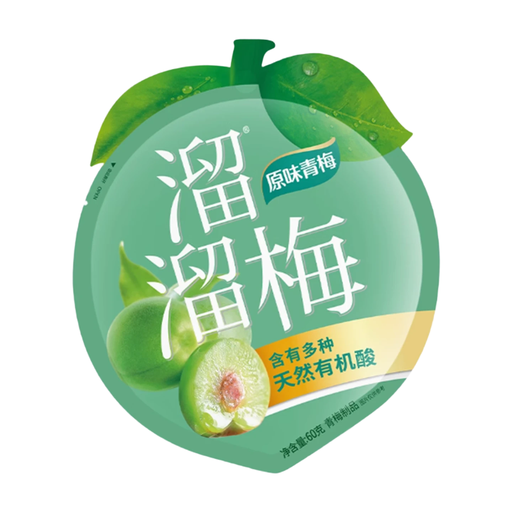
Why this fits the profile: The 60g pack is ideal for trying a classic Chinese plum snack without committing to a large quantity. The product description mentions a soft, chewy texture and a sweet-and-sour flavour.
The small size limits waste if the flavour or texture isn’t what you expected. The ingredients list states the green plum content at 54.5%.
60 g; ready to eat; green plum declared as a quantitative ingredient; no allergens listed.
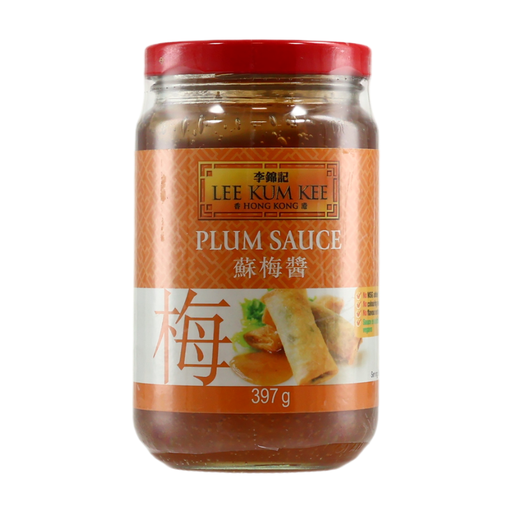
Why this fits the profile: For those who want to use plum beyond snacking, this sauce offers a clear cooking application. According to the product description, it’s intended as a dipping sauce for spring rolls, roast meat and poultry.
Its purpose is clear: a ready-to-use sauce rather than a snack that can only be eaten straight from the pack. The ingredients list 35% plum and the preservative potassium sorbate.
397 g; sweet-sour and slightly savoury flavour according to the product information; ready to serve; suitable for dips and dishes.
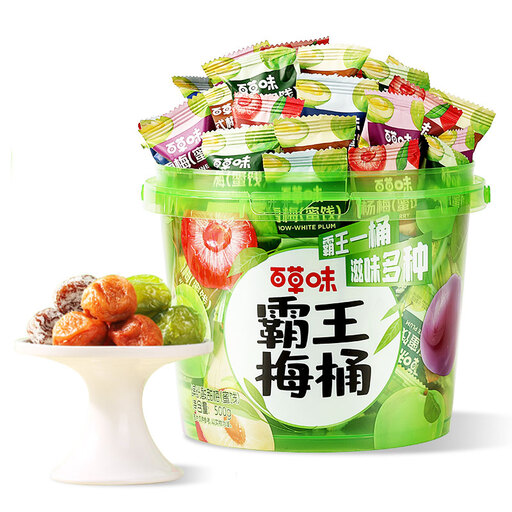
Why this fits the profile: According to the product information, the bucket contains 70 individual portions and five types of preserved fruit, including snow plum, waxberry, Suzhou plum, green plum and Western plum.
The individual portions help limit moisture and drying out after opening. However, you should be aware of sulphites, multiple sweeteners and the warning for Allura Red E124 based on the product information.
500 g; 70 individual packs; five flavour directions; ideal for sharing or trying multiple varieties.
We’ve put together a full, up-to-date list of products that fully meet these strict selection criteria and comply with current European safety regulations.
For a sweeter option, take a look at Jiajianchengchu Honey Plum 200g, with honey, sugar and salt. If you’re after a distinctly savoury flavour, consider X.O Salted White Plum 70 g; the product information states 86% Chinese plum and a sulphite warning.
A fruity sauce for cooking is different from a snack. YunShanBan Plum Sauce 300g combines dark plum with hawthorn, mulberry and osmanthus, according to the product description. For an alcoholic option, Choya Plum Wine 500 ml is a Japanese umeshu with 10% alcohol. Drink alcohol in moderation and check local age and sales regulations.
Dried plums usually have a firmer or chewier texture because moisture has been removed. Pickled or preserved plums are often prepared with salt, sugar, acid and flavourings. As a result, they can be softer and have a pronounced sweet-sour or savoury taste.
Store unopened products in a cool, dry place away from direct sunlight. Once opened, the packaging must be sealed tightly. Always follow the instructions on the label; some products need to be consumed quickly after opening, while plums in syrup should be kept refrigerated.
For several preserved plums, the instructions say you can steep one or two plums in cold or hot water. The result is a sweet-and-sour plum drink. Use the product packaging as a guide for quantity and preparation.
