
Vandaag of morgen in huis

Kwaliteit gegarandeerd

Welkomstaanbiedingen ontgrendelen: GRATIS bezorging | Tot 80% korting | Gratis 30 dagen JoyPlus-proefperiode
Download de app
A Chinese plum snack can be sweet, sour, salty and chewy all at once. That’s what makes this traditional Chinese snack so appealing for on-the-go, at the office or with a cup of tea. However, dried plums and preserved plums vary widely in their composition, texture and portion size.
If you only go by the packaging or a flavour name, you could end up buying a snack that’s too salty, too sweet or awkward to eat. With these practical pointers, you can compare Chinese dried plums, salted plums and other plum sweets based on verifiable product information.
“Sweet and sour”, “original” or “fresh” mainly describes the expected taste. It doesn’t tell you how much sugar, salt, sweeteners or flavourings have been added. So always check the ingredients list and the nutritional information table.
Some products list sugar in the ingredients, while other varieties use sweeteners. A product labelled sugar-free can still taste sweet thanks to, for example, aspartame, saccharin or steviol glycosides. Also look out for warnings, such as a source of phenylalanine.
A bag of 280, 400 or 430 grams can be good value for sharing or stocking up, but it’s less practical if you only want to eat a few pieces now and then. Once opened, dried plums can dry out or, conversely, absorb moisture. So seal the packaging properly and follow the storage advice on the label.
Individual wrappers are handy for on-the-go and at the office. However, they use more packaging material and aren’t automatically better value per 100 grams.
A traditional dried plum snack may contain a stone. If you want to eat the snack on the train, at work or out and about, it’s wise to check whether the product is pitted. If that isn’t clearly stated, don’t assume it’s a stone-free version.
Also check the allergen information. Sulphites or sulphur dioxide are found in various preserved plums. A warning about sweeteners or phenylalanine will also appear on the product label where applicable.
First, choose the flavour type you prefer:
A short ingredients list doesn’t automatically mean the flavour is mild. The salt content can still be high. So compare the nutritional values per 100 grams, not just per portion pack.
The product description often states whether the plum is soft, firm, fleshy or chewy. That helps when choosing a snack for everyday use. For eating straight away on the go, pitted plums or individually wrapped portions are practical. For relaxed snacking or pairing with tea, a softer, more traditional texture may be more enjoyable.
According to the product description, some items can also be soaked in water to make a drink. Treat this as a usage suggestion from the brand and always follow the information on the packaging.
Compare the net weight with how you plan to use it:
Pay attention to the difference between sugar and total carbohydrates. A product may state 0 grams of sugar on the label yet still contain carbohydrates from other ingredients or sweeteners. The displayed nutritional values can vary from product to product; always use the current packaging as your guide.
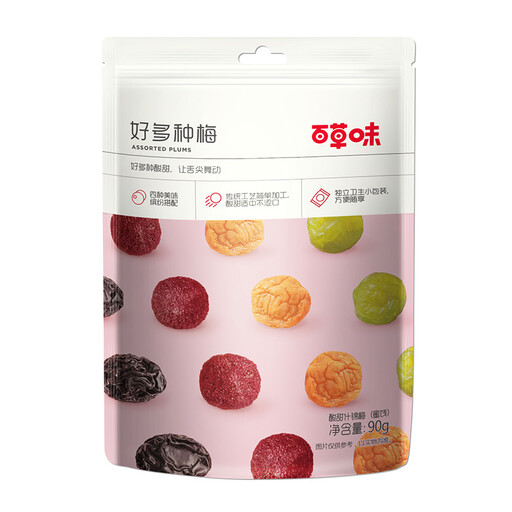
Why this fits the profile: The 90g bag contains several plum flavours, so you can get to know sweet-and-sour dried plums without buying a large pack.
The manageable size reduces the risk of a large bag going unused. The ingredients list includes, among other things, sugar, salt and sweeteners.
90 grams; assortment with different flavours; resealable stand-up pouch according to the product description.

Why this fits the profile: If you pay attention to the fruit content and want a classic flavour, according to the product information this one contains at least 90% green plum.
The stated plum percentage makes it easier to compare with products that have more sugar or flavourings. Do check the current label.
160 grams; at least 90% green plum according to the product description; individual inner wrappers.
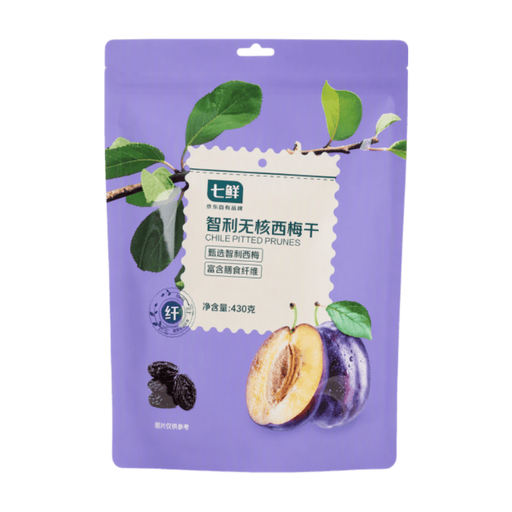
Why this fits the profile: The large size suits families, bulk buyers and those who also want to mix plums into yoghurt, porridge or baking recipes.
The product name states that the plums are pitted. This makes it clearer in advance what they’re suitable for, though checking the packaging is still advisable.
430 grams; pitted according to the product information; can be used as a snack or topping.
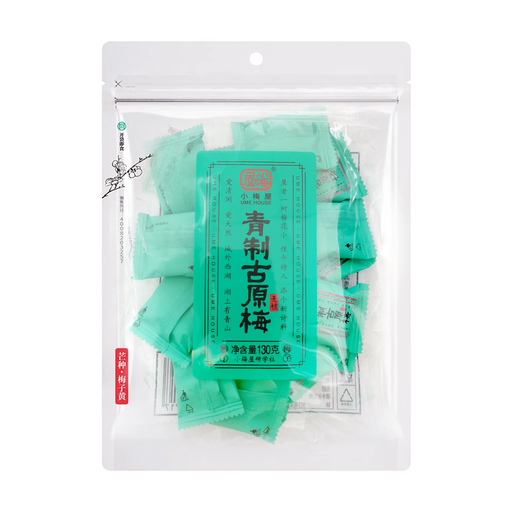
Why this fits the profile: The product information mentions individually wrapped plums. That’s practical for a desk drawer, bag or a film night with several people.
Individual portions limit contact with the rest of the contents after opening. Do note the stated sulphites and check the current allergen information.
130 grams; individually wrapped according to the product description; green plum with salt, sugar and food acids.
We’ve put together a full, up-to-date list of products that fully meet these strict selection criteria and comply with current European safety regulations.
No. The composition varies from product to product. Some varieties contain sugar, others use sweeteners, and some dried plums consist mainly of plum according to the label. Compare the ingredients list and the nutritional values per 100 grams. Also pay attention to the difference between sugars and carbohydrates.
No. Check whether “pitted”, “de-pitted” or “stone-free” appears on the product page or packaging. If that information is missing, be prepared for a possible stone. This is especially relevant if you want to eat the snack on the go or at the office.
Store the sealed packaging in a cool, dry place, out of direct sunlight and according to the label. Seal an opened bag properly and consume the contents in good time. Individual wrappers can help keep the remaining plums better sealed.
