
Vandaag of morgen in huis

Kwaliteit gegarandeerd

Welkomstaanbiedingen ontgrendelen: GRATIS bezorging | Tot 80% korting | Gratis 30 dagen JoyPlus-proefperiode
Download de app
A Chinese plum snack can be sweet, sour and salty all at once. That's what makes preserved plums so popular with fans of Asian snacks, but the wide range on offer doesn't always make choosing easy. One packet contains dried plums, another pickled plums with honey, sweeteners, spices or liquorice.
If you only look at the front of the packaging, you could end up buying a product that's too salty, too sweet or awkwardly packaged. With these checkpoints, you can compare Chinese sour plums and other varieties in a practical way.
Words like honey plum, dark plum, green plum or salted plum give you an idea of the taste, but they don't reveal how much sugar, salt, acidity regulators or sweeteners have been added. A sweet and sour plum snack, for example, might also contain liquorice, chilli or flavourings.
So read the ingredients list. Pay particular attention to:
A 280g or 500g bag might look appealing for regular snacking, but preserved fruit can dry out or become sticky once opened. Check whether the product is individually wrapped and whether the bag can be resealed properly.
For on-the-go or at the office, smaller packs are often more practical. For a family or a group snacking moment, a larger pack might be more suitable.
Some salted plums are sweetened with, for example, aspartame, saccharin or steviol glycosides. That might suit someone who wants to avoid sugar, but the product still contains other sweeteners. With aspartame, look out for the mention source of phenylalanine.
Also, don't take terms like "natural", "traditional" or "light" at face value without checking the label. The nutritional information and ingredients list give you a better basis for comparison.
Under European labelling regulations, ingredients and relevant allergens must be clearly stated. When it comes to Chinese dried plums, check for sulphites in particular. These are found in products such as UME HOUSE Green-Style Ume Plums and Liu Liu Preserved Green Plum.
A pack without any declared allergens is not the same as a product with a short ingredients list. Compare the full composition before you order.
The nutrition table makes it easy to compare products. Look at carbohydrates of which sugars, but also at salt. A salted plum can contain relatively high levels of salt, even if the sugar content is limited.
Examples from product information:
Use these figures as comparison information, not as health advice. The actual packaging remains the definitive source.
Texture varies from soft and sticky to firm and chewy. If you like to enjoy a plum snack slowly, a firmer variety might suit you. For sharing during a film night, individually wrapped plums are more convenient.
Store the products as directed on the label: usually in a cool, dry place away from direct sunlight. Seal an opened pack properly and consume the product in good time. When buying online, also check the best-before date on the packaging.
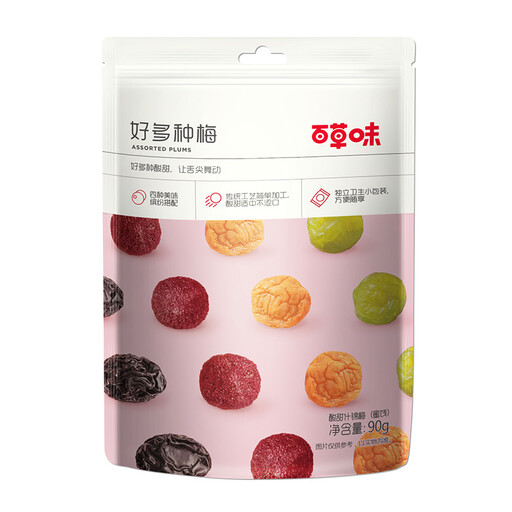
Why this suits the profile: The 90g bag is a manageable size and contains several different plum flavours. That makes it a practical introduction to Chinese dried plums without committing to a large quantity straight away.
The small size limits waste after opening. The ingredients list includes sugar, salt, sweeteners and preservatives, so you can compare before you buy.
90g, stand-up pouch, multiple flavours and ready to eat straight away.
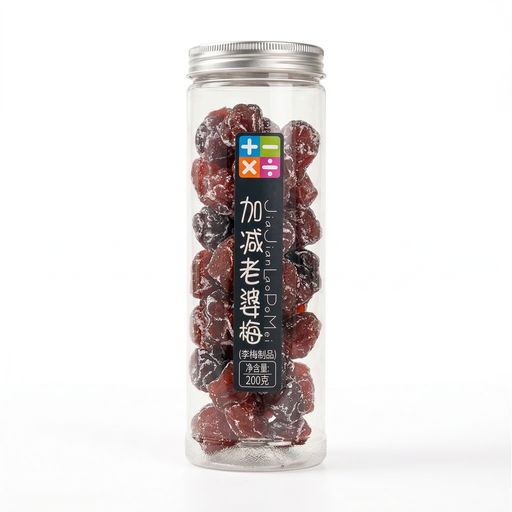
Why this suits the profile: According to the product description, this classic honey plum combines honey and sugar with salt and citric acid. The firm, chewy texture suits those who enjoy a longer-lasting snacking experience.
The flavour direction and ingredients are clearly stated. That means you can distinguish it from a plum made mainly with sweeteners or spices.
200g, honey in the ingredients list and a firmer texture according to the product information.
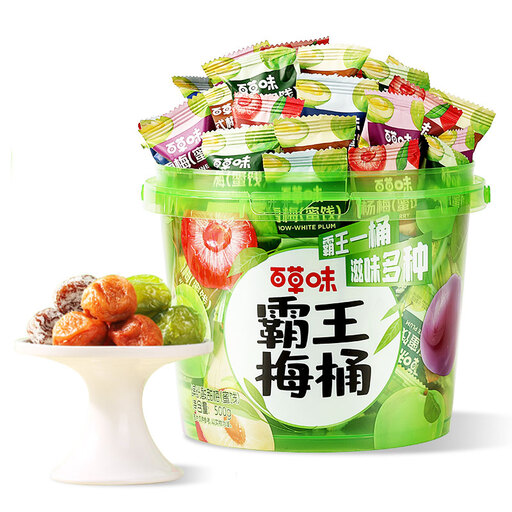
Why this suits the profile: The bucket contains 500g and 70 individual wrappers. That makes it ideal for offices, family gatherings or fans who want to alternate between several types of preserved fruit.
The portions are individually wrapped, so the whole supply isn't exposed to air every time. Do check for sulphites, sweeteners and the full ingredients list.
70 individual packs, five named plum varieties and 500g total weight.
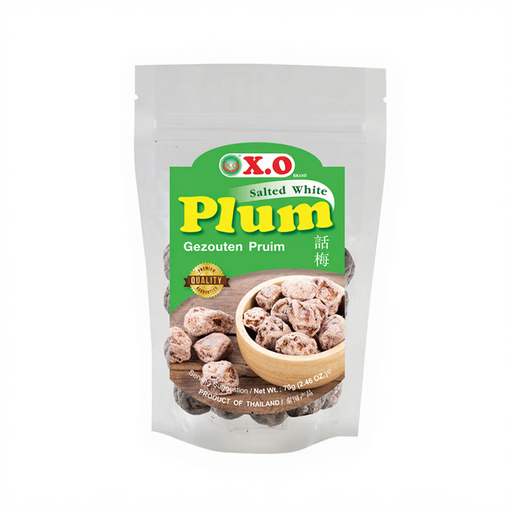
Why this suits the profile: The product information mentions a white plum with salt, sugar and a slightly spicy flavour. The 70g size is ideal for a small snack at the office or on the go.
The weight and ingredients are clearly stated. The mention of sulphite helps shoppers who want to check allergens in advance.
70g, 86% Chinese plum according to the product information and a salty, slightly sweet flavour profile.
We've put together a full, up-to-date list of products that fully meet these strict selection criteria and comply with current European safety regulations.
Dried plums usually have less moisture and a firmer or chewier texture. Pickled plums are typically preserved with salt, sugar, acidity regulators or spices and can be softer or juicier. The terms are sometimes used interchangeably in product descriptions, so check the ingredients and texture information.
Not always. "Ume" usually refers to a specific type of plum that appears mainly in Japanese products. In the snack market, the term is also used for preserved green plums in Asian style. Check the country of origin and the ingredients list if you're looking for a particular flavour.
Keep the packaging in a cool, dry place away from direct sunlight and moisture. Seal an opened bag or bucket properly. Individually wrapped products remain practical when you're taking small portions. Always follow the storage and best-before information on the packaging.
