
Vandaag of morgen in huis

Kwaliteit gegarandeerd

Welkomstaanbiedingen ontgrendelen: GRATIS bezorging | Tot 80% korting | Gratis 30 dagen JoyPlus-proefperiode
Download de app
A Chinese plum snack can be sweet-and-sour, salty, spicy, soft or firm. Yet many packets look alike. As a result, you can easily end up with a bag that’s too salty, tastes mostly sweet, or turns out to be less suitable for the use you had in mind.
The main pitfalls are usually not in the packaging, but in the details:
A Chinese plum snack is usually prepared in one of these ways:
If you’re looking for a mild snack, it’s best to start with a product where sugar is relatively prominent. For a salty or savoury preference, look instead at the salt content and the presence of liquorice, chilli or other flavourings.
Ingredients are listed in descending order by weight. If sugar or salt appears near the top, that gives you an initial idea of the flavour profile. Also look out for:
A brand may use terms like “refreshing”, “appetite-stimulating” or “healthy”. Don’t take such descriptions as guaranteed effects. According to a brand’s own research, these claims may be part of their product communication. When making your choice, look for verifiable information such as ingredients, net weight, nutritional values and usage instructions.
For a snack in your bag, at the office or while travelling, portions of 60 to 130 grams are manageable. Individually wrapped plums are handy when you want to share or don’t want to open the pack all at once.
Larger packs make most sense when you also use plums for:
After opening, follow the storage instructions. Generally, keep dried plums in a cool, dry place, away from direct sunlight and well sealed. For Chaoshan Collection Salty-Sour Plum, the label states that refrigeration is needed after opening. Always follow the instructions on the specific product.
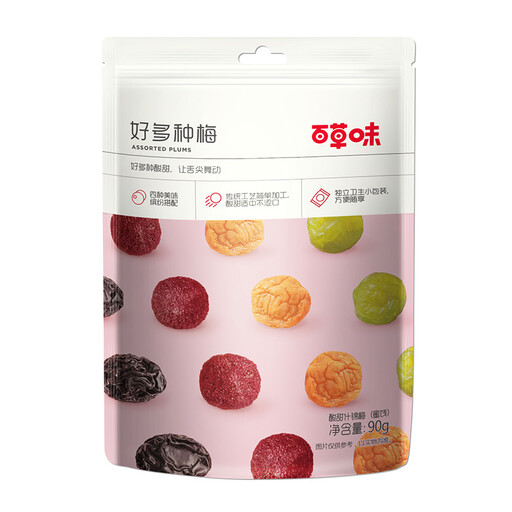
Why this suits the profile: The mixed flavours offer an easy introduction to different types of dried plum. The 90g bag is ideal for trying at home or on the go.
You don’t have to buy a large stock straight away or choose one strong flavour. Do check the stated 3.0g salt per 100g and the presence of sweeteners.
Assortment of plum flavours, 90g pack and ready to eat straight away.
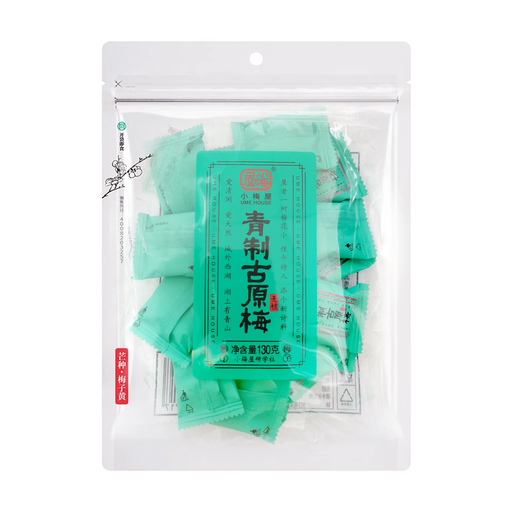
Why this suits the profile: The 130g pack suits those who regularly enjoy a traditional ume-style plum snack and value a portable size.
The product information lists clear ingredients: green plum, salt, sugar and acidity regulator. Be aware of the sulphite warning.
130g net weight, individually wrapped according to the product description, and ready to eat.
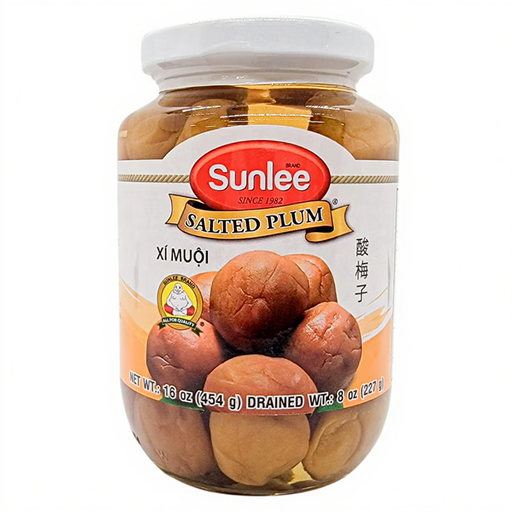
Why this suits the profile: The large size is designed for frequent use as a snack, ingredient, flavour enhancer or base for a plum drink.
Its use goes beyond just snacking. With a salty flavour, you can rinse the plums according to the product information or use them in sauces, soups and stews.
454g pack, suitable for cooking and drinks, with ingredients including plum, water, salt, citric acid and acetic acid.
We’ve put together a full, up-to-date list of products that fully meet these strict selection criteria and comply with current European safety regulations.
Dried plums usually have a firmer texture and are intended for eating straight away. Preserved plums are often softer and may contain extra salt, acid, spices or moisture. Both types can be used in Chinese snacks, but preserved varieties are more often used in drinks and savoury dishes.
Keep the pack in a cool, dry place away from direct sunlight. Seal an opened bag tightly to prevent drying out and moisture absorption. If the label says the product needs to be refrigerated after opening, follow that instruction. Also check the best-before date on the packaging.
That depends on the ingredients. Pay particular attention to the salt content, the sweeteners used, and any warnings about phenylalanine or sulphites. If you need to avoid these substances, it’s a good idea to read the label carefully before making your purchase.
