
Vandaag of morgen in huis

Kwaliteit gegarandeerd

Welkomstaanbiedingen ontgrendelen: GRATIS bezorging | Tot 80% korting | Gratis 30 dagen JoyPlus-proefperiode
Download de app
Chinese pickled vegetables are handy as a Chinese side dish, a ready-to-eat snack or a flavour booster for rice, noodles, congee and soup. However, the packets and jars vary greatly in taste, portion size, salt content and preparation. A spicy Chinese vegetable can be excellent with a bowl of noodles, yet too intense as a daily addition to a light meal.
This guide helps you compare Chinese pickles without relying solely on words like “traditional”, “crunchy” or “mild”.
Pickled mustard tuber and pickled mustard stem often contain a lot of salt because salt is part of the preservation process. For example, the product information for WuJiang Light Preserved Mustard Tuber states 7.0g of salt per 100g. So the milder taste mainly refers to spiciness or acidity, not necessarily the salt content.
Always check the nutritional information table. If you prefer a less salty flavour, you can briefly rinse or squeeze some products. This can affect the taste, but it doesn’t guarantee all the salt is removed.
A 65g to 80g packet is practical for one meal, a student kitchen or on the go. For daily use, multi-packs or 271g to 400g packs are often more convenient. Don’t just look at the price per pack, but also at the price per 100g.
Individual portions also reduce waste. A large pack is only good value if you store it chilled after opening and use it up in time.
Marketing often highlights texture, but the ingredients matter more. Check how much of the product consists of, for example, mustard tuber, cowpea, radish or bamboo shoots. With Jixiangju Hot & Sour Cowpea, the stated amount of cowpea is 82%. With Bestore Wild Mountain Bamboo Shoots, it says at least 70% bamboo shoots.
Also look at oil, sugar, sweeteners, flavour enhancers and allergens. “No artificial colours or preservatives” doesn’t mean a product is free from salt, oil or other additives. Always check the actual packaging.
The type of vegetable determines the texture and how you use the product:
Compare the salt content per 100g. In the available product information, this ranges from 2.5g of salt for Shimoxiaozhen Cucumber to 8.13g of salt for WuJiang Mild Spicy Pickled Mustard Tuber. That difference is noticeable in your meal and in how much extra soy sauce or salt you need.
Also pay attention to oil. Chuannan Appetizing Cowpeas states 30.5g of fat per 100g, while Bestore Wild Mountain Bamboo Shoots contains 0g of fat per 100g according to the product information. These are product specifications, not a general health assessment.
In the Netherlands, allergens must be clearly stated. In this category, you will find mustard, soya, sesame, wheat, gluten and sulphites among others. Read the ingredients list if you have a food allergy or intolerance.
An unopened pack should usually be stored in a cool, dry place away from direct sunlight. After opening, the product should generally go in the fridge and be consumed quickly as per the packaging. Do not use any pack that is bloated, leaking, mouldy or visibly damaged.
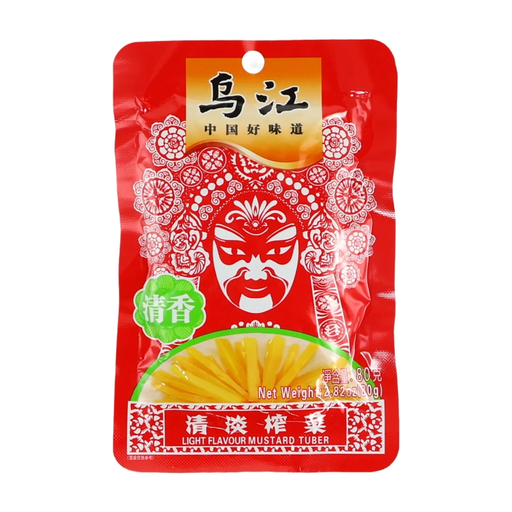
Why this fits the profile: A small individual packet is straightforward for anyone trying Chinese pickled vegetables for the first time or needing just one portion.
The product information mentions a milder flavour and clearly states that rinsing is possible. Do check the stated salt content of 7.0g per 100g.
80g per packet, ready to eat and usable with rice, noodles, porridge, stir-fries and soup. Contains mustard as an allergen.
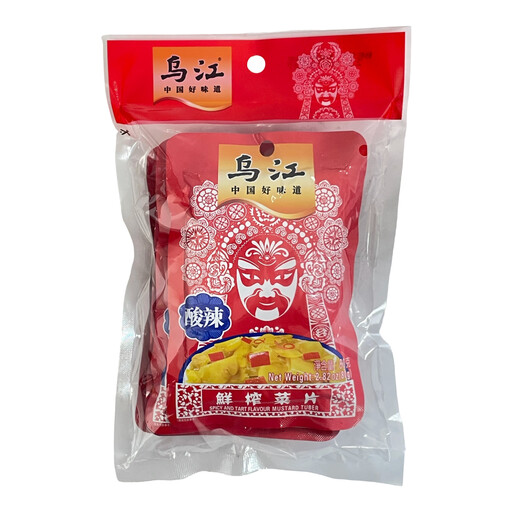
Why this fits the profile: The multi-pack offers four separate portions for households that regularly serve a sour-spicy side dish.
The four small packs limit waste after opening. The stated nutritional information shows 2150mg of sodium per 100g; comparing is still important.
320g total, sour and spicy flavour, ready to serve with noodles or as a Chinese side dish. Contains mustard.
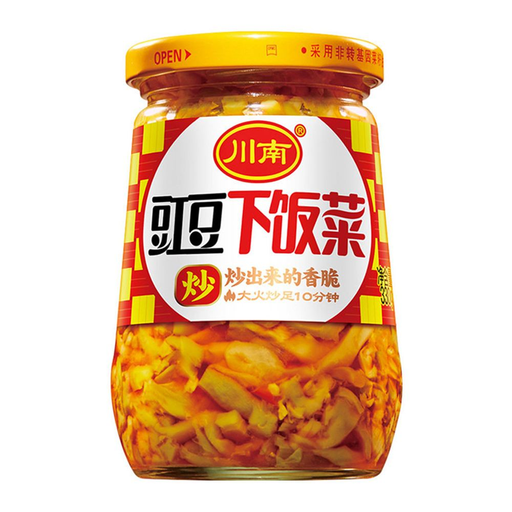
Why this fits the profile: The larger pack suits home cooks and fans of Sichuan pickled vegetables who want to supplement several meals.
The ingredients list and nutritional values make it clear that the product contains oil, soya, wheat and 4.86g of salt per 100g.
330g, 79.4% cowpea according to the product information, ready to eat and suitable with rice or congee. Contains soya and wheat.
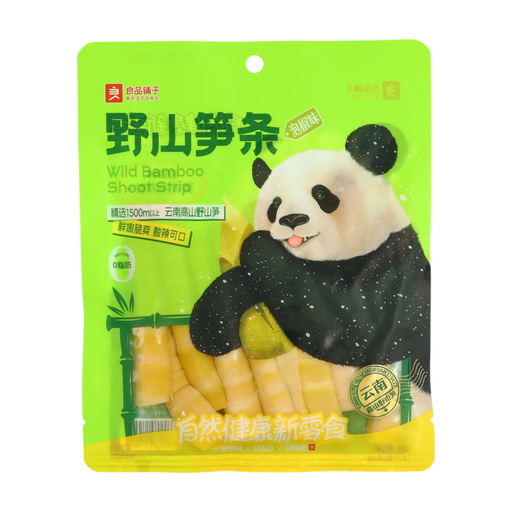
Why this fits the profile: The combination of crunchy bamboo shoots and pickled pepper suits anyone looking for a ready-to-eat Chinese snack with a distinct texture.
The product information states the bamboo shoot content, the salt content of 3.1g per 100g and the presence of sulphites.
90g, ready to eat, suitable with rice or soup and according to the product information 18kcal and 0g of fat per 100g. Contains sulphites and sweetener.
We have compiled a full, up-to-date list of products that fully meet these strict selection criteria and comply with current European safety regulations.
Many products in this category are described as ready to eat straight from the pack. Others, such as some mustard greens with a separate sachet of seasoned oil, are intended for simple preparation or further cooking. Always read the usage instructions on the label.
Store opened Chinese pickled vegetables in the fridge and consume them quickly. The exact time varies by product. Always use a clean spoon and follow the instructions on the packaging.
Zhacai, pickled mustard stem, pickled cowpea and spicy cucumber all go well with noodles. Choose a milder variety if the noodle broth is already salty or spicy. For extra texture, bamboo shoots or crunchy radish are practical choices.
