
Vandaag of morgen in huis

Kwaliteit gegarandeerd

Welkomstaanbiedingen ontgrendelen: GRATIS bezorging | Tot 80% korting | Gratis 30 dagen JoyPlus-proefperiode
Download de app
Chinese pickled vegetables are handy as a side dish, topping or flavour enhancer for rice, noodles, congee and stir-fries. Yet pickled radish, zha cai, pickled mustard greens and Sichuan pickled vegetables differ greatly in taste, texture, heat and salt content.
If you only look at the picture or words like “authentic”, you could end up with a pack that’s too big, a product that’s too spicy, or a flavouring that needs using up quickly after opening. With these checkpoints, you can compare products more practically.
Heat can come from chilli, pickled peppers or Sichuan pepper. The latter can give a tingling, slightly numbing mouthfeel in addition to spiciness. So check the ingredients list. A product with chilli, oil and spices can taste quite different from a simple pickled radish with salt and acid.
For a milder choice, products without obvious chilli or pepper mentions are often more suitable. If you’re after Sichuan flavours, look for terms like zha cai, chilli, Sichuan pepper or Sichuan-Chongqing flavour.
Pickled vegetables are often preserved with salt. The nutritional information is usually given per 100g, while a packet might contain 60g or 80g, for example. So don’t just compare the packaging, but also the salt content per 100g and the amount you actually use.
The Panda Brand Preserved Mustard Tuber, for instance, states 5g of salt per 100g. The Jixiangju Open-Flavor Pickled Mustard states 6.5g per 100g. That makes both products usable as a flavouring, but a small amount can already be enough with a bowl of rice or noodles.
A multi-pack is practical if you regularly eat Chinese side dishes, but less handy if you only open a packet occasionally. Pay attention to:
Check whether the product contains mustard, sesame, soya, wheat, sulphites or other allergens. Panda Brand Preserved Mustard Tuber contains mustard. The Jixiangju variant lists mustard greens and spices. Some pickled bamboo shoots may contain sulphites; Bestore Wild Mountain Bamboo Shoots, for example, states sulphur dioxide and sulphites.
Also look at flavour enhancers, sweeteners, oil and preservatives if you prefer a short ingredients list. The presence of an E-number is not in itself an indication of a product’s taste or suitability. Always use the current packaging as your guide.
The shape determines how you use the vegetable:
A product that is ready to eat requires little preparation. With some varieties, you can squeeze out excess liquid or briefly rinse the vegetables if you want to adjust the intensity. That does change the flavour and possibly some of the salt, but it’s no guarantee of a specific nutritional profile.
For occasional use, portions of 60 to 100g are manageable. A multi-pack with several small sachets limits waste. For a family, store cupboard or professional use, a pack of 200 to 600g is more practical.
With instant noodles, be careful what you buy. The Jin Mai Lang Premium Old Trough Pickled Mustard Greens is a five-pack of 120g, but it contains a complete noodle meal with noodles, sauce, pickled vegetables and seasoning powder. So this is not the same as a separate jar of pickled mustard greens.
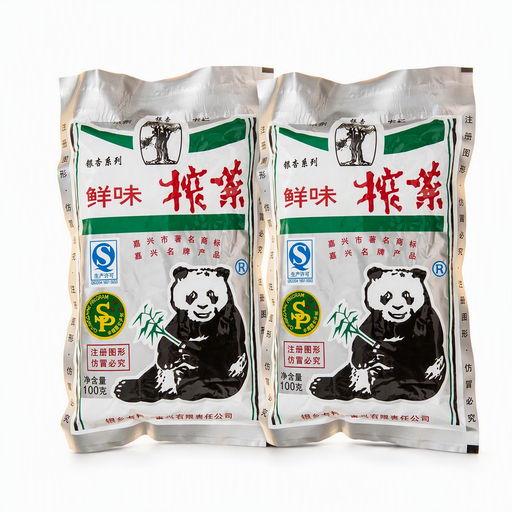
Why this fits the profile: Two packs of 100g are manageable for anyone trying zha cai for the first time with rice, noodles or congee.
The portions prevent you from opening a large supply straight away. The product information mentions a crunchy, savoury mustard tuber and advises refrigeration after opening.
2 × 100g, ready to use as a side dish or topping; contains mustard as a stated allergen.
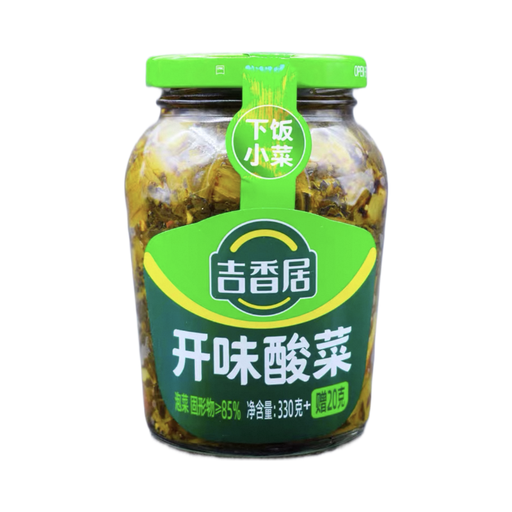
Why this fits the profile: The combination of pickled mustard greens and separately included seasoned oil gives you more control over the final flavour.
You don’t have to add all the oil automatically. According to the product information, you can squeeze out the liquid and dose the oil to taste.
350g total; suitable for noodles, fried rice and dishes where a sour, savoury flavour is desired.
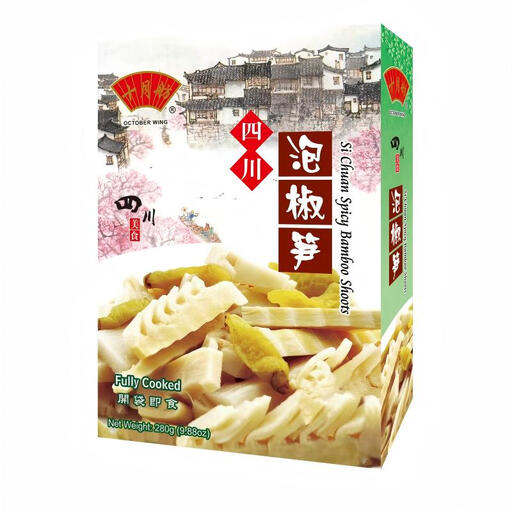
Why this fits the profile: These pickled bamboo shoots are aimed at cooks who want a crunchy ingredient for Sichuan dishes, beyond radish and mustard greens.
The product information clearly lists the ingredients: 80% bamboo shoot, pepper, sugar, salt and acidity regulators. This makes the flavour profile easier to judge in advance.
280g contents; suitable as a topping, in soup, hotpot or stir-fry; store according to the label and refrigerate after opening.
We’ve put together a full, up-to-date list of products that fully meet these strict selection criteria and comply with current European safety regulations.
Zha cai is a Chinese pickled mustard tuber, usually cut into shreds or small pieces. The flavour is savoury and salty, with a firm bite. It is often eaten with congee, rice and noodles, or used as a Chinese flavouring.
That depends on your recipe and preference. You can squeeze out excess liquid or briefly rinse the vegetables if the flavour is too salty. First check the usage instructions on the packaging. With products containing seasoned oil, rinsing can also remove part of the intended flavour profile.
Store an opened product in the fridge and follow the instructions on the label. The recommended period varies by packaging. Seal packets, jars or tins well and always use your senses: if there is an unusual smell, colour, mould or damaged packaging, it’s best not to use the product.
