
Vandaag of morgen in huis

Kwaliteit gegarandeerd

Welkomstaanbiedingen ontgrendelen: GRATIS bezorging | Tot 80% korting | Gratis 30 dagen JoyPlus-proefperiode
Download de app
Chinese pickled vegetables are a handy quick side dish, flavour enhancer or ingredient for an Asian meal. Think zhacai, pickled mustard tuber, pickled cabbage, bamboo shoots and spicy Chinese pickles. You open a pack and instantly add extra salt, tang, heat or umami to rice, noodles and stir-fries.
However, not every product is intended for the same use. A small sachet of zhacai works differently from a 500g jar of pickled vegetables. Salt content, allergens, storage instructions and preparation methods can also vary widely. The checkpoints below will help you avoid buying a product that doesn’t suit your meal or store cupboard.
Some pickled vegetables can be served straight from the pack. Other products need to be rinsed and heated first. Liu Bi Ju Pickled Cabbage, for example, is described in the product information as needing to be rinsed and then cooked. Nature’s Best Harvest NBH Pre-cooked Bamboo Tip states on the pack that it should not be eaten raw and must be thoroughly heated.
Always check the usage instructions. For a quick lunch, ready-to-eat Asian vegetables are practical. For soup, curry or stir-fries, vegetables that need heating may actually be a better fit.
Words like “mild”, “spicy”, “sour” and “pickled pepper” give you an idea, but they don’t tell you everything about the final taste in a dish. A product can be mildly spicy and still contain a lot of salt. For example, WuJiang Mild Spicy Pickled Mustard Tuber lists 8.13g of salt per 100g. Panda Brand Preserved Mustard Tuber lists 5g of salt per 100g.
If you’re using Chinese pickled vegetables as a topping, taste a small amount first. In noodle soup or stir-fries, it’s better to add extra soy sauce or salt later.
Pickled mustard tuber, zhacai and other pickles may contain mustard. Some varieties also contain sesame, soya, wheat, sulphites or ingredients of animal origin. Ji Xiang Ju Spicy Fragrant Enoki Mushroom, for example, lists mustard and scallop as allergens. Bestore Wild Mountain Bamboo Shoots lists sulphites.
Always read the current packaging with every purchase. The online product information can change, and the label contains the information that is decisive for your use.
Look out for these labels:
Chinese side dishes in small portions are suitable for one or a few meals. A 500g or 1000g pack is better suited to households that cook Asian food regularly.
Pickled vegetables are often preserved with salt, acid or a combination of both. Look at the nutritional information per 100g, not just the serving size on the front. This allows you to compare products more fairly.
Also check for ingredients such as acetic acid, lactic acid, citric acid, sweeteners and flavour enhancers. Their presence doesn’t automatically say anything about quality, but it does help you understand the flavour and composition. If you’re looking for a less salty taste, choose a product that is explicitly described as light or mild, or rinse the vegetables if the instructions allow.
Individual sachets are handy for on the go, a single-person household or controlled portions. A larger jar or pouch is more economical if you use pickles several times a week, but it often needs refrigeration after opening and quick consumption.
Check before you buy:
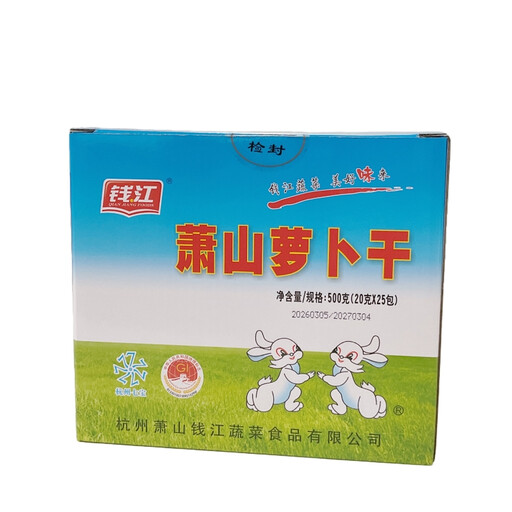
Why this fits the profile: The 500g pack offers enough to try out different meals, from rice to noodles and congee.
The ingredients and nutritional values are clearly stated. With 90% white radish, the main ingredient is immediately visible.
500g; none of the 14 common EU allergens listed; suitable as a side dish or flavour enhancer.
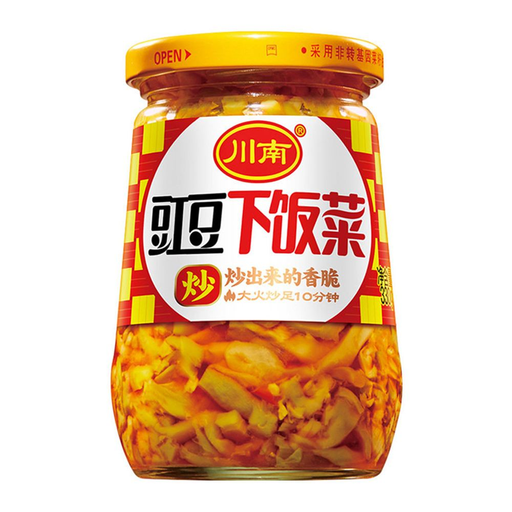
Why this fits the profile: The product description mentions a classic Sichuan style and positions the vegetable as a ready-to-eat side dish for rice or congee.
The quantitative ingredient declaration states 79.4% cowpeas and 3% chilli. Soya and gluten-containing cereals are listed as allergens.
330g; ready to eat; suitable with rice, congee and as a Sichuan-inspired flavour enhancer.
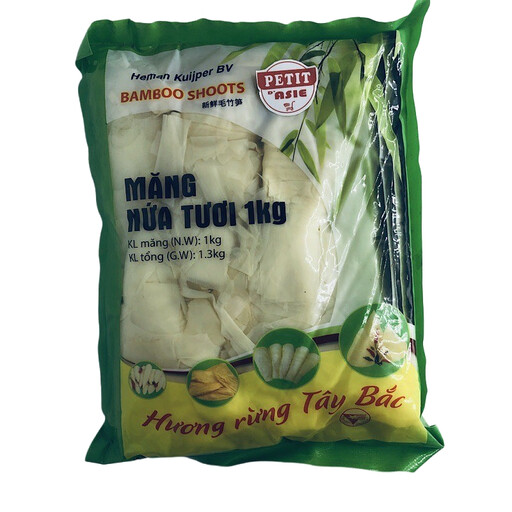
Why this fits the profile: The large pack is practical for anyone who often makes stir-fries, soups or curries with bamboo shoots.
The preparation instructions are clear: rinse, do not eat raw and heat thoroughly. This makes the intended use obvious.
1000g; only pre-cooked bamboo shoots listed as an ingredient; suitable for stir-fry, soup and curry.
We’ve put together a full, up-to-date list of products that fully meet these strict selection criteria and comply with current European safety regulations.
Store unopened products according to the label, usually in a cool, dry place. Put opened packs in the fridge when indicated and use them within the recommended period. Keep vegetables from a jar submerged in the brine if the packaging advises this.
You can use Chinese pickles in various ways:
No. Many zhacai and radish varieties are ready to serve straight away, but some pickled cabbage and bamboo shoots need to be rinsed and heated. Read the usage instructions on the packaging.
Briefly rinse the vegetables and let them drain if the product instructions allow. Then start with little extra soy sauce, stock or salt. Only season the dish at the end.
This varies by product. Some packs advise refrigeration and quick consumption; others give additional guidance. Always follow the label and check the smell, colour and packaging before using the product.
