
Vandaag of morgen in huis

Kwaliteit gegarandeerd

Welkomstaanbiedingen ontgrendelen: GRATIS bezorging | Tot 80% korting | Gratis 30 dagen JoyPlus-proefperiode
Download de app
A packet of pickled vegetables can add a wealth of flavour to a quick bowl of rice, noodles or congee. Yet Chinese table pickles, zhacai, pickled bamboo shoots and pickled peppers vary greatly in salt content, packaging, texture and use. If you only focus on an appealing product photo or the words “traditional” and “premium”, you could end up with a product that is too salty, doesn’t suit your dish, or needs to be used up quickly after opening.
As a Joybuy Product Recommendation Officer, I filter the most important information from product labels and descriptions. This way, you can compare Chinese pickled vegetables on verifiable points, without treating marketing claims as established fact.
Many pickled vegetables are sold in packets of 65 to 90 grams. That’s handy for one or two meals, but less suitable if you cook Asian dishes regularly. For a household that frequently makes rice, noodles or stir-fries, a multi-pack or larger bag can be more convenient.
So pay attention to:
Pickled vegetables are preserved with salt, acid, oil or a combination of these. If a product claims to have less salt, you should always check it against the nutritional information. For example, Bestore Wild Mountain Bamboo Shoots states on the product information that it contains 20% less salt than traditional recipes, but it still has 3.1 grams of salt per 100 grams.
Other products list more according to their labels. WuJiang Fresh-Pressed Mustard Tuber Slices states 6.0 grams of salt per 100 grams, while YUNSHANBAN Snow Vegetable lists 4.45 grams. So always look at the table per 100 grams, not just at words like “light” or “reduced salt”.
Brands can describe their methods or selection process in a positive light. According to Bestore’s own research, only certain young shoot tips are selected for their bamboo shoots, and a cold brine method is used. This gives information about the described production process, but it doesn’t automatically mean that every consumer will experience the same taste or texture.
So also check:
Zhacai, also known as pickled mustard tuber, usually has a savoury and salty taste. Pickled peppers and Sichuan-style vegetables can also be sour and spicy. Kimchi often has a fresher, fermented flavour and is typically stored chilled according to the product instructions.
If you want to combine the vegetables with an already salty soup, instant noodles or soya sauce, choose a milder variety or briefly rinse a suitable product. This can reduce the intensity of the flavour, but it doesn’t completely change the nutritional value.
The shape determines what you use the product for:
Note that a product labelled “ready to eat” isn’t always intended for cooking. For example, Obento Pickled Radish Whole is described in the product information as a ready-to-use side dish or flavouring, not for cooking.
Always read the full ingredients list for ready-to-eat Asian vegetables. Some varieties contain preservatives, colourings, sweeteners or flavour enhancers. That doesn’t necessarily make a product unsuitable, but it is relevant information for your purchase.
Examples from the product information:
If you have an allergy, always check the packaging of the delivery you receive. Labels can vary by market or production batch.
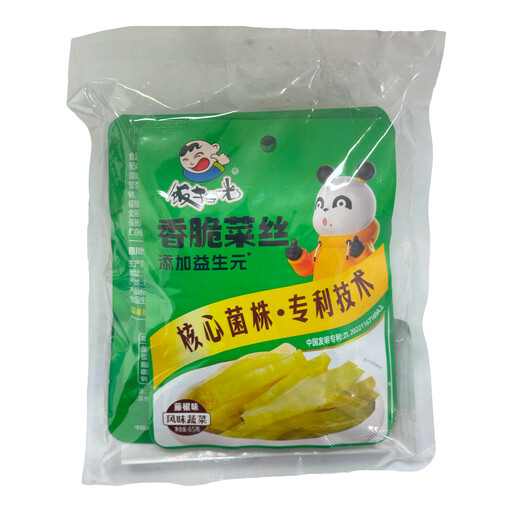
Why this fits the profile: The five individual portions are practical if you want to try zhacai or other Chinese pickles first without opening a large pack.
The multi-pack means you don’t have to store a large opened bag straight away. The ingredients list 67% pickled mustard tuber and 28% radish.
Five portions of 65 grams; suitable as a topping for rice, noodles or congee.
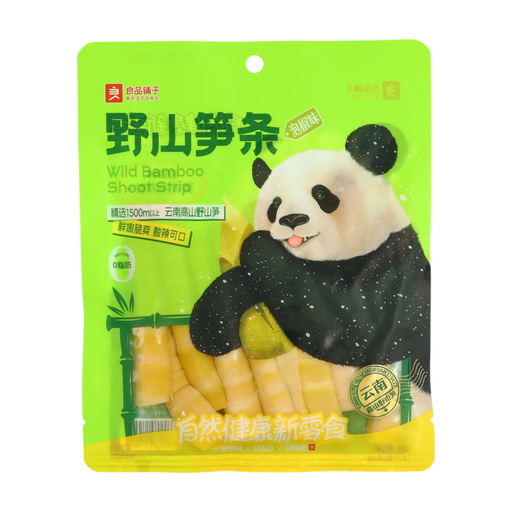
Why this fits the profile: This variety is interesting if you’re mainly looking for a crunchy texture and a combination of bamboo shoots with pickled peppers.
The product information states a clear main ingredient ratio of at least 70% bamboo shoots and more than 3% pickled chilli.
18 kcal and 0 grams of fat per 100 grams according to the product listing; ready to eat as a snack or side dish.
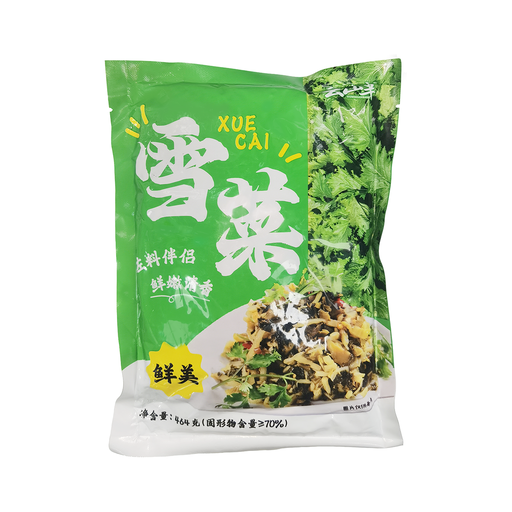
Why this fits the profile: The 464g bag suits households that often cook Chinese dishes and want a store-cupboard staple.
The larger pack makes the quantity clear upfront. The product information states 4.45 grams of salt per 100 grams, so you can adjust your portions.
Ready to eat with rice, noodles or steamed buns; also usable in stir-fries.
We’ve put together a full, up-to-date list of products that fully meet these strict selection criteria and comply with current European safety regulations.
Store unopened products according to the label, usually in a cool, dry place away from direct sunlight. Put opened bags or jars in the fridge if the packaging advises it, and use them promptly. Discard any packaging if there is leakage, mould, a bulging bag or an unusual smell.
They are vegetables preserved with salt, acid, spices, oil or fermentation. Well-known examples include zhacai, pickled mustard tuber, snow vegetable, pickled bamboo shoots and spicy cowpeas. The flavour can range from sour and fresh to savoury and spicy.
That isn’t always necessary. Ready-to-eat products can be served as they are. Rinsing or briefly soaking can be useful if you want to tone down the salty taste. However, do check the usage instructions and bear in mind that rinsing will change the flavour.
The shelf life after opening varies by product. Follow the packaging, store the product chilled if indicated, and use clean utensils. The best-before date does not automatically apply as a guideline for the period after opening.
