
Vandaag of morgen in huis

Kwaliteit gegarandeerd

Welkomstaanbiedingen ontgrendelen: GRATIS bezorging | Tot 80% korting | Gratis 30 dagen JoyPlus-proefperiode
Download de app
Chinese pickled vegetables quickly add acidity, saltiness, heat or umami to rice, noodles and congee. However, the range is not always easy to compare. One pack may contain a ready-to-eat side dish, while another is mainly intended for cooking. Terms such as Chinese pickles, fermented vegetables and Sichuan side dish are also sometimes used interchangeably.
These practical checks will help you avoid buying something that does not suit your dish, diet or storage habits.
A product may be pickled with salt, water, vinegar or food acids. For other products, the description refers to fermentation. This does not automatically mean that every product has the same flavour, texture or preparation method. So always check the ingredients list and the usage instructions on the packaging.
For example, Liu Bi Ju Pickled Cabbage is intended to be rinsed before cooking and then incorporated into a dish. According to the product information, Jixiangju Open-Flavor Pickled Mustard simply needs to be cooked or seasoned. This differs from ready-to-eat Chinese side dishes that you can serve straight away with rice.
Pickled vegetables often contain salt to support flavour and shelf life. However, the salt content varies considerably between products. The available product information, for example, lists 2,3 g salt per 100 g for Liu Bi Ju Pickled Cabbage, 4,86 g for Chuannan Appetizing Cowpeas and 10,2 g for Lao Gan Ma Spicy Vegetables.
A high salt content does not make a product unsuitable, but it is worth considering if you use several portions. Rinsing, draining and combining the product with unsalted rice or vegetables can affect the balance of flavours. Always refer to the label for complete nutritional information.
Packaging may refer to a traditional preparation method, an authentic flavour or a special technique. According to information provided by the brands concerned, a product may, for example, have a particular Sichuan or Chaozhou style. Then assess the contents using verifiable information, such as:
This helps prevent attractive descriptions from influencing your choice without you knowing how the product is intended to be used in your kitchen.
First check which main ingredient appears first in the list. Pickled radish, for example, may contain 90% radish, while a mixed Sichuan side dish may also contain oil, chilli, mustard greens, garlic and seasonings. Peng Sheng Pickled Mustard Stem lists mustard stem, fermented black beans and galangal, among other ingredients.
If you are vegetarian or vegan, also check compound seasonings. A product may appear plant-based but still contain soya, wheat or sesame. Soya and wheat are listed as allergens for Chuannan Appetizing Cowpeas. Green Dragon Sour Pickled Green Mustard lists mustard and sulphites.
Choose a ready-to-eat product if you are looking for a quick side dish for rice, noodles or congee. Examples include pickled mustard greens in individual portions, seasoned cowpeas and spicy radish.
Other products are mainly cooking ingredients. Liu Bi Ju Pickled Cabbage is sliced, making it practical for stir-fries, soups and dumpling fillings, but the product information recommends rinsing and cooking thoroughly. Also check whether excess moisture needs to be squeezed out. This helps prevent a stir-fry from becoming watery.
A 71 g x 5 pack is convenient for individual meals or taking on the go, while a 500 g bag may offer better value if you cook with these ingredients regularly. A large pack is less practical if you only occasionally eat Chinese snacks or pickles.
Pay attention to the instructions after opening. Many products must then be refrigerated and consumed quickly. Unopened products are often stored in a cool, dry place away from sunlight and heat. Do not use a pack if it is damaged, and check the use-by or best-before information on the label.
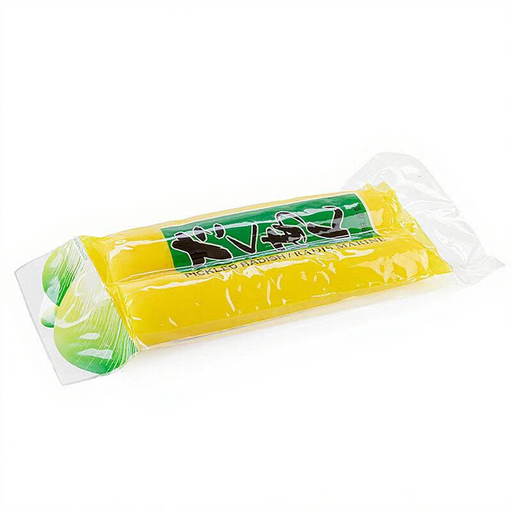
Why it suits this profile: The half-cut pickled radish is easy to serve with rice, noodles or a quick meal. The product information lists 90% yellow radish and a sweet-and-sour flavour.
The product page lists the ingredients, allergens and nutritional values. This allows you to check the flavour and composition rather than relying solely on the product name.
350 g pack; sweet-and-sour flavour; suitable as a ready-to-eat side dish.
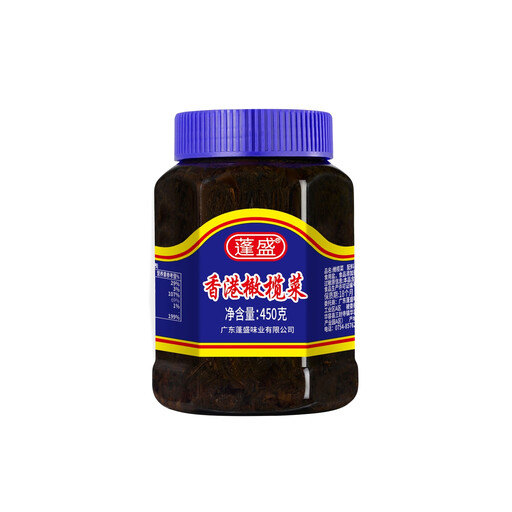
Why it suits this profile: The combination of mustard greens and green olives is designed for those who enjoy a fuller, savoury side dish from southern China.
The product information clearly lists the allergens present: mustard, soya and sesame. This makes it easier to check the product in advance.
450 g jar; suitable for congee, rice, noodles and stews; refrigerate after opening.
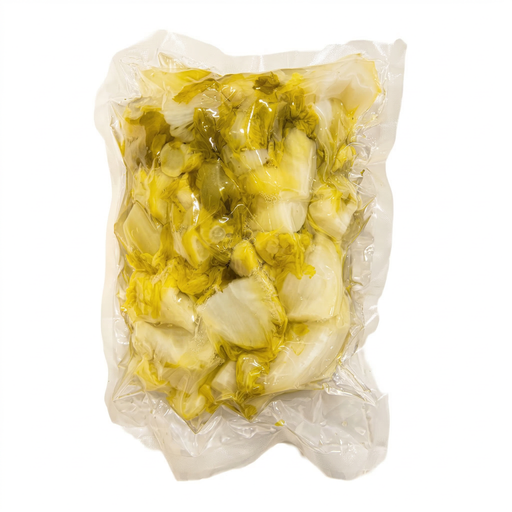
Why it suits this profile: The 1 kg pack is suitable for households and home cooks who regularly make stir-fries or soup, or use larger quantities of side dishes.
The weight is clearly stated, so you can match the contents to regular use without being left with several small packs.
1 kg contents; 98% Chinese cabbage according to the product information; suitable for stir-fries, soup, hotpot and serving as a side dish.
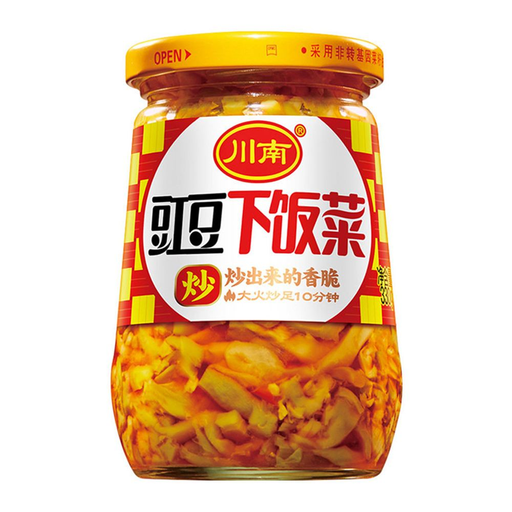
Why it suits this profile: This ready-to-eat Sichuan side dish is ideal for anyone who wants spicy, savoury flavours with rice or congee without pickling anything themselves.
The ingredients list includes 79,4% cowpeas, 3% chilli, soya and wheat, among other ingredients. This allows you to take the level of heat and allergens into account in advance.
330 g; ready to eat; suitable with rice and congee; refrigerate after opening.
We have compiled a complete, up-to-date list of products that fully meet these strict selection criteria and the applicable European safety regulations.
Chinese pickles is a broad term for pickled or fermented vegetables such as radish, mustard stems and cabbage. Sauerkraut is generally made from white cabbage and has a different flavour profile. Check each product to see whether it uses fermentation, acetic acid or another preservation method.
Not always. With salty products, rinsing can make the flavour milder. Liu Bi Ju Pickled Cabbage explicitly recommends rinsing before cooking. With ready-to-eat side dishes, rinsing may instead remove some of the seasoning. So follow the product instructions and taste a small amount.
This varies by packaging and recipe. Many products must be refrigerated after opening and consumed quickly. Seal the pack securely, use clean utensils and always check the label for storage instructions. The best-before date does not automatically apply in the same way once the packaging has been opened.
