
Vandaag of morgen in huis

Kwaliteit gegarandeerd

Welkomstaanbiedingen ontgrendelen: GRATIS bezorging | Tot 80% korting | Gratis 30 dagen JoyPlus-proefperiode
Download de app
Fans of authentic Chinese cuisine know that the right pickled vegetables can make or break a dish. But the search can be frustrating. Packaging is often unclear, and the result can be an overly salty or limp addition to your meal. Before you buy another jar that gets lost in the back of the fridge, it's helpful to know a few common pitfalls.
A common mistake is confusing a ready-to-eat side dish with an ingredient that requires preparation. You think you're buying a quick addition for your rice, but you end up with a product that needs to be soaked for hours first. Another disappointment is an imbalance in flavour. Many commercial Chinese pickles are overloaded with salt or oil, completely overpowering the subtle flavours of your main course.
To avoid a bad purchase, it's useful to pay attention to a few specific product features. This will help you find exactly what you need for your dish.
Not all pickled vegetables are the same. The texture and flavour are determined by the base vegetable and the preservation method. Some popular types include:
Check the packaging and ingredient list to determine how the product should be used.
The ingredient list provides the best indication of the flavour profile. Look for terms like chilli (辣椒), Sichuan peppercorns (花椒) for a spicy pickled vegetables variant. The presence of sugar (糖) indicates a sweeter balance, while soy sauce or MSG (ve-tsin) points to a deeper umami flavour. Products with a high salt content (盐) are often meant to be rinsed before use.
Based on clear product features and intended uses, we have selected a few options that cater to different preferences.
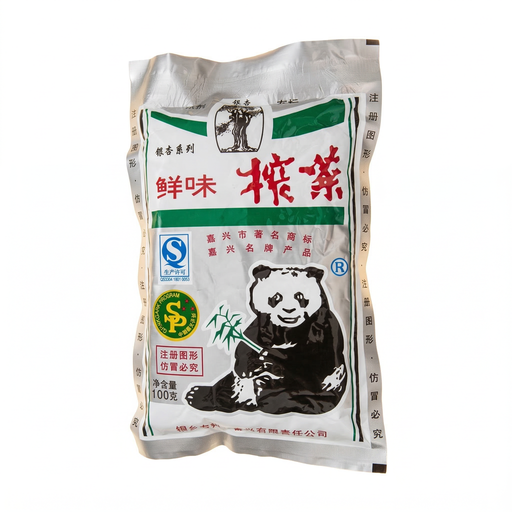
Why This Fits Their Persona: Ideal for those looking for an authentic flavour enhancer quickly and without fuss. This classic zhacai is one of the most well-known Asian side dishes and is perfect for instantly adding depth to a simple bowl of rice or noodles.
This product is clearly labelled as a ready-to-eat side dish. The small portion-sized packaging prevents waste, and you know exactly what you're getting: a crisp, salty flavour enhancer with no surprises.
Classic, recognisable flavour. Convenient single-use portion pack.
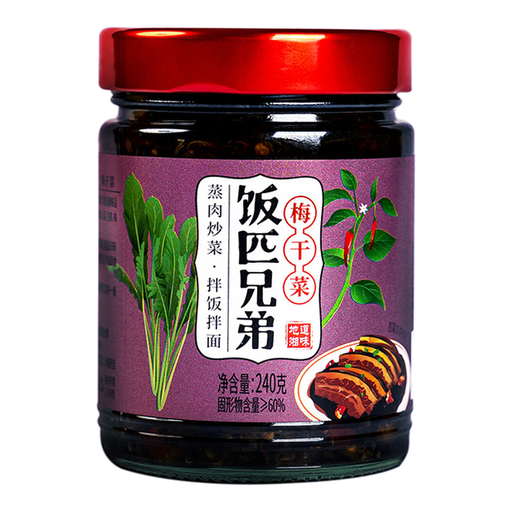
Why This Fits Their Persona: For the cook searching for that one specific ingredient for a traditional dish. This is mei gan cai, indispensable for making authentic dishes like steamed pork belly.
This product is clearly presented as a cooking ingredient, not a snack. Its deep, concentrated flavour is meant to be integrated into a dish, which avoids the pitfall of an overly salty or overpowering side dish.
Essential for traditional braised dishes. Offers a complex, deep umami flavour that cannot be replicated.
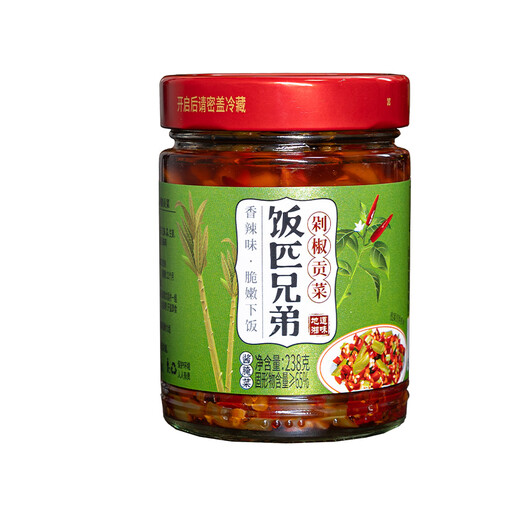
Why This Fits Their Persona: For those who want to try something different from the standard pickled vegetables. The Gong Cai (asparagus lettuce) offers a surprisingly crunchy texture, combined with a spicy Hunan-style chilli oil.
This product avoids the pitfall of a bland, one-dimensional flavour. The combination of its unique texture and distinct spicy taste creates an interesting culinary experience you won't soon forget.
Unique, extremely crunchy texture. Distinct and spicy flavour, characteristic of Hunan cuisine.
We have compiled a complete, up-to-date list of products that meet these selection criteria and current regulations.
How do I know if Chinese pickled vegetables are spicy? Check the ingredient list for the presence of chilli peppers (辣椒), chilli oil (辣椒油), or Sichuan peppercorns (花椒). Products from regions like Sichuan, Hunan, or Chongqing are known for their spicy flavours. The colour of the oil in the jar can also be an indication; a deep red colour often signifies chilli.
Should I rinse pickled vegetables before use? That depends on the product and your personal preference. Very salty varieties, such as salted mustard cabbage or mei gan cai, are often briefly rinsed or soaked to remove excess salt before being incorporated into a dish. Ready-to-eat side dishes in oil usually do not need to be rinsed, as the marinade is part of the flavour. Some packaging provides instructions on this.
How long do Chinese pickled vegetables last after opening? Most pickled vegetables can be kept in the refrigerator for several weeks to months after opening. Always use a clean spoon to take a portion from the jar to prevent contamination. Store the product in its original brine or oil and seal the jar tightly. Always consult the label for specific storage advice.
