
Vandaag of morgen in huis

Kwaliteit gegarandeerd

Welkomstaanbiedingen ontgrendelen: GRATIS bezorging | Tot 80% korting | Gratis 30 dagen JoyPlus-proefperiode
Download de app
Chinese pickled radish is a handy way to add extra flavour to rice, noodles or congee in no time. However, these Chinese pickles can vary considerably in texture, seasoning, pack size and salt content. A packet labelled “dried radish”, for example, might contain soft strips, while other products come as crunchy cubes or pickled mustard tuber.
So the key question isn’t just which pack looks appealing, but how you plan to use the product. Keep the points below in mind to avoid choosing the wrong one.
Not every Chinese pickled vegetable is radish. Zhacai is made from pickled mustard tuber or mustard stem and usually has a firmer, savoury texture. Products labelled “radish” or “dried radish” are generally softer and go well with rice, buns and noodles.
So check the ingredients list. You might see “radish”, “white radish”, “mustard tuber” or “mustard stem”. This distinction matters if you’re specifically looking for radish as a side dish.
“Spicy”, “double pepper” or “sour and spicy” gives you an idea of the flavour, but not a precise indication of how hot it is. Check the ingredients and see whether chilli appears near the top of the list. Oil, sugar, spices and flavour enhancers also affect the final taste.
According to the product description for FSG Dried Radish-Spicy 300g, the product is made up of 79.6% radish and contains 2% chilli, sesame and spices. That suggests a seasoned, snack-style topping rather than a mild pickled vegetable.
A 300-gram jar or bag may seem like good value, but once opened, the product may need to be refrigerated and used within the recommended period, as stated on the pack. Individual 60, 65 or 80-gram sachets are more practical for lunch boxes, smaller households and catering.
Also check the difference between net weight and the number of portions. A pack of 65 grams × 5 contains 325 grams, while four 60-gram sachets provide 240 grams in total.
If you want a clear radish flavour, the percentage of radish is worth checking. In the product information available, this ranges from 79.6% to at least 90% or 93%. A higher percentage doesn’t automatically mean better flavour, but it does make it easier to compare the ingredients.
Pickled vegetables often contain a relatively high amount of salt. Product details for various options show salt levels of around 4.1 to 6.0 grams per 100 grams. So use a small amount as a seasoning, rather than adding a whole pack to one meal.
Also check for sesame, sulphites, soya, mustard and wheat. FSG Dried Radish-Spicy 300g lists sesame and sulphites as allergens. WuJiang Fresh-Pressed Mustard Tuber Slices 80g lists mustard tuber as its pickled main ingredient. Always follow the information on the label of the pack you receive.
A ready-to-eat product is only practical if its packaging suits the way you’ll use it. Check for:
The products below have been selected based on their listed ingredients, weight, portion packaging and usage instructions.
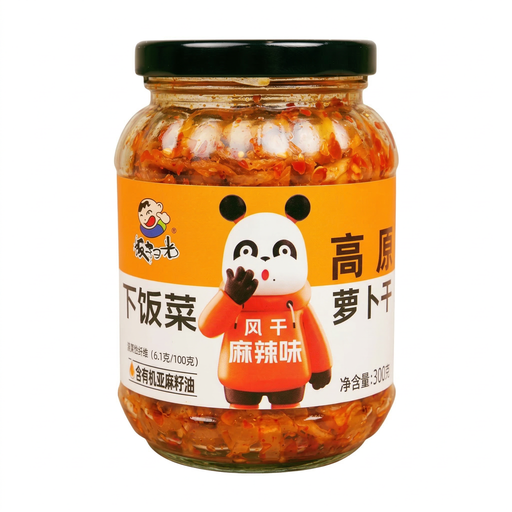
Why it suits this profile: The 300-gram pack is practical if you want to use Chinese pickled radish in several meals. The product description suggests serving it with rice, noodles, porridge or stir-fries.
The product information lists 79.6% radish, a 300-gram net weight and clear allergen information for sesame and sulphites. This means you can check the ingredients in advance.
Ready to eat, seasoned with chilli and sesame, and suitable as a topping or a side dish on its own. The stated salt content is 5.99 grams per 100 grams.
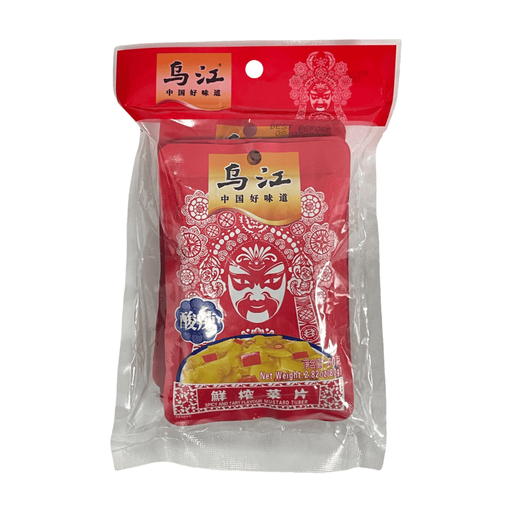
Why it suits this profile: This option is aimed at fans of pickled mustard tuber with a firm, sliced texture. The small pack is a good choice if you’d like to try a particular type of zhacai first.
The product name and ingredients list mustard tuber rather than radish, making it clear in advance how it differs from ordinary dried radish.
80 grams, ready to eat and suitable with congee or noodles, or as an ingredient. The stated salt content is 6.0 grams per 100 grams.
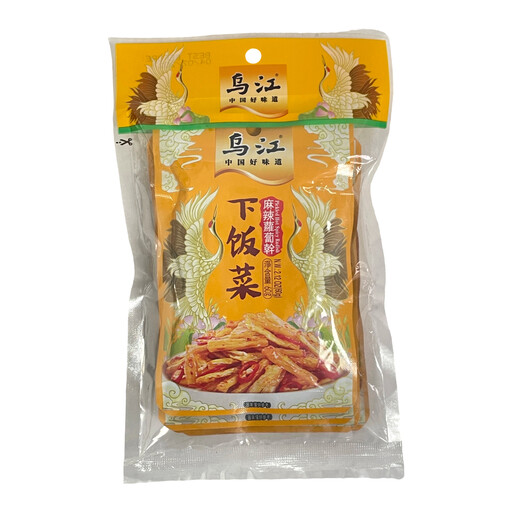
Why it suits this profile: Four individual portions are handy for households, lunch boxes, catering or regular meals with rice and noodles.
The multipack means you won’t have to leave a large opened pack sitting around for too long. The product information lists 93% radish and 60 grams per sachet.
240 grams in total, spicy seasoning and portions ready to serve with porridge, rice, noodles or steamed dishes.
We’ve put together a complete, up-to-date list of products that meet these strict selection criteria and current European safety requirements.
Use a small amount to add contrast to mild dishes. Strips can be served straight over white rice, noodles or congee. You can mix cubes into fried rice or add them briefly to a stir-fry. Taste the dish before adding extra soy sauce or salt, as pickled vegetables can already be quite savoury.
To tone down the heat, serve the radish with a larger portion of rice, egg, tofu or vegetables. This won’t change the ingredients in the product, but it will spread the flavour more evenly through the meal.
Chinese pickled radish is made from radish and often comes as strips, cubes or dried vegetables. Zhacai is pickled mustard tuber or mustard stem. Zhacai usually has a firmer bite and a distinctly savoury flavour. Always check the main ingredient on the label.
It varies by product. Many packs advise refrigerating the product after opening and using it within a few days or the recommended period. Seal the pack securely, use clean cutlery and follow the instructions on the packaging. The best-before date applies before opening and doesn’t automatically tell you how long the product will keep once opened.
Yes. The product descriptions for the options listed mention rice, noodles, congee and steamed dishes as serving suggestions. Choose strips if you want to spread the radish easily, and individual sachets if you prefer to open a set portion for each meal.
