
Vandaag of morgen in huis

Kwaliteit gegarandeerd

Welkomstaanbiedingen ontgrendelen: GRATIS bezorging | Tot 80% korting | Gratis 30 dagen JoyPlus-proefperiode
Download de app
Chinese noodles come in many forms: from thin dried noodles for a light broth to broad noodle sheets served with a spicy sesame sauce. The range of Asian noodles also includes instant noodles, rice and sweet potato noodles, as well as large-format packs for families and food-service use.
However, the packaging does not always tell you exactly what you are buying. Terms such as “hand-pulled,” “authentic” or “extra chewy” may reflect brand positioning rather than an officially verified characteristic. According to the brand’s product description, you should therefore assess such claims alongside the ingredients, dimensions and preparation method.
Thin noodles can work beautifully in a clear soup, but they lose their bite more quickly in a stir-fry sauce. Broad noodles hold more sauce, making them a good match for Dan Dan noodles, spicy noodle dishes and cold noodle recipes. For hotpot, choose noodles that do not fall apart as soon as they start cooking.
Check the product description and, where available, the width and thickness of the noodle. Some dried noodles, for example, specify a length of 20 cm and a square cross-section.
A 1.8 or 2 kg pack may appear cost-effective per serving, but it takes up space and requires proper storage. Once opened, dried noodles can absorb moisture. Store them in a cool, dry place in a well-sealed container. Also make sure you will use the noodles within the stated shelf life.
A large pack of noodles is practical for families, meal preparation, restaurants and enthusiasts who regularly make stir-fries or noodle soup. For occasional use, a 400–500 g pack is often easier to manage.
With instant noodles, the biggest difference in flavour often comes from the sauce sachets and seasonings—not just the noodle block itself. Broad instant noodles with sesame paste deliver a very different result from a pack containing a hot chilli oil. Check the allergens, salt content and serving size before ordering.
Product information may list wheat, soy, sesame, peanuts, mustard or egg. If you have an allergy, always check the current packaging.
Dried noodles are often made from a relatively simple base, such as wheat flour, water and salt. They work well in soups, stir-fries, cold noodle dishes and hotpot, but require cooking in a pan. Recommended cooking times vary by type: many varieties in the range soften after around four to five minutes.
Instant noodles are designed for speed. For some products, soaking in boiling water for five to six minutes is all that is required. Other varieties include several sachets containing sauce, oil and seasonings. Check whether draining is necessary; with broad noodles served with sauce, this has a major impact on the final texture.
Wheat noodles are known for their firm, elastic bite and work well in Lanzhou noodles, Sichuan noodles, Shanghai noodles and stir-fry dishes. Rice noodles generally have a lighter texture and are often used in stir-fries or soups.
Sweet potato noodles are translucent and absorb plenty of flavour. According to the product description, the Lan Qiu variety is made from sweet potato starch and water. The packaging recommends soaking or boiling until the desired softness is reached. Always check the preparation instructions, as not every starch-based noodle has the same cooking time.
Compare nutritional information on the same basis: per 100 grams. Pay particular attention to salt, fat and the presence of added sauce. With dry noodles, the value per 100 grams says little about the finished dish if you also add oil, broth or sauce.
With instant varieties, the seasoning and oil sachets may provide a significant proportion of the salt and fat. That does not make them unsuitable, but it is worth considering when planning portions or ingredients.
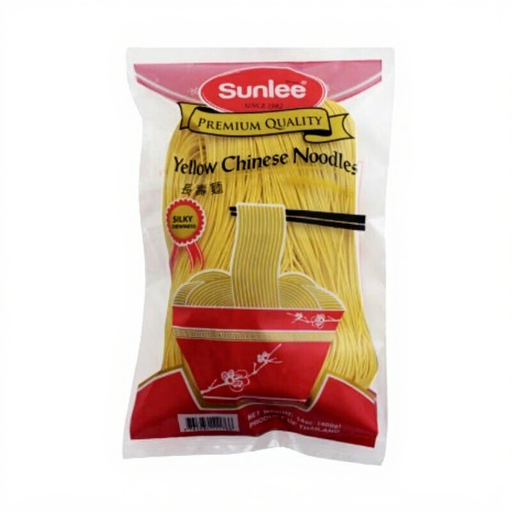
Why This Fits Their Persona: A manageable pack for anyone trying Chinese noodles for the first time in soup or a simple stir-fry.
The product description specifies a cooking time of 2 to 4 minutes and clearly states that the noodles can be rinsed after cooking.
400 g pack; ingredients listed in the product information: wheat flour, water, salt and turmeric.
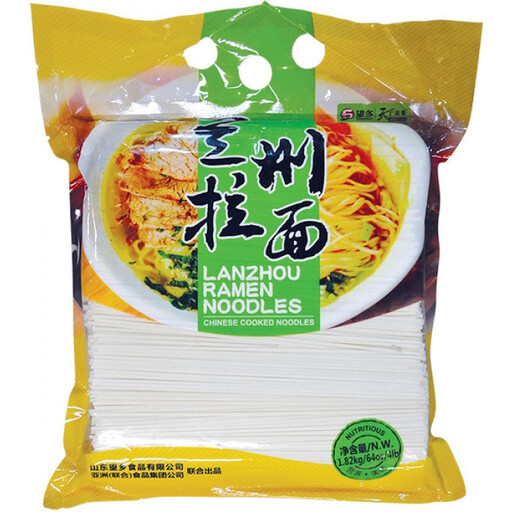
Why This Fits Their Persona: For home cooks looking for a substantial wheat noodle to serve with broth, toppings and Lanzhou-style noodle soup.
The packaging lists simple ingredients: wheat flour, water and salt. This makes the base straightforward to assess.
1.82 kg bulk pack; according to the product description, the noodles are firm and resilient when cooked in boiling water.
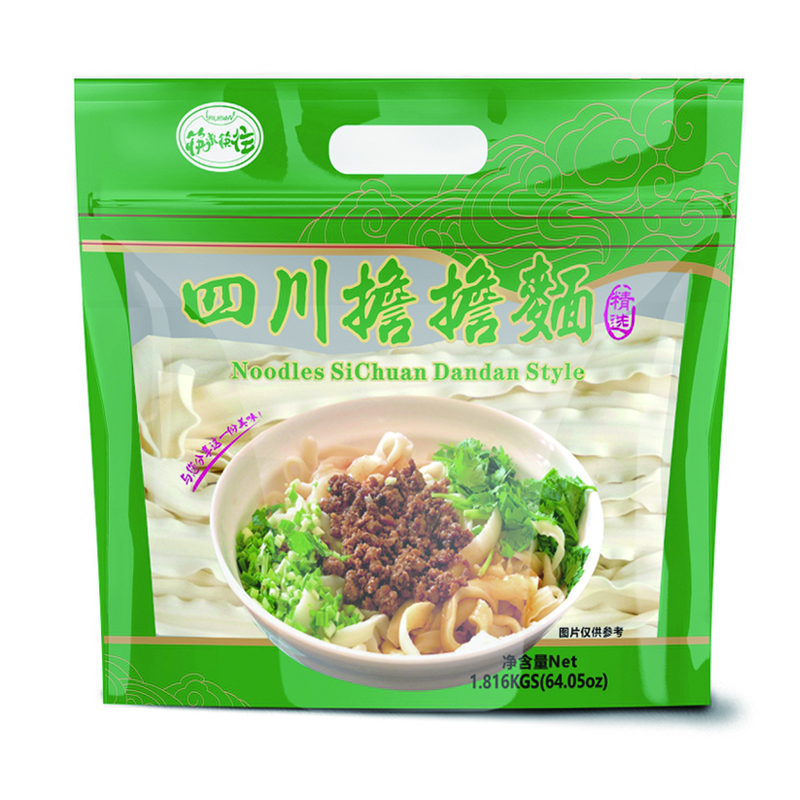
Why This Fits Their Persona: Suitable for families, food-service operations and home cooks who regularly prepare Sichuan or Dan Dan noodles.
The specifications list round noodles approximately 0.125 cm wide, with a cooking time of around five minutes.
Large pack; according to the product information, suitable for soup, stir-fries, cold noodles and hotpot.
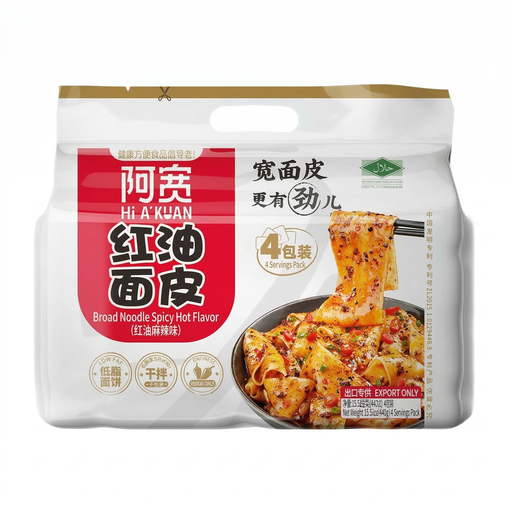
Why This Fits Their Persona: Ideal for students, busy households and fans of broad, spicy noodles without lengthy cooking.
The preparation method is clear: soak for five to six minutes, drain, then add the included sauces and seasonings.
Broad, chewy noodle sheets; 440 g pack with chilli oil and seasonings according to the product description.
Browse a current selection of traditional Chinese noodles and compare varieties, pack sizes, ingredients and preparation methods for your kitchen.
Use plenty of boiling water and gently separate the noodles as they cook. Follow the cooking time stated on the packaging. For stir-fries, you can cook the noodles slightly less, as they will continue cooking in the pan. Rinse them after cooking when the product instructions recommend it, especially if you plan to stir-fry them later.
For soup, add the noodles only once the broth is ready. This prevents excess starch from unnecessarily thickening the broth. With cold noodle dishes, briefly rinsing the noodles under cold water helps stop the cooking process.
Choose firm wheat noodles, Shanghai noodles, broad noodles or varieties that the packaging says can be rinsed after brief cooking. Thin noodles are suitable when you prefer a lighter texture.
No. Some snacks are described as ready to eat, but instant noodles usually need to be prepared with boiling water first. Also check whether the water should be drained before adding the sauce.
Store dried noodles in their original, tightly sealed packaging or in an airtight storage container. Keep them in a cool, dry place away from direct sunlight and moisture. After opening, check the shelf-life information and storage instructions on the packaging.
