
Vandaag of morgen in huis

Kwaliteit gegarandeerd

Welkomstaanbiedingen ontgrendelen: GRATIS bezorging | Tot 80% korting | Gratis 30 dagen JoyPlus-proefperiode
Download de app
Buying Chinese noodles seems simple—until you have to choose between thin strands, wide ribbons, hand-rolled noodles, Lanzhou noodles, and instant noodles with multiple seasoning sachets. Packaging often promises a traditional texture or regional flavour, but the practical differences are mainly found in the ingredient list, cooking time, and pack size.
As a Joybuy Product Recommendation Officer, I therefore focus on verifiable information: the type of flour, shape, preparation method, allergens, nutritional values, and packaging format.
Terms such as hand-pulled noodles, hand-rolled noodles, and Lanzhou noodles often refer to a particular style or shape. Packaged dried noodles are not the same as dough freshly stretched by hand. Always check whether the product is dried, ready to cook, or designed to be prepared directly with hot water.
A product may imitate the texture of hand-pulled noodles according to the brand description, while in practice simply being a dried wheat noodle. That is not necessarily a problem, but it does affect your expectations.
Soba is often associated with buckwheat noodles. However, a product called soba noodles may sometimes consist entirely or largely of wheat flour. For example, the product information for Jin Shahe Soba Noodles lists wheat flour, water, and salt. If you are specifically looking for buckwheat, always check the percentage of buckwheat flour.
A 1.8- or 2-kilogram family pack of noodles can be useful for households, meal preparation, or frequent cooking. For someone who only eats noodles occasionally, a smaller pack may be more practical. Once opened, dried noodles should be stored tightly sealed and in a dry place. Otherwise, they may lose quality or absorb moisture.
Instant noodles come with a different pitfall: multiple sauce and seasoning sachets add plenty of flavour, but may also contribute a relatively high amount of salt. Yuanxianxian Sweet Potato Noodles, for example, list approximately 1,800 mg of sodium per 100 grams. If you prefer a milder meal, consider using only part of the seasoning oil or sauce.
Most Chinese dried noodles in this range contain wheat flour and gluten. This includes knife-cut noodles, thin noodles, and Lanzhou-style noodles. If you have an allergy, always check the packaging rather than relying solely on the product name.
For buckwheat noodles, the proportion of buckwheat and the remaining ingredients are both relevant. According to the product information, BaiXiang Buckwheat Noodles contain 15% buckwheat flour alongside wheat flour. YAN ZHI FANG Rye Buckwheat Mixed Grain Noodles contain 35% rye flour and 27.6% buckwheat flour. These products are therefore not automatically gluten-free.
Dried Chinese noodles generally need to be boiled. Stated cooking times range from approximately 2 to 8 minutes. Thin noodles are ready sooner, while wide or thicker varieties require more time.
Instant noodles can be quicker, but “instant” does not always mean that they can be prepared simply by soaking them dry. According to the instructions, A’KUAN Broad Noodle Sesame Paste Flavor should be covered with approximately 500 ml of boiling water and left for 4 to 5 minutes. The Yuanxianxian variant is also prepared by soaking.
When cooking noodles, use plenty of water and stir carefully to prevent them from sticking together. For a cold dish, briefly rinse the noodles with cold water and drain them thoroughly.
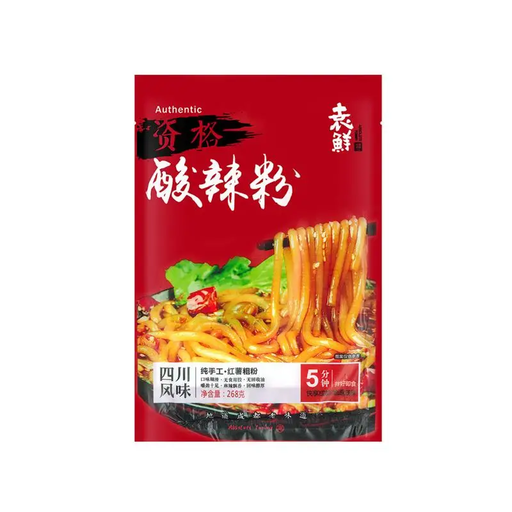
Why it suits this profile: The single-serving pack includes noodles, sauce, vinegar, chilli oil, and dried vegetables, requiring minimal preparation. It is ideal for a quick meal on a busy working day.
The instructions and separate seasoning sachets make it clear what you are buying: an instant meal rather than a neutral noodle base. The level of spiciness can be adjusted according to the product description.
Smooth sweet potato noodles, complete flavour components, and a net weight of 268 grams. Please note: contains peanuts and sesame.
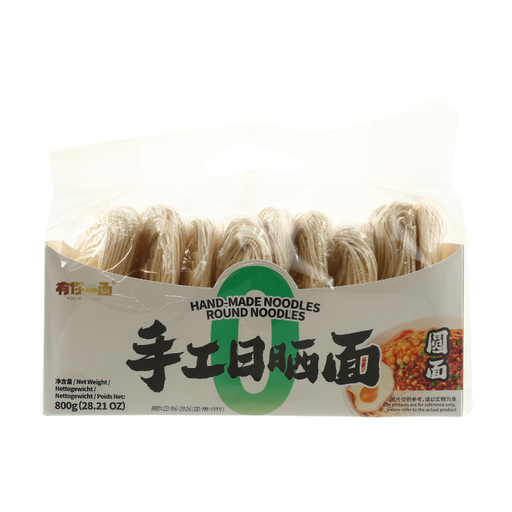
Why it suits this profile: These round hand-rolled noodles are designed as a versatile base for soups, stir-fries, and cold noodle dishes.
The product information clearly lists wheat flour, water, and salt. You are therefore paying for a straightforward dried noodle rather than an unspecified flavour blend.
800 grams of product, a stated cooking time of 5 to 8 minutes, and 13.5 grams of protein per 100 grams according to the product information.
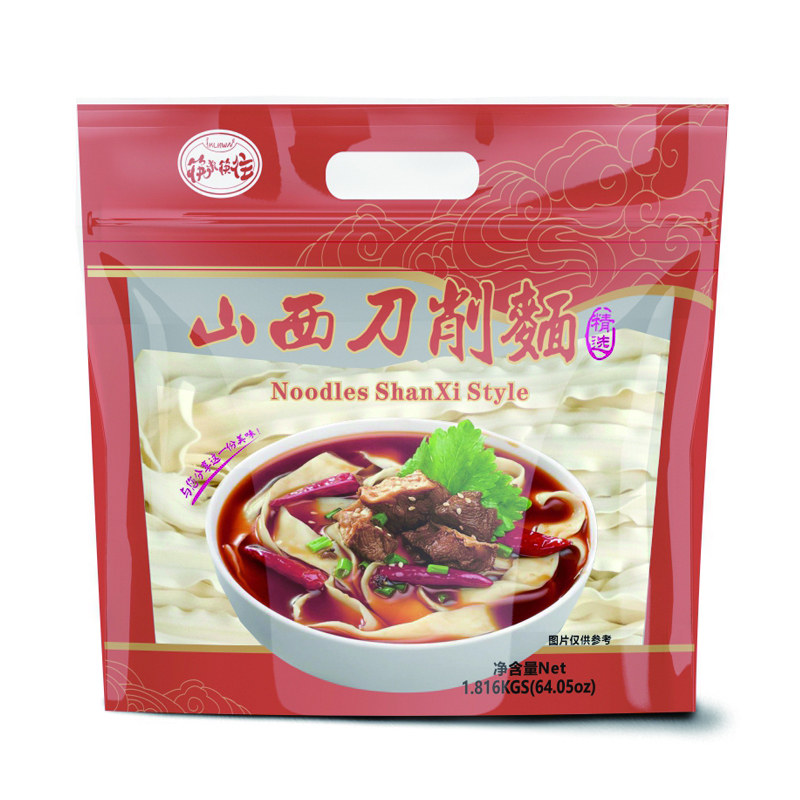
Why it suits this profile: The large pack is aimed at households that cook frequently, prepare multiple portions, or want to keep noodles on hand for soups, stir-fries, cold dishes, and hotpot.
The product information specifies the dimensions: approximately 20 cm long, 0.5 cm wide, and 0.9 cm thick. This gives you a clearer impression than the term “wide noodles” alone.
1.816 kilograms of product, a cooking time of approximately 5 minutes, and a shape that, according to the product description, pairs well with broth.
We have compiled a complete, up-to-date list of products that fully meet these strict selection criteria and the applicable European safety regulations.
For dried noodles, use a large pan of boiling water. Add the noodles once the water is fully boiling and stir gently at the beginning. Follow the cooking time stated on the packaging, but test a strand one minute earlier if you prefer a firmer bite.
For stir-fries, cook the noodles slightly less than usual and drain them afterwards. They will continue cooking in the wok. Wide knife-cut noodles absorb plenty of sauce, so add the sauce gradually. For cold Asian noodle dishes, briefly rinse the noodles before combining them with dressing, vegetables, or sesame.
Before buying, also check:
Chinese noodles come in many shapes and styles, usually made from wheat flour, water, and salt. Examples include thin strands, round hand-rolled noodles, knife-cut ribbons, and Lanzhou-style noodles. The shape affects the bite and how the noodles absorb sauce or broth.
No. Chinese dried noodles often contain only the noodles themselves and need to be boiled in a pan. Instant noodles are usually supplied with seasonings and can sometimes be prepared in a bowl with boiling water. Always check the specific preparation instructions.
This depends on the product and its best-before date. After opening, store the noodles in a dry, airtight container away from direct sunlight and moisture. Ideally, use opened noodles promptly and follow the information on the packaging.
