
Vandaag of morgen in huis

Kwaliteit gegarandeerd

Welkomstaanbiedingen ontgrendelen: GRATIS bezorging | Tot 80% korting | Gratis 30 dagen JoyPlus-proefperiode
Download de app
Chinese noodles come in many forms, from thin dried wheat noodles to broad Sichuan noodles, rice vermicelli and spicy instant varieties. The wide selection is useful, but it can also make choosing more difficult. Attractive packaging tells you little about the texture, portion size or salt content.
Pay particular attention to these three common pitfalls:
The main ingredient largely determines the bite and preparation method.
Dried Chinese wheat flour noodles are suitable for soup, stir-fries and cold noodle dishes. Thin varieties, such as longxu or “dragon whisker” noodles, cook quickly. Broad and hand-cut noodles generally hold more sauce and offer a firmer bite.
Pay attention to:
Glass noodles are often made from sweet potato starch, tapioca starch or a combination of the two. They become translucent when cooked and work well in hotpot, stir-fries and spicy sauces. The texture is usually smooth and elastic.
Preparation varies from product to product. According to the product information, Haidilao Hot Pot Sweet Patato Noodle 200g should be boiled for 5 to 8 minutes. SHIZU ENERGY Mala Hot Pot Tripe-Style Instant Glass Noodles 150g are intended for quick preparation with hot water. Always check whether boiling is required or whether soaking is sufficient.
Rice vermicelli is generally thin and light in texture. Konjac noodles, such as Yu Quan Konjac Noodles 380g, are sold as a low-calorie option. According to the product information, this variety contains 6 kcal per 100 grams of drained product. This does not automatically mean that a complete meal will be low in calories: sauce, oil, meat and toppings all count.
Rinse water-packed konjac noodles thoroughly and boil them briefly according to the label. The packaging states that this helps reduce their natural odour. After opening, also check the storage instructions, as these differ from those for dried noodles.
Choose the shape based on the dish:
The product description may also specify the dimensions. For example, Kuai Lai Kuai Wang Shanxi knife-cut noodles are described as approximately 0.5 cm wide and 0.9 cm thick. This type of information is more useful than a general claim about a “rich texture”.
Large packs are worth considering if you use noodles regularly. Bai Xiang Longxu Noodles contains 1 kilogram, while Chunsi Chongqing Noodles comes in a 2-kilogram pack. Check whether you can store the bag in an airtight, dry place protected from moisture and pests after opening.
Single-serving packs are more practical for work, studying or a quick meal. With cups and sachets, check the preparation time and what else you need to add. Some products only require hot water, while others need to be cooked in a pan.
Review the ingredients in the order shown on the label. With ready-to-eat spicy noodles, oil, salt, flavour enhancers and sauces can make up a significant part of the meal. The SHIZU ENERGY variety lists soya, wheat and sesame among its allergens. Dan Dan and Sichuan-style products often contain chilli and Sichuan pepper, but the intensity varies from recipe to recipe.
If you prefer less heat, use only part of the oil or seasoning sachets and add your own vegetables, egg or tofu. This changes the flavour and nutritional value, so assess the finished dish based on the complete preparation.
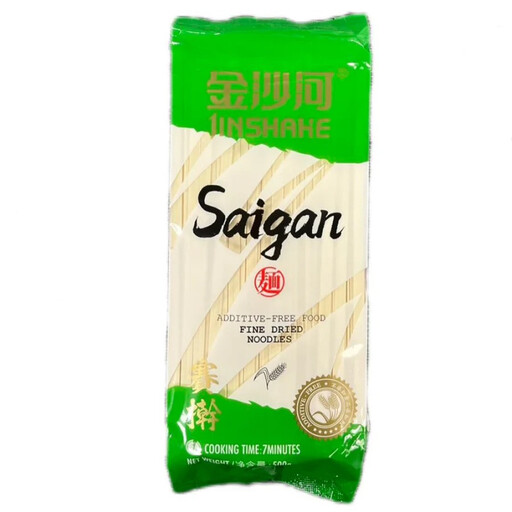
Why it suits this profile: A 500-gram pack is a manageable choice if you want to try Chinese noodles without immediately buying a large pack.
The product information lists wheat flour, water and salt, along with clear preparation instructions. You are therefore buying a neutral base rather than an unclear complete mix.
500 g contents; suitable for soup, stir-fries and cold noodles; 5-minute cooking time according to the product information.
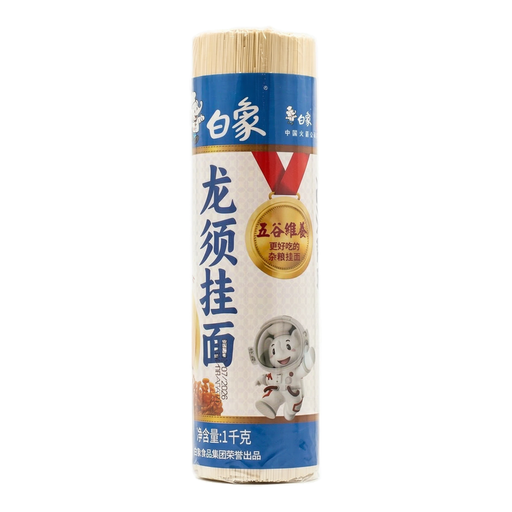
Why it suits this profile: The very thin longxu noodles are designed for quick preparation and, according to the product description, offer a firm bite.
The ingredients list is limited to wheat flour. This makes it clear that you decide on the stock, sauce and toppings yourself.
1 kg pack; cooking time of 5 to 6 minutes; suitable for soup and saucy dishes.
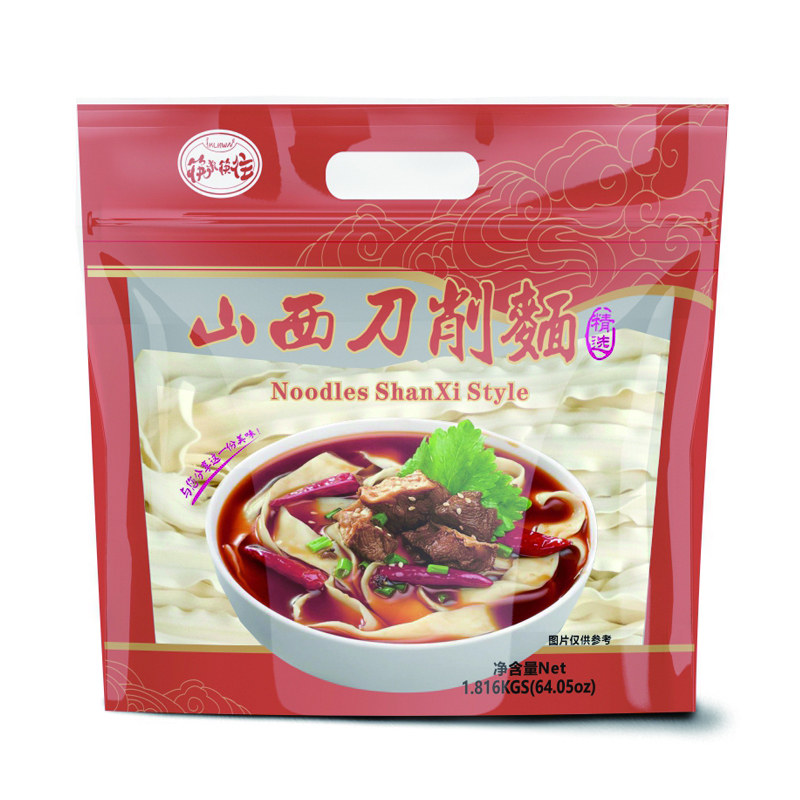
Why it suits this profile: The broad, thick noodles are suitable for hearty soups, stir-fries and hotpot noodle dishes.
The stated length, width and thickness make the shape easy to verify. You do not have to rely solely on a photo or a general marketing term.
1,816 kg contents; 5-minute cooking time; according to the product information, suitable for soup, stir-fries, cold preparations and hotpot.
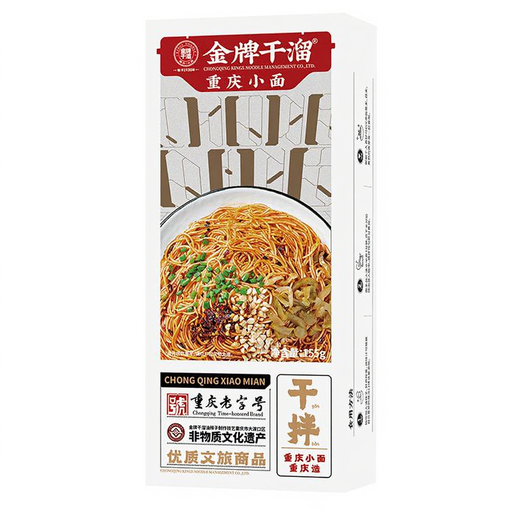
Why it suits this profile: This portion is based on Chongqing-style noodles with several flavourings, including chilli oil and Sichuan pepper oil.
The flavourings are packaged separately. This allows you to adjust the amount of chilli oil and sauce to suit your taste.
155 g portion; cooking time of 2 to 3 minutes; allergens such as wheat, sesame and soya are listed.
We have put together a complete, up-to-date list of products that fully meet these strict selection criteria and the applicable European safety regulations.
When cooking dried noodles, use plenty of boiling water and stir during the first few minutes to prevent them from sticking. Only rinse noodles after cooking if the recipe calls for it, for example when making cold noodles or a stir-fry. For soup, you can usually serve them directly in the stock.
With instant products, the stated amount of water is important for achieving the right balance of flavour. With a spicy variety, start by adding some of the oil and build up the flavour gradually. Add egg, pak choi, spring onion, mushrooms or tofu if you want to create a more complete meal.
Glass noodles, sweet potato noodles and firm, broad wheat noodles are practical choices. Pay attention to the cooking time: add noodles that soften quickly towards the end. Haidilao Hot Pot Sweet Patato Noodle states a preparation time of 5 to 8 minutes in gently simmering stock.
Store unopened dried noodles in a cool, dry place away from direct sunlight. After opening, it is important to keep the pack tightly sealed to prevent moisture and pests. Always check the best-before date on the packaging. Water-packed konjac noodles have different storage instructions and should be refrigerated after opening.
This depends on the spices used and the child’s tolerance for chilli. Check the label for chilli, Sichuan pepper, allergens and salt. With products containing separate sachets, you can use a smaller amount of oil or seasoning, but taste carefully and do not allow children to eat directly from the sachets.
