
Vandaag of morgen in huis

Kwaliteit gegarandeerd

Welkomstaanbiedingen ontgrendelen: GRATIS bezorging | Tot 80% korting | Gratis 30 dagen JoyPlus-proefperiode
Download de app
Chinese noodles come in many forms, from wide Shanxi noodles and knife-cut noodles to spicy instant meals and noodles for stir-frying. That variety is exactly what makes choosing difficult. Eye-catching packaging tells you little about cooking time, portion size or ingredients.
When buying Chinese noodles online in the Netherlands, you are most likely to encounter three pitfalls:
The right choice starts with the dish you want to make.
Thicker, wider varieties are practical for noodle soups. Shanxi noodles and knife-cut noodles often have a firm bite and hold stock well. Pay attention to the cooking time: dried Chinese noodles usually need several minutes in plenty of boiling water.
A product such as JinShaHe Shaved Noodles 250g consists of wheat flour, water and salt, according to the product information. Its wide ribbon shape is intended for soup, stir-fries and sauces. The recommended cooking time is 5 to 7 minutes. This makes the pack suitable if you want to add your own stock, vegetables and toppings.
Wok noodles and noodles for stir-frying should not become too soft before they go into the pan. Cook them according to the label, drain them and, if instructed, briefly rinse them with cold water. This helps them remain easier to handle during stir-frying.
Conimex Wok Noodles 248 g are ready in approximately 2 minutes, according to the product description, and are intended as the basis for a wok dish for 3 to 4 people. They are not traditional dried knife-cut noodles, but they are a practical choice for a quick meal with vegetables, tofu or meat substitutes.
Chinese instant noodles are handy for students, busy households or a meal that requires little preparation. Do not just look at the preparation time; also check what you need to do after soaking or boiling. With some products, you need to drain the water before adding the sauce.
With Paldo Bibimmen Noodles 130 g × 5, the noodles are boiled for 3 to 4 minutes according to the label, then rinsed with cold water 2 to 3 times and mixed with the sauce. This is therefore a cold, mixed noodle dish rather than a bowl of noodles for soup. According to the product information provided, this product contains none of the 14 main EU allergens; always check the current packaging before buying and consuming it.
The shape determines how a noodle feels and how much sauce it carries. For hand-cut noodles or knife-cut varieties, the width and thickness are sometimes specified. For example, the Kuai Lai Kuai Wang packaging states a length of 20 cm, a width of 0.5 cm and a thickness of 0.9 cm.
A thicker noodle often requires a longer cooking time. A wide shape works well with rich sauces and stock, while thinner noodles are more practical for quick stir-frying.
Follow the preparation instructions on the packaging. Times of 3, 5 or 7 minutes are not automatically interchangeable, as the ingredients and thickness vary.
Wheat and gluten are common in Chinese noodles. Some flavoured varieties also contain soya, sesame, peanuts or buckwheat. For example, the Lamianfan spicy beef flavour lists wheat, soya, sesame and buckwheat as allergens.
Also compare the salt content per 100 grams. With instant products, check whether the value relates to the complete product, including the flavour sachets. This can make a flavoured variety very different from a simple pack containing only flour, water and salt. In addition, check the Dutch labelling, best-before date, storage conditions and warnings on the packaging. If the information conflicts, the physical packaging takes precedence.
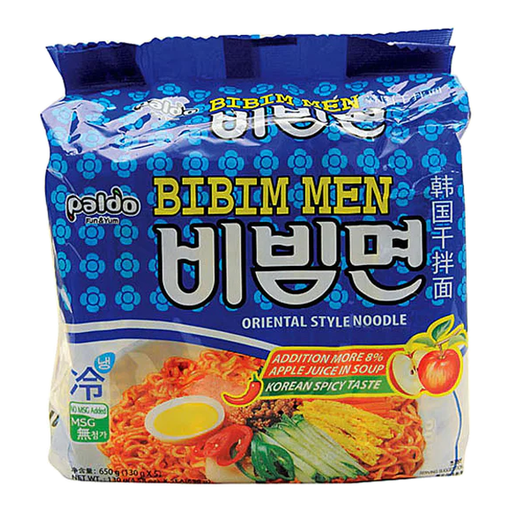
Why it suits this profile: A multipack for anyone who wants to try spicy noodles without immediately buying a large stock of dried noodles.
The instructions make it clear that you need to boil, rinse with cold water and then mix the noodles. This means the preparation method is clear from the outset.
130 g per pack, five pieces per set and a preparation method suitable for cold noodles with sauce.
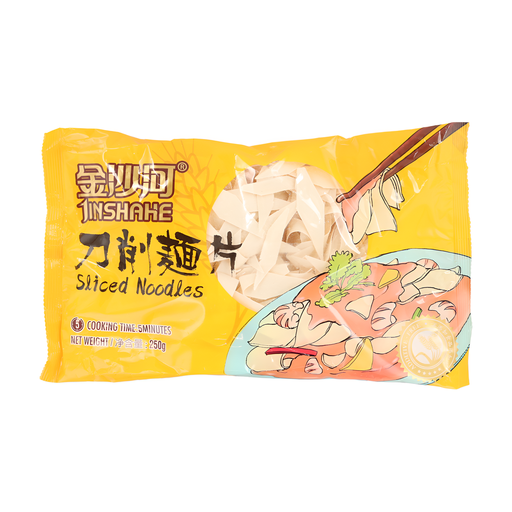
Why it suits this profile: The simple ingredients and wide ribbon shape give home cooks the freedom to choose their own soup, sauce and toppings.
The product information lists wheat flour, water and salt, and clearly identifies gluten as an allergen.
250 g, wide noodles and a cooking time of 5 to 7 minutes; suitable for soup, stir-fries and sauces.
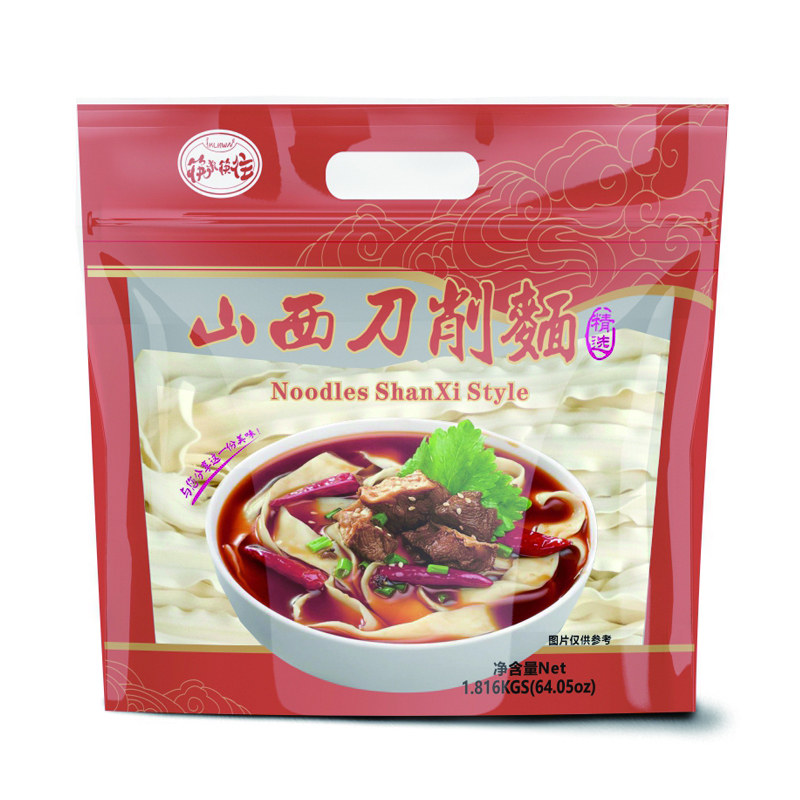
Why it suits this profile: A large supply for families, meal preppers or enthusiasts who regularly prepare Shanxi noodles with different toppings.
The packaging states specific dimensions, a cooking time of approximately 5 minutes and several uses.
1,816 kg, wheat-based and suitable for soup, fried or cold mixed noodles and hotpot.
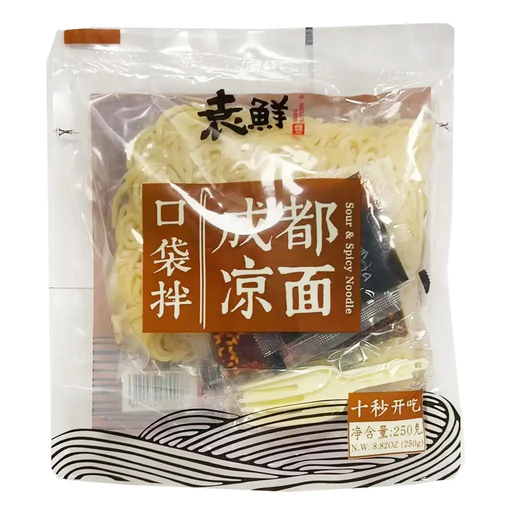
Why it suits this profile: For anyone who wants to prepare cold Chengdu noodles without sourcing chilli oil, vinegar and Sichuan pepper separately.
The product description states that the noodles are mixed with sauce and toppings and should be eaten immediately after preparation.
250 g, ready-to-eat noodles and seasonings; lists wheat, soya, peanuts and sesame as allergens.
We have put together a complete, up-to-date list of products that fully meet these strict selection criteria and the applicable European safety regulations.
Choose noodles with a short cooking time and drain them thoroughly before adding them to the wok. Wide knife-cut noodles can also work, but require more attention because they are thicker. Packaging that specifically says “wok noodles” or “noodles for stir-frying” is usually the simplest choice.
Store unopened dried noodles in a cool, dry place away from direct sunlight. The exact shelf life is stated on the packaging. Once opened, a tightly sealed storage jar or airtight container is practical. If in doubt, follow the date and storage advice on the label.
That depends on the flavour variant. Products with chilli, Sichuan pepper, mala or “spicy” in the product name generally contain hot seasonings, but the intensity can vary. If necessary, start with part of the sauce or seasoning powder, and check the ingredients and allergens before preparing the product.
