
Vandaag of morgen in huis

Kwaliteit gegarandeerd

Welkomstaanbiedingen ontgrendelen: GRATIS bezorging | Tot 80% korting | Gratis 30 dagen JoyPlus-proefperiode
Download de app
At first glance, choosing a pack of Shanxi knife-cut noodles seems straightforward. But packs can vary considerably in size, cooking time, texture and seasonings. If you focus only on words such as “traditional”, “authentic” or “extra chewy”, you could end up with noodles that turn too soft, don’t suit your dish or come with seasoning sachets that are high in salt.
This guide helps you compare Chinese knife-cut noodles using information you can check: ingredients, weight, cooking time, shape and intended use. That way, you can make a more informed choice between Chinese dried noodles, bulk packs and instant Shanxi noodles.
Wide Chinese noodles usually have more surface area, so they absorb relatively large amounts of stock or sauce. That makes them a good choice for noodle soups and saucy stir-fries, but cooking time still matters. A pack might promise a firm texture, but cooking the noodles for too long can still leave them soft.
So always check:
The name dao xiao mian refers to knife-cut noodles from Chinese cuisine. However, not every pack contains the same ingredients. Some dried varieties contain only wheat flour, water and salt. Others may contain ingredients such as modified starch, wheat gluten, raising agents or stabilisers.
Check the ingredients list before you buy. Look out for allergens, too: almost all the options in this selection contain wheat and gluten. Instant varieties often contain soya, sesame or flavour enhancers as well.
A 1 to 2 kg bag is practical for families, meal prep, hotpot or regular stir-fries. But if you only eat noodles occasionally, a smaller pack may be more convenient. Once opened, dried noodles should be kept dry and in a well-sealed container. With instant products, you’re also paying for the sauce, vegetables and seasonings, not just the noodles.
If you’re looking for chewy noodles, check for terms such as “thick”, “wide”, “knife-cut” or “shaved”. Product information often describes them as broad, irregular or wavy. This shape holds sauce and stock well, but the noodles may take longer to cook through.
These details are especially useful if you prefer a firm bite:
Choose the pack size to suit how you’ll use the noodles:
For instant products, check the total salt content per 100 grams. This figure often includes both the noodles and seasonings, according to the product listing. You can use only some of the sauce or seasoning powder if you’d like to adjust the flavour yourself.
Dried varieties can usually be stored without refrigeration as long as the pack remains sealed. Once opened, keep them in a cool, dry place in a well-sealed container. Before buying, check for:
Always follow the preparation instructions on the product. Raw flour and uncooked noodles aren’t intended to be eaten as they are.
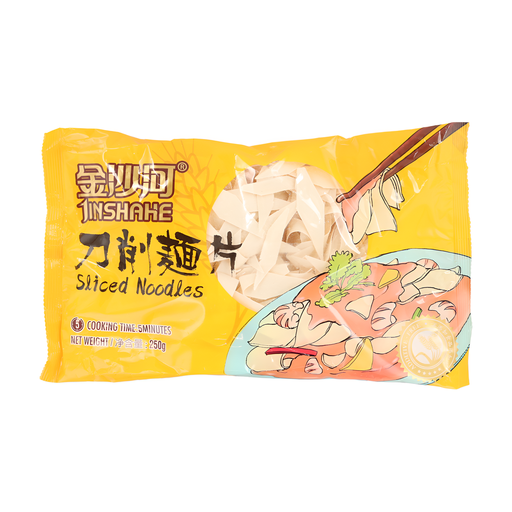
Why it suits this profile: The 250 g pack is a manageable size if you’d like to try Shanxi noodles for the first time. The product description mentions a broad, ribbon-shaped cut that’s suitable for soups and stir-fries.
You won’t have to commit to a bag weighing several kilos. The simple ingredients list contains wheat flour, water and salt.
250 g net weight; according to the product information, cook for 5–7 minutes; pairs well with soup, stir-fry sauce or toppings.
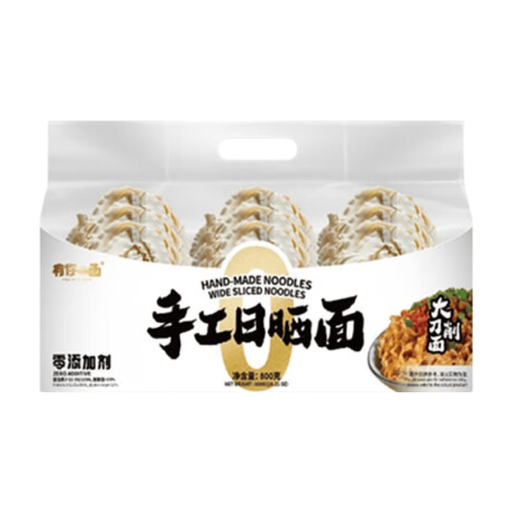
Why it suits this profile: The product information describes a wide cut, 97.9% wheat flour and a cooking time of around 6 minutes. That makes it a good fit for home cooks who care about the ingredients and want a versatile option.
The listed ingredients are limited to wheat flour, water and salt. There’s no ready-made sauce to dictate the flavour of your own recipe.
800 g pack; wide noodles; suitable for soup and sauce; store in a dry, sealed container once opened.
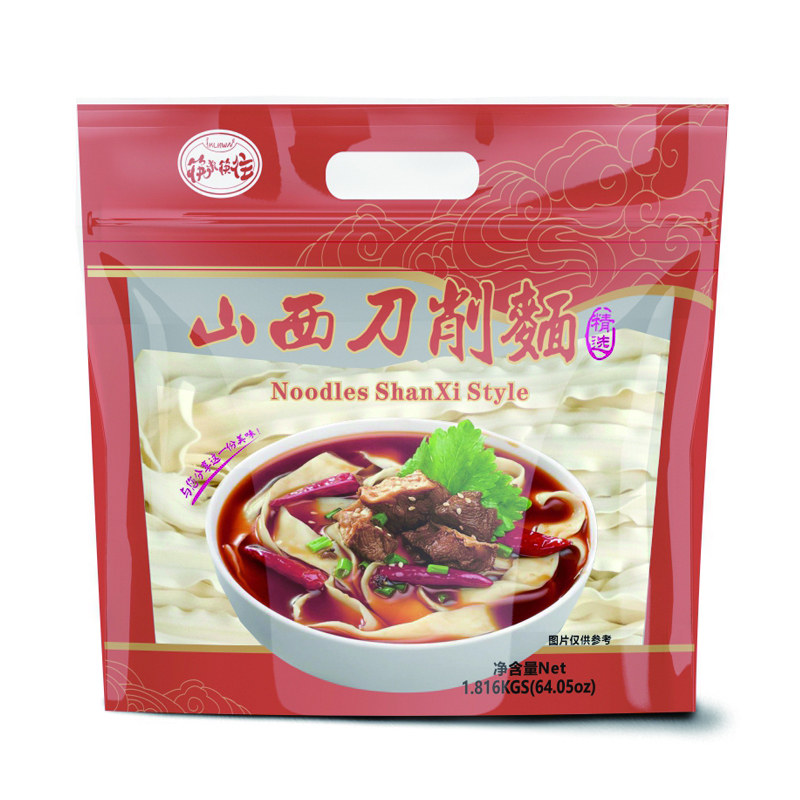
Why it suits this profile: This large pack is aimed at families, hotpot and regular cooking. According to the product details, the noodles are wide and should be cooked for around 5 minutes before rinsing.
The instructions give a specific cooking time and suggest several ways to use the noodles. This makes it easier to portion them for soup, stir-fries, cold noodle dishes or hotpot.
1.816 kg net weight; wheat flour, salt and water; the product information says the noodles resist overcooking and absorb soup well.
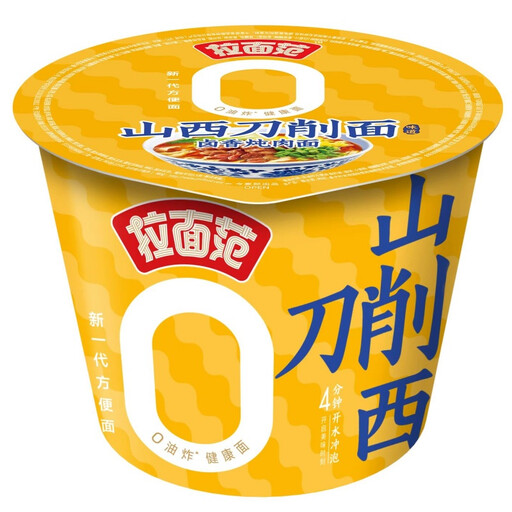
Why it suits this profile: According to the product description, these instant noodles are ready after 4 minutes of soaking in boiling water. The cup contains noodles, sauce, powder, vegetables and vinegar.
The preparation steps are clearly set out, and all the flavour components are packed separately. Be sure to check the allergens and stated salt content before ordering.
102 g per cup; four separate components; ready in 4 minutes; convenient without a saucepan.
We’ve put together a complete, up-to-date list of products that meet these strict selection criteria and the current European safety regulations.
Dried noodles are usually cooked in plenty of water. Depending on their thickness, this takes around 3 to 8 minutes. Follow the instructions on the pack and taste as you go. Instant varieties are generally prepared with boiling water and left covered for a few minutes.
Yes. Cook them first, drain well and briefly rinse if you like. Then stir-fry them with vegetables, tofu, egg, meat or a Chinese sauce. Wide noodles absorb relatively large amounts of sauce.
Store an unopened pack in a cool, dry place, following the instructions on the label. Once opened, it’s best to keep the noodles in an airtight container. Always check the best-before date, and discard them if they’re damp, discoloured or smell unpleasant.
