
Vandaag of morgen in huis

Kwaliteit gegarandeerd

Welkomstaanbiedingen ontgrendelen: GRATIS bezorging | Tot 80% korting | Gratis 30 dagen JoyPlus-proefperiode
Download de app
The Chinese noodles aisle can be overwhelming. From paper-thin to broad and wavy, the choices are endless. The wrong choice can turn your perfectly planned meal into a disappointment: a mushy mess in your soup or noodles that won't hold the sauce. As a Joybuy Product Recommendation Officer, I'm here to help you cut through the marketing jargon and find the right noodles for your kitchen.
Before we explore the options, let's first discuss the most common pitfalls:
To avoid a bad purchase, it's helpful to pay attention to a few objective specifications. These determine how the noodle will perform in your dish.
The shape of the noodle is crucial for the eating experience. It determines how well the sauce clings and what texture the dish will have.
Always check the ingredients list. Good dry noodles don't need much. Most traditional wheat noodles consist of:
Some varieties contain extra ingredients like starch (for a smoother texture) or other grains (like buckwheat). A short and clear ingredients list is often a sign of a pure product.
In Chinese cuisine, the ideal texture of noodles is often described as 'Q' or 'QQ'. This refers to a springy, pleasantly firm bite, similar to the Italian 'al dente', but slightly more 'chewy'. This texture is achieved by using high-gluten wheat flour and specific production techniques. Noodles described as hand-pulled noodles (or in that style) are often designed to deliver this desirable texture.
To help you when buying noodles, we've highlighted a few options that suit different cooking styles and needs.
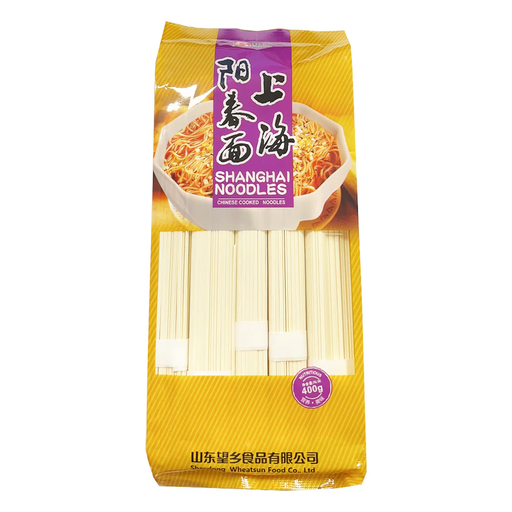
Why This Fits Their Persona: Ideal for those who want to put a nutritious and flavourful meal on the table quickly after a long day. These thin noodles cook in 3-5 minutes and are perfect for a simple noodle soup or a quick stir-fry.
This is an honest product. It's a classic, thin noodle that doesn't pretend to be suitable for heavy stews. This helps you avoid the pitfall of a mushy result.
Very fast cooking time (3-5 min). Made from just three pure ingredients: wheat flour, water, and salt.
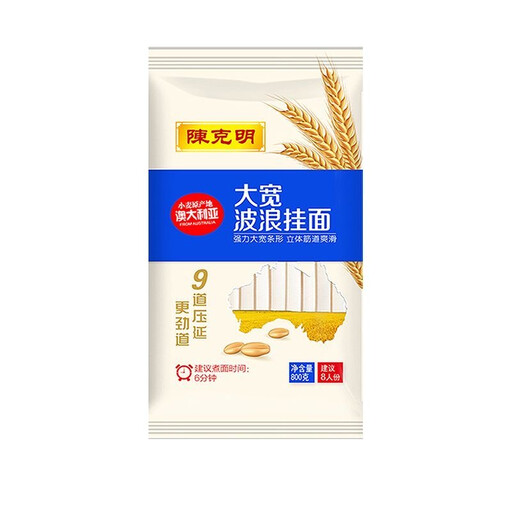
Why This Fits Their Persona: For the cook who loves to experiment with rich, bold flavours. These wide, wavy noodles are specially designed to hold onto sauces and broths, making every bite full of flavour.
This noodle is the solution to the 'wrong noodle' pitfall. Its sturdy structure and shape ensure it won't fall apart in a stew or stir-fry.
The wavy shape provides excellent sauce adhesion. The texture is firm and 'chewy', even after cooking in a sauce.
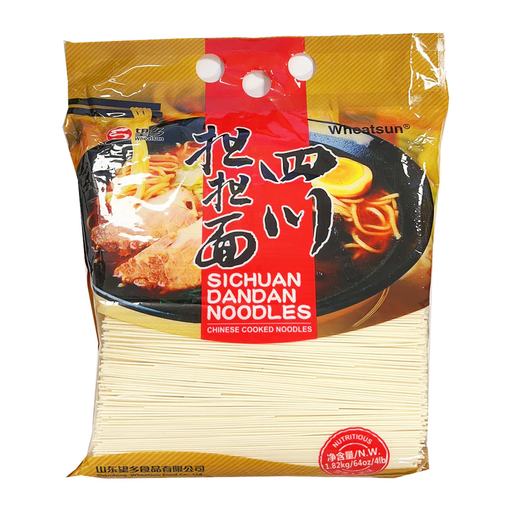
Why This Fits Their Persona: Perfect for families or anyone who likes to keep a well-stocked pantry. This 1.82 kg value pack offers excellent value for money for a versatile noodle that fits many dishes.
This product bypasses the 'paying too much' pitfall. You get a large quantity of quality noodles for a competitive price, without unnecessary marketing or additives.
Large value pack (1.82 kg). Specifically designed for Sichuan Dan Dan noodles, but versatile enough for other dishes.
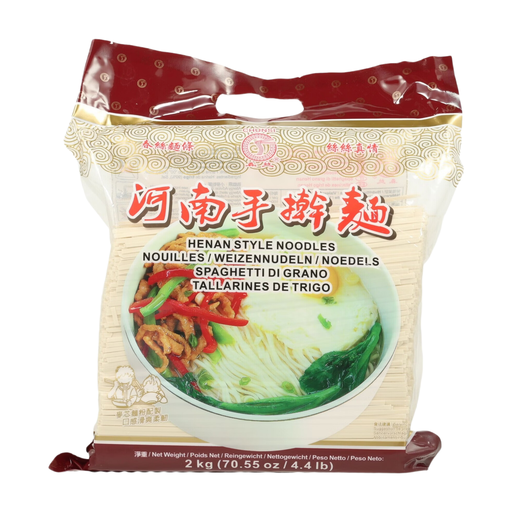
Why This Fits Their Persona: For the home cook seeking the authentic, springy texture of fresh, handmade noodles. These noodles are produced to replicate that specific 'chewy' bite.
This product is transparent about its purpose: to mimic the texture of handmade noodles. It avoids the pitfall of vague marketing by focusing on texture, which is its key feature.
Offers an authentic, firm, and 'chewy' texture. Made with 99% wheat flour for a pure taste.
The world of Asian noodles is rich and varied. If you're looking for more noodles with that signature firm bite, check out our full selection.
Although they may look similar, there are key differences. Most dry Chinese noodles are made from only wheat flour, water, and salt. Italian pasta often contains egg as well (pasta all'uovo). This results in a different texture. Where Italians strive for 'al dente', the 'Q' texture (springy and 'chewy') is often the ideal in Chinese cuisine.
A few simple steps can make a big difference:
Dry noodles have a long shelf life. Store them in their original, well-sealed packaging in a cool, dry, and dark place, such as a pantry. Avoid direct sunlight and moisture. Always check the expiration date on the package.
With these practical tips, you are well-prepared to choose the right Chinese noodles for your next culinary adventure.
Joybuy Product Recommendation Officer
