
Livraison le jour même et le lendemain

Qualité garantie

Débloquez vos offres de bienvenue: Livraison GRATUITE | Jusqu'à -80 % | 30 jours d'essai gratuits à JoyPlus
Téléchargez l'application
The Asian noodle aisle can be overwhelming. Dozens of types, shapes, and brands compete for your attention. The packaging promises an authentic experience, but once you get home, the texture is disappointing, or the noodle doesn't suit your dish at all. It's a common problem: you buy with the best intentions but end up with a meal that just isn't quite right.
As a Joybuy Product Recommendation Officer, I see the challenges consumers face every day. Before you buy Chinese noodles, it's helpful to recognise a few common pitfalls:
By paying attention to these points, you can avoid a bad purchase and ensure your dish tastes exactly as you envisioned.
You don't need to be a noodle expert to make the right choice. Just pay attention to the following three practical features.
The shape of the noodle determines how it absorbs sauce and what texture it brings to your meal.
The ingredients list tells you a lot about the quality and character of the noodle.
The state in which you buy the noodles affects the cooking time and shelf life. Most people buy Asian noodles in their dried form. These have a long shelf life and offer consistent quality. The cooking time usually varies from 3 to 8 minutes. Always read the instructions on the package, as the thickness of the noodle is the determining factor here.
Below are some product choices tailored to different cooking styles and needs.
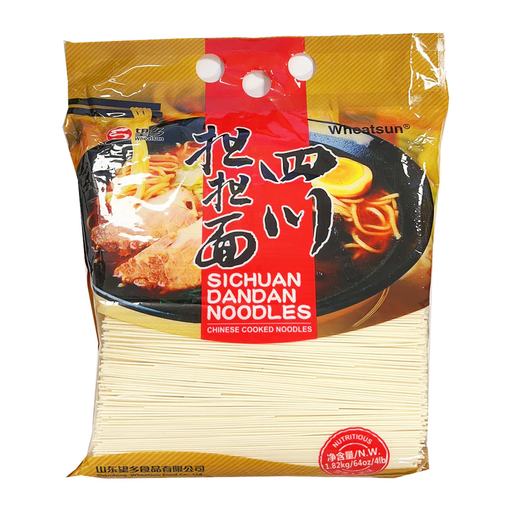
Why This Fits Their Persona: This person wants to perfectly recreate specific, regional dishes like Dan Dan Mian. These noodles are designed for exactly that, with the right thin, yet resilient texture to hold the complex sauce. The large packaging is ideal for those who regularly cook authentic meals.
This product isn't a generic "Chinese noodle" but a specific variety for a classic Sichuan dish. This helps you avoid the pitfall of using the wrong texture for your meal.
Specifically designed for dan dan noodles; made from pure ingredients (wheat, water, salt); large family-sized pack.
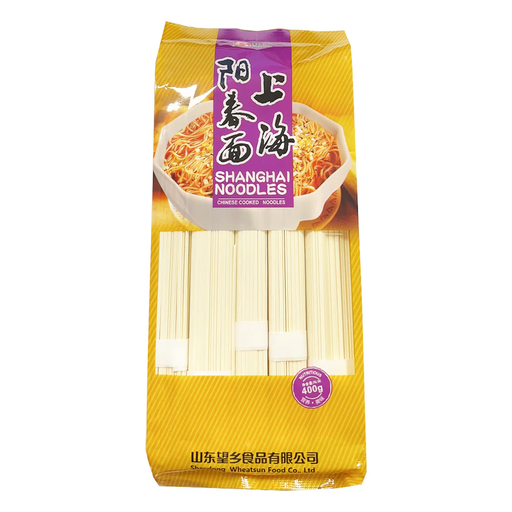
Why This Fits Their Persona: For those who want to put a nutritious and tasty meal on the table quickly and without fuss. These thin, delicate noodles cook in 3-5 minutes and are perfect for a simple soup or a quick stir-fry with some soy sauce and spring onions.
The ingredient list is short and pure: wheat flour, water, and salt. This helps you avoid the pitfall of noodles with unnecessary additives that can spoil the taste and texture.
Highly versatile for soups and light sauces; quick cooking time (3-5 minutes); classic, soft texture.
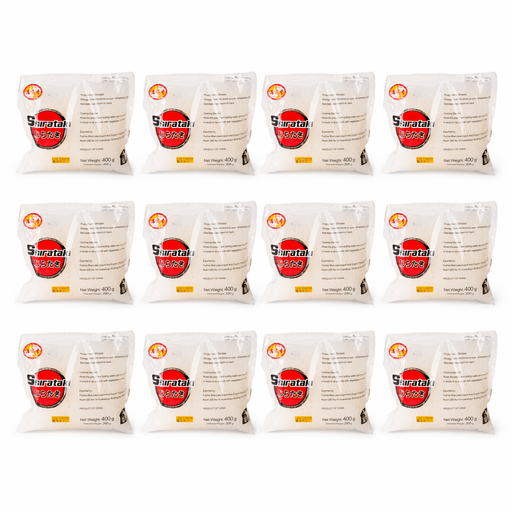
Why This Fits Their Persona: Ideal for those watching their calorie or carbohydrate intake, or following a gluten-free diet. These shirataki noodles are made from the konjac plant and provide a filling sensation without the carbohydrates of traditional wheat noodles.
This product isn't a marketing gimmick. It is fundamentally different from wheat noodles, and its claims (low-calorie, gluten-free) are based on its main ingredient, konjac flour. This avoids the pitfall of misleading "healthy" labels.
Extremely low in calories (7 kcal per 100g); low-carb and naturally gluten-free noodles; neutral flavour that absorbs sauces well.
We have compiled a complete, up-to-date list of products that fully meet these strict selection criteria and current regulations.
Although both are often made from wheat, there are key differences. Italian pasta is typically made from durum wheat and water, sometimes with egg. Chinese wheat noodles are often made from a softer type of wheat and sometimes contain salt or an alkaline ingredient (like potassium carbonate), which gives them a more resilient and "slurpable" texture.
Use a large pot with plenty of boiling water. As soon as you add the noodles, stir them well a few times to prevent them from sticking to the bottom or to each other. After draining, you can briefly rinse them with cold water, especially if you're using them for a stir-fry or a cold noodle salad. A small dash of sesame oil also helps prevent sticking.
Technically, you can, but the result will vary greatly. For noodles for stir-frying, it's best to choose a firm, resilient noodle that won't get mushy at high temperatures, such as flat, wide noodles or knife-cut noodles. Thin, delicate noodles like Yangchun are less suitable, as they can lose their texture and break apart in the pan.
