
Livraison le jour même et le lendemain

Qualité garantie

Débloquez vos offres de bienvenue: Livraison GRATUITE | Jusqu'à -80 % | 30 jours d'essai gratuits à JoyPlus
Téléchargez l'application
As a Joybuy Product Recommendation Officer, I see people navigating the vast selection of Asian products every day. The Chinese noodles aisle, in particular, can be overwhelming. The packaging looks similar, but the contents vary enormously. The wrong choice often leads to disappointment: noodles that turn mushy in soup or fall apart during a stir-fry.
Common mistakes are the result of unclear marketing or a lack of practical information. For example:
This guide will help you avoid these pitfalls and buy the right dried noodles for your specific dish.
Before you put a pack of noodles in your basket, there are two key characteristics you need to check. These determine the texture, flavour, and success of your dish.
The type of grain is the noodle's foundation. Most Asian noodles fall into one of these categories:
The shape of the noodle isn't just for show; it determines how the noodle absorbs sauce and how the texture feels in your mouth.
To help you choose, we've matched some popular noodle types with different cooking styles.
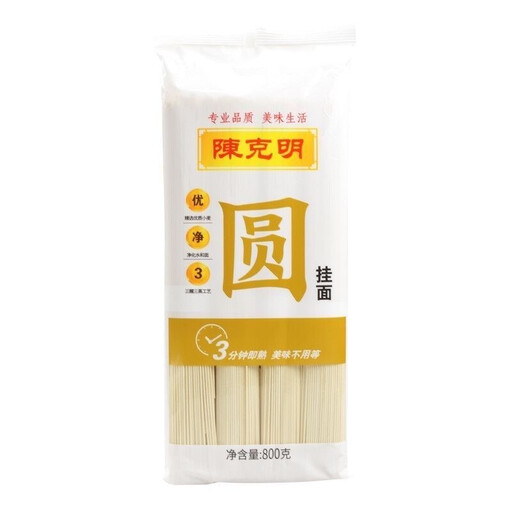
Why This Fits Their Persona: This is the perfect all-rounder for quick, everyday meals. Whether you're making a simple noodle soup or a fast stir-fry, this noodle works. The 800g package is ideal for families or if you cook regularly.
This noodle sidesteps the "one-size-fits-all" myth by offering a versatile standard shape that works well for 80% of dishes. No risk of a texture that's too delicate or too coarse.
Simple ingredients (wheat flour, starch, salt) for a pure flavour. The texture is pleasantly "chewy" and the 5-7 minute cooking time is practical.
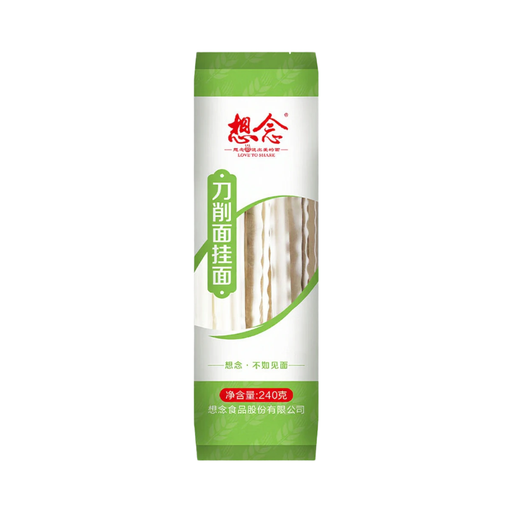
Why This Fits Their Persona: For those who want to recreate a specific, traditional dish. These "knife-cut" noodles (Dao Xiao Mian) have a rustic, wide shape and a wonderfully doughy bite, perfect for dishes from Shanxi cuisine or a hearty, savoury sauce.
This product prevents the "wrong texture" trap. You are deliberately choosing a specific shape for a specific purpose, instead of gambling with a generic noodle.
The wide, irregular shape holds sauce exceptionally well. According to the manufacturer, they are resistant to overcooking and retain their elasticity, which is essential for the texture.
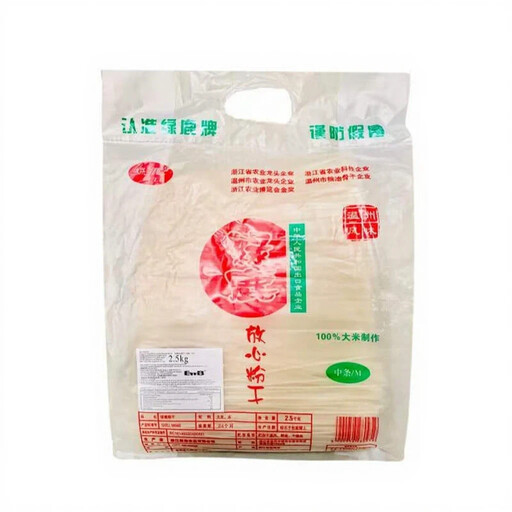
Why This Fits Their Persona: This rice vermicelli is made from 88% rice and is naturally gluten-free. Its light, smooth texture is perfect for soups and cold dishes. The 2.5kg bulk package offers excellent value for restaurants, student housing, or families who eat noodles often.
This product tackles the "vague ingredients" pitfall. The list is short and clear: rice (88%), corn starch, and water. You know exactly what you're getting, with no hidden gluten or unnecessary additives.
Naturally gluten-free and non-fried, making it a lighter option. The bulk package is economical for heavy users and ensures you always have a stock of authentic Chinese ingredients on hand.
Now that you've chosen the right noodles for your main course, you might want to consider other authentic products for your pantry. From sauces to snacks, the right ingredients make all the difference.
Beyond noodles, there are countless other authentic ingredients to elevate your dishes. For example, discover our range of flavourful additions.
Use a large pot with plenty of boiling water. Stir the noodles immediately after adding them to the water and continue to stir occasionally as they cook. Once they are done, drain them and briefly rinse them with cold water, especially if you plan to stir-fry them. This stops the cooking process and removes excess starch.
The biggest difference is in the texture and flavour. Wheat noodles are generally firmer, more elastic, and have a "chewy" bite due to the gluten. Rice noodles are softer, lighter, and have a more neutral flavour, allowing them to absorb the flavours of the broth or sauce well. Rice noodles are often, but not always, gluten-free.
Dried noodles have a long shelf life. After opening, store them in an airtight container in a cool, dry, and dark place, such as a pantry. This protects them from moisture, pests, and strong odours, thereby preserving their quality.
