
Livraison le jour même et le lendemain

Qualité garantie

Débloquez vos offres de bienvenue: Livraison GRATUITE | Jusqu'à -80 % | 30 jours d'essai gratuits à JoyPlus
Téléchargez l'application
Chinese noodles vary considerably in shape, ingredients and cooking time. A thin wheat noodle behaves differently from a broad noodle or a transparent sweet potato noodle. Yet online packaging is sometimes promoted mainly with words such as “authentic”, “traditional” or “extra chewy”, without making it immediately clear what you are actually getting.
When buying Chinese noodles, shoppers mainly face these potential pitfalls:
Start by considering the main ingredient and the texture you want. The following types are commonly found among Asian noodles:
Most of the dried Chinese noodles in this selection are made from wheat flour, water and salt. This creates a neutral base that you can combine with stock, soy sauce, sesame oil or stir-fried vegetables. Some varieties also contain alkaline salt, potato starch, konjac flour, buckwheat or sweet potato starch.
Check the label if you have a gluten allergy or intolerance. Wheat and gluten are listed, among others, for Sunlee Yellow Chinese Noodles, Lanzhou noodles, knife-cut noodles and handmade noodles. Seasoned instant varieties may also contain soya, sesame, peanuts or mustard.
The cooking time is a practical indication of thickness:
Always follow the instructions on the packaging. After boiling, you can briefly rinse wheat noodles with cold water if you plan to stir-fry them later. This helps prevent them from sticking together. For soup, you can add them directly to the stock or cook them separately, depending on how clear you want the soup to be.
A pack of 250 to 520 grams is convenient if you want to try a variety first. Bags weighing between 750 grams and 2 kilograms make more sense for regular use, meal prep or larger households. Store dried noodles in a cool, dry place away from direct sunlight. Seal an opened bag securely to limit moisture and loss of quality.
It is best to prepare instant noodles with sauce sachets immediately after opening. Also pay attention to the serving size of these products: a 110-gram bowl is not the same as a bag containing several individual portions.
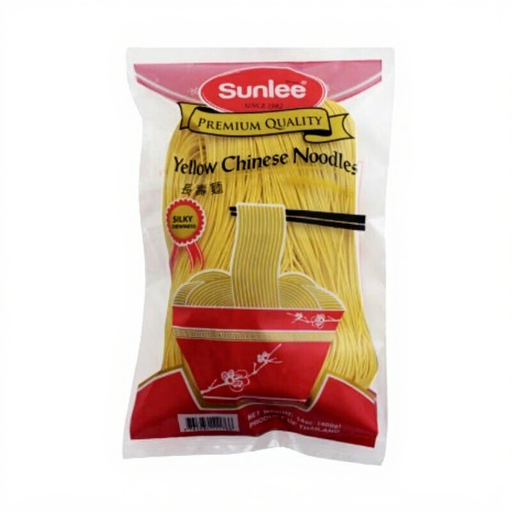
Why it suits this profile: A manageable pack for anyone trying Chinese noodles in soup or a stir-fry for the first time.
The product information gives a clear preparation time of 2 to 4 minutes and lists just four ingredients, including wheat flour, water, salt and turmeric.
400 grams, suitable for soup and stir-fries; contains gluten from wheat.
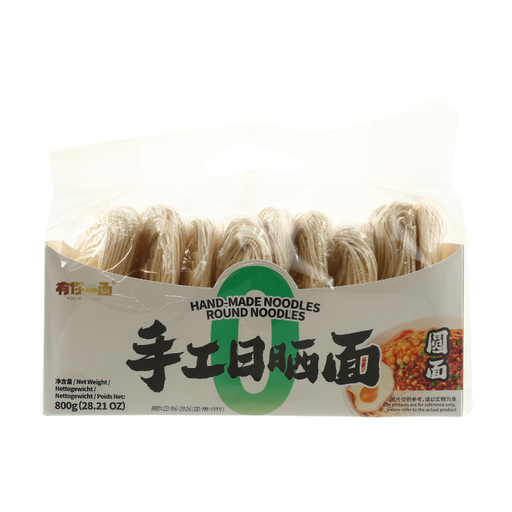
Why it suits this profile: For home cooks looking for a firm, smooth texture in soup, stir-fries or cold noodle dishes.
The product specification states a cooking time of 5 to 8 minutes and a round shape. This makes the choice more specific than a general claim about handmade production.
800 grams; ingredients according to the product information: wheat flour, water and salt.
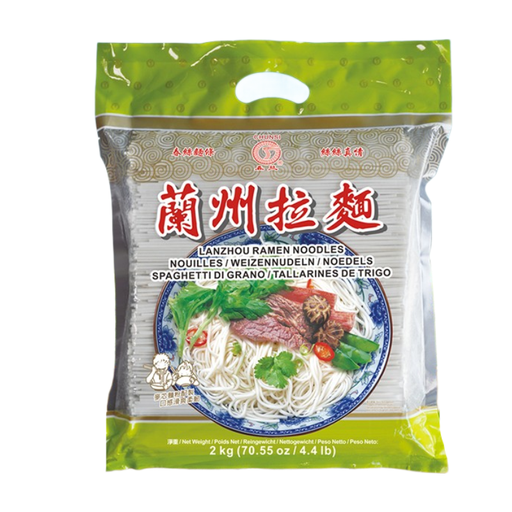
Why it suits this profile: The large pack is ideal for families, regular soup makers, meal preppers and small catering kitchens.
The packaging specifies use in Lanzhou-style beef soup and gives a cooking time of approximately 5 to 7 minutes.
2 kilograms of dried wheat noodles; suitable for serving directly in prepared stock.
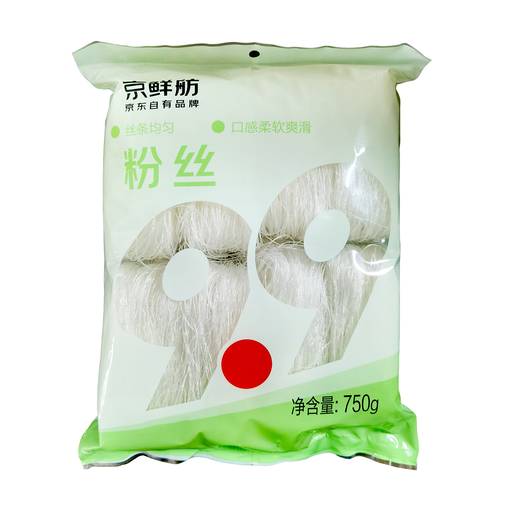
Why it suits this profile: A versatile choice for hotpot, salads, spring rolls, soup and stir-fries.
The product information specifies the composition: 97% wheat starch and 3% pea starch. This means you know which type of glass noodle you are buying.
750 grams; soak in warm water first, then boil briefly or prepare in soup.
We have put together a complete, up-to-date list of products that fully meet these strict selection criteria and the applicable European safety regulations.
Use a large pan with plenty of boiling water and loosen the noodles shortly after adding them. Do not cook them for longer than necessary; broad and thick varieties often need a few extra minutes. Briefly rinse wheat noodles for a stir-fry and drain them thoroughly. Only add glass noodles and sweet potato noodles after soaking or briefly boiling them according to the instructions on the packaging.
With instant noodles, add the seasoning, oil and sauce after draining if the packaging instructs you to do so. You can add pak choi, spring onion, egg, tofu or mushrooms to the serving. If you have allergies, check every sachet separately first.
Thick wheat noodles, Lanzhou noodles and knife-cut noodles generally remain firm in hot stock. Cook them separately if you want to keep the soup clear. Glass noodles and sweet potato noodles work well in light stocks and hotpot, but have a different, more elastic texture.
The exact best-before date is printed on the packaging. Store unopened noodles in a cool, dry place. Once opened, seal the packaging airtight and protect the contents from moisture. Do not use the product if it has changed colour, developed an unusual smell or the packaging is damaged.
Yes. Thin wheat noodles cook quickly and are convenient for a stir-fry. Cook them briefly, rinse them if necessary, then add them to a hot wok with vegetables and sauce. Broad noodles absorb more sauce, while glass noodles and sweet potato noodles provide a smoother, more elastic bite.
