Joybuy Insights

Chinese Noodle Buyer's Guide: Avoid Mistakes and Choose the Right Type

If you're searching for authentic Chinese noodles, the sheer number of options can be overwhelming. The packaging looks promising, but the result is sometimes a disappointment. You want that perfect, springy texture for your Lanzhou soup or those wide, sturdy noodles for a stir-fry, but you end up with a soggy mess.

As a Joybuy Product Recommendation Officer, I'm here to help you cut through the marketing fluff. We'll focus on what really matters so you can choose the right dried noodles for your dish. Let's discuss the most common pitfalls and how to avoid them.

  • Pitfall 1: The "authentic" sticker. Many packages claim authenticity but contain standard wheat noodles unsuitable for specific regional dishes. The label says little about the texture or type.
  • Pitfall 2: The wrong texture for your dish. You've spent hours on a rich, flavourful broth, only to find your noodles are too thin and fall apart. Or you've bought wide noodles that completely overpower the delicate flavours of a light soup.
  • Pitfall 3: Vague ingredient lists. You're looking for a pure product, but the ingredient list is long and full of incomprehensible additives. Simplicity is often a sign of quality, especially for a staple like Chinese noodles.

What to Look for When Choosing Chinese Noodles

To avoid a bad purchase, it helps to pay attention to a few key specifications. These determine the flavour, texture and how the noodle performs in your dish.

1. Shape and Thickness: The Foundation for Every Dish

The shape of the noodle is no accident; it's designed to harmonise with specific dishes.

  • Thin, round noodles: Ideal for light soup noodles and dishes like Yangchun noodles. They cook quickly and have a delicate texture.
  • Medium, round noodles: These are versatile noodles, suitable for both soups and stir-fries. They are the standard choice for dishes like Dandanmian.
  • Wide, flat noodles: These are perfect for hearty sauces and stews, such as Xinjiang Dapanji (big plate chicken). The wide noodles have a large surface area that holds sauce well and provides a satisfying, firm bite.
  • Knife-cut noodles (Dao Xiao Mian): These have an irregular shape and a rustic, firm texture. They are excellent for stir-fry noodles or served with a thick sauce.

2. Ingredients: The Source of Flavour

The base of the noodle determines its taste and nutritional value. Most Asian noodles are made from wheat flour, water and salt, but there are important variations.

  • Wheat Flour: The most common base. Pay attention to the quality of the flour. Products with a high percentage of wheat flour and few additives often offer a pure taste and good texture.
  • Buckwheat: Buckwheat noodles (known as soba in Japan) have a darker colour and a distinctive, earthy and nutty flavour. Check the percentage of buckwheat flour; a higher percentage means a stronger taste.
  • Other grains and additives: Some noodles contain corn, millet, quinoa or even vegetable powders like tomato or mushroom. These not only add colour and a subtle flavour but can also increase the nutritional value.

Our Top Product Recommendations

Below are some popular choices, matched with different cooking styles and preferences. This selection is based on clear product specifications and their suitability for specific applications.
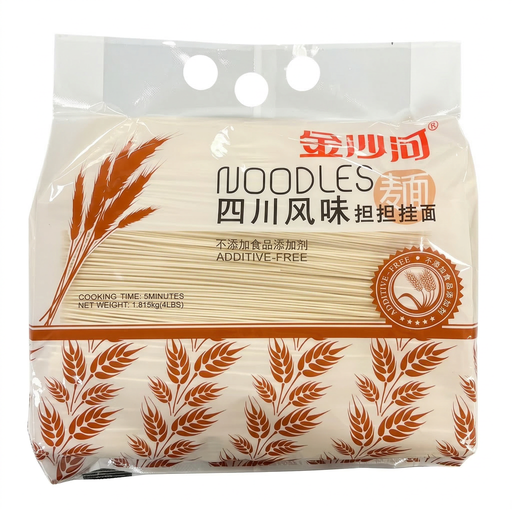
MATCH FOR: The Recipe-Driven Home Cook
Jin Shahe Sichuan-Style Dandanmian 1.815kg

Jin Shahe Sichuan-Style Dandanmian 1.815kg

Why This Fits Your Persona: You want to make a specific, authentic Chinese dish, like Dandanmian, and are looking for the right noodle without having to guess. These noodles are specifically designed for this classic Sichuan dish.

How It Avoids the Trap

It avoids the 'wrong texture' pitfall. The round, smooth noodles are made to provide the firm, springy texture essential for Dandanmian, ensuring the sauce clings perfectly.

Key Advantage & Pros

Made from high-quality wheat flour that stays firm after cooking. The 1.815 kg bulk pack is ideal for those who frequently make Chinese dishes.
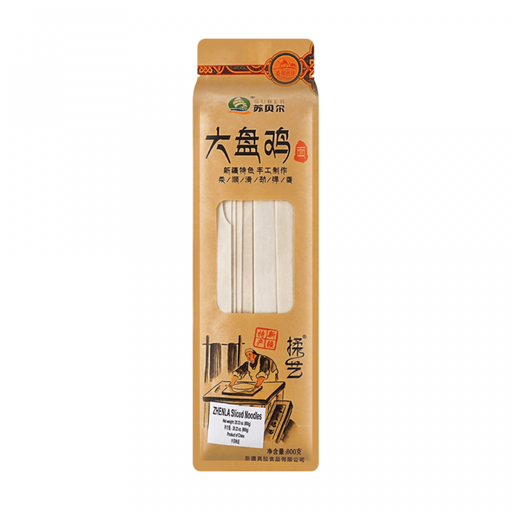
MATCH FOR: The Wide Noodle Enthusiast
Zhenla Belt Noodles 800G

Zhenla Belt Noodles 800G

Why This Fits Your Persona: You are looking for the satisfyingly chewy texture of hand-pulled 'belt noodles' for dishes like Xinjiang Dapanji or Biangbiang. The noodle itself is the star of the meal.

How It Avoids the Trap

This product bypasses the 'authentic sticker' pitfall. It delivers exactly what it promises: wide, sturdy noodles that retain their texture and absorb sauces perfectly, instead of a generic pasta shape.

Key Advantage & Pros

Made with 98% wheat flour for an authentic, firm bite. The wide surface is ideal for soaking up rich, spicy sauces and stews.
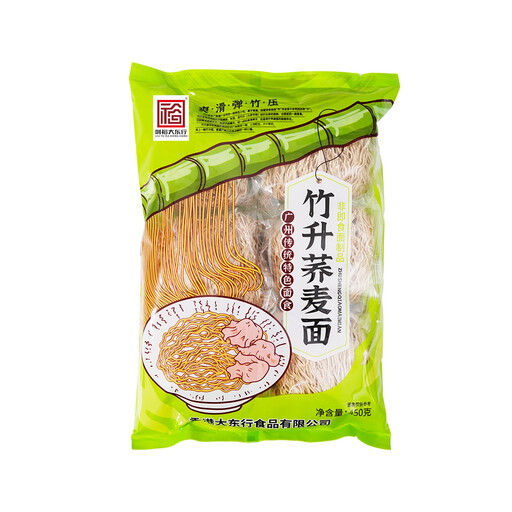
MATCH FOR: The Health-Conscious Buyer
Liu Yu Da Dong Hang Non-Fried Boiling Buckwheat Noodles 450g

Liu Yu Da Dong Hang Non-Fried Boiling Buckwheat Noodles 450g

Why This Fits Your Persona: You are looking for a more nutritious option. You pay attention to ingredients, avoid fried products and prefer whole grains or alternative grains like buckwheat.

How It Avoids the Trap

It tackles the 'vague ingredients' pitfall. The packaging clearly states that the noodles are non-fried and contain 5% buckwheat flour. The ingredient list is short and straightforward.

Key Advantage & Pros

Non-fried process, which the manufacturer claims is a healthier alternative. The addition of buckwheat provides a light, nutty flavour and is versatile for soups, salads or stir-fries.

Looking for more options?

We have compiled a complete, up-to-date list of products that meet these selection criteria and comply with current regulations.

Frequently Asked Questions

How do I choose the right Chinese noodle for my dish?

A good rule of thumb is: the texture of the noodle should match the 'heaviness' of the sauce or soup.

  • Light, clear soups: Use thin, delicate noodles (like fine wheat noodles or rice vermicelli).
  • Rich sauces and stir-fries: Opt for medium to thick noodles that can carry the sauce well (like Dandanmian noodles or knife-cut noodles).
  • Hearty stews: Wide noodles or 'belt noodles' are ideal here, as they won't get mushy and will retain a firm bite.

How long do dried Asian noodles last?

Dried noodles generally have a very long shelf life, often a year or more. Always check the expiration date on the package. Store them in a cool, dry and dark place. Once opened, it's best to keep them in an airtight container to keep out moisture and pests.

What is the difference in taste between wheat, buckwheat and rice noodles?

  • Wheat noodles: The most neutral and versatile option. They have a springy texture ('Q' texture) and absorb the flavour of the sauce or broth well.
  • Buckwheat noodles: These have a distinct earthy, nutty flavour that pairs well with both cold and hot dishes. The texture is often slightly firmer.
  • Rice noodles: are naturally gluten-free and have a lighter, softer texture. They are less springy than wheat noodles but absorb flavours very well.