
Vandaag of morgen in huis

Kwaliteit gegarandeerd

Welkomstaanbiedingen ontgrendelen: GRATIS bezorging | Tot 80% korting | Gratis 30 dagen JoyPlus-proefperiode
Download de app
A jar of Chinese mushroom sauce can add plenty of flavour to a quick meal. However, sauces vary widely in their ingredients, salt content, spiciness and how they are used. One sauce is designed as a topping for rice, while another works best as a Chinese stir-fry sauce, marinade or substitute for oyster sauce.
So don't just look for words like “authentic”, “natural” or “umami”. Instead, pay close attention to the ingredients list, allergens, nutritional information and usage instructions. This way, you can avoid buying a large bottle that is too salty for everyday use, or choosing a spicy sauce when you actually want a mild flavour.
Some products are soy sauce with a small amount of mushroom extract. That can be fine if you are mainly looking for a salty seasoning, but it is different from a thick sauce with visible pieces of mushroom.
So check the quantitative ingredient declaration, for example “mushroom 30%” or “shiitake 40%”. If it only says “mushroom extract”, the sauce is usually thinner and more comparable to a flavoured soy sauce.
A vegetarian or vegan oyster sauce contains no oysters according to the product description, but it may still contain soya, wheat or gluten. This is particularly important for anyone with an allergy or who needs to eat gluten-free.
Also check whether “vegan” actually appears on the product label or in the product information. A sauce with mushrooms is not automatically vegan.
A 500g or 630g bottle may seem appealing for heavy use, but sauces vary greatly in salt and sugar content. For example, LEE KUM KEE Mushroom Vegetarian Stir Fry Sauce contains 11.1g of salt and 27g of sugar per 100g according to the nutritional information. This makes portion control important.
Smaller jars are more convenient when you want to try a flavour first. Larger packs are better suited to households that stir-fry or marinate several times a week.
For a distinct earthy flavour, shiitake, king oyster mushroom and other edible mushrooms are commonly used ingredients. A high percentage does not automatically mean you will like the taste, but it does give you a verifiable picture of the composition.
A shiitake sauce with oil and fermented bean paste is usually thick and suitable as a topping. A runny mushroom sauce on a soy sauce base works better in a marinade, soup or stir-fry.
Compare the nutritional values per 100g or 100ml. Pay particular attention to:
Use a salty sauce as a flavour accent and add extra soy sauce only at the end. This gives you more control over the dish.
Many Chinese sauces contain soya and wheat. Sesame is also common. Always read the label before purchasing, especially if you have allergies.
Once opened, a sauce often needs to be refrigerated. Some product information specifies a particular timeframe, such as consume within seven days. Always follow the packaging of the product you have bought, as storage instructions can vary by brand and batch.
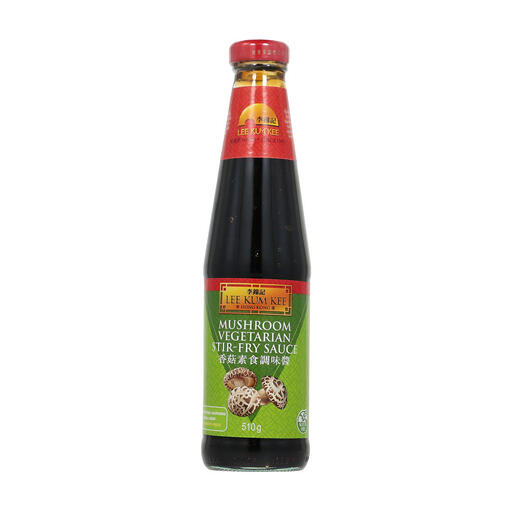
Why it fits this profile: A generous pack for anyone who regularly cooks vegetables, tofu, noodles or rice and is looking for a vegetarian oyster sauce.
The product information mentions mushroom extract and no oysters; do check the packaging if you need a specific vegan claim. Soya and wheat are listed as allergens.
510g, ready to use and suitable for stir-frying, braising, dipping and dishes with tofu or noodles.
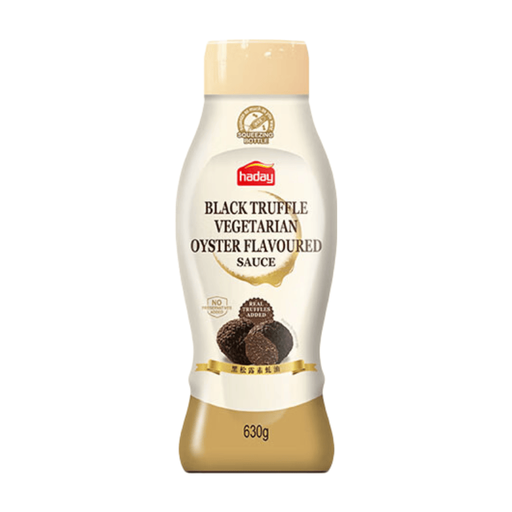
Why it fits this profile: For home cooks looking for a dark, full-bodied umami sauce for stir-frying, marinating, braising and dipping.
The product information states 0.5% black truffle and multiple mushrooms. The flavour is therefore not linked solely to a generic aroma description.
630g, vegan according to the product description and usable as an alternative to oyster sauce. Contains soya and wheat.
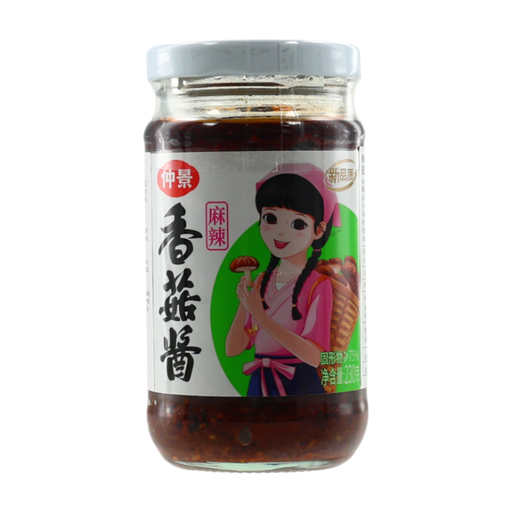
Why it fits this profile: For fans of spicy mushroom sauce and Sichuan flavours with rice, noodles, tofu and stir-fries.
The spiciness is clearly stated in the product name and the ingredients list mentions chilli and Sichuan pepper. This means the sauce is not unexpectedly mild or sweet.
230g, ready to use and according to the product information suitable as a topping, stir-fry base, dip or marinade. Contains soya and wheat.
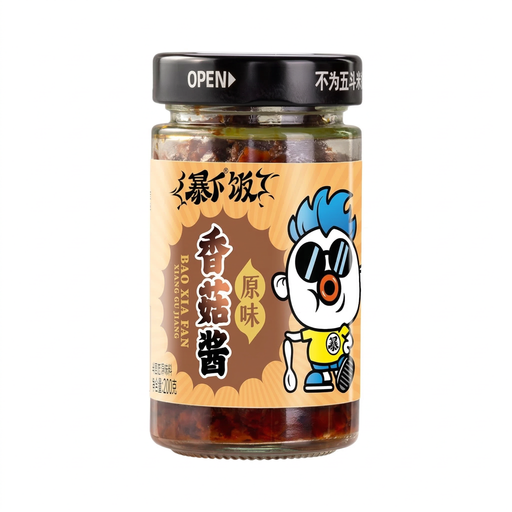
Why it fits this profile: A practical choice for anyone who wants to add flavour to rice, noodles, steamed buns or stir-fried vegetables without much preparation.
The product information states 40% shiitake and makes it clear that the sauce can be mixed directly with rice or noodles.
200g, clear shiitake declaration and multiple uses as a topping or cooking ingredient.
We have put together a full, up-to-date list of products that fully meet these strict selection criteria and current European safety regulations.
That varies from product to product. A vegetarian oyster sauce typically uses mushroom extract instead of oysters, but always check the ingredients and the vegan label on the packaging. Soya and wheat are common.
Choose a sauce that can be used directly as a topping according to the instructions. A thicker sauce with pieces of mushroom, such as Jixiangju Mushroom Sauce for Rice, is suitable for mixing through steamed rice. Use sparingly because of the salt content.
Store an opened jar or bottle in the fridge, usually, and seal it tightly. Check the label for the exact timeframe. Always use clean utensils and check the smell, colour and texture before adding the sauce to a dish.
