
Vandaag of morgen in huis

Kwaliteit gegarandeerd

Welkomstaanbiedingen ontgrendelen: GRATIS bezorging | Tot 80% korting | Gratis 30 dagen JoyPlus-proefperiode
Download de app
A jar of Chinese mushroom sauce can add plenty of flavour to a quick bowl of rice or noodles. Yet the products vary considerably. Some sauces contain a generous amount of mushrooms, while others are mostly oil, sugar, salt or thickeners. The level of heat, allergens and shelf life after opening also differ.
Watch out for these three common pitfalls:
For a pronounced umami sauce, the mushroom content is a useful starting point for comparison. The product information shows, for example:
A higher percentage doesn’t automatically mean the flavour will suit you, but it does make clear how much of the product is actually mushroom. Also consider the type: shiitake generally gives an earthy, robust flavour, while a mix of mushrooms provides a different texture and flavour balance.
If you’re after a mild shiitake sauce for the whole family, it’s best to choose an original variety without chilli. For stir-fries with tofu, vegetables or noodles, a spicy mushroom sauce or mala variety works better.
Alongside chilli, check the other flavourings:
Chinese sauces are often concentrated. Start with a small amount and taste before adding extra salt or soya sauce. Compare the nutritional values per 100g. In the product information provided, salt levels range from 1.3g to 7g per 100g.
Also look out for:
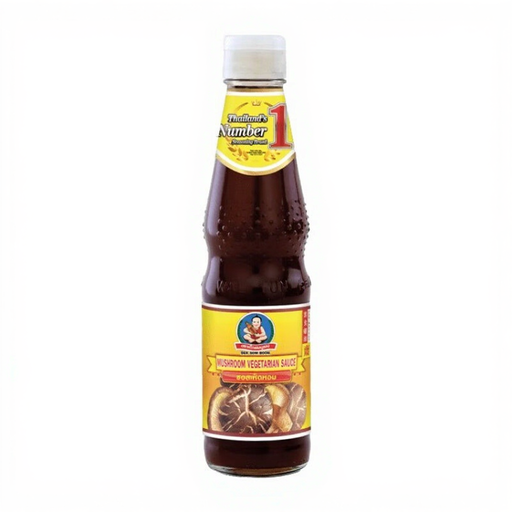
Why this fits the profile: A manageable size for anyone wanting to try a vegetarian mushroom sauce with rice, noodles or vegetables without committing to a large bulk jar. According to the product information, the sauce is suitable for vegetarians and vegans.
The product information lists specific ingredients, including mushroom extract, soya sauce and sugar. This allows you to check the flavour and allergens in advance.
350g, suitable for stir-fries and noodles, with soya and wheat listed as allergens.
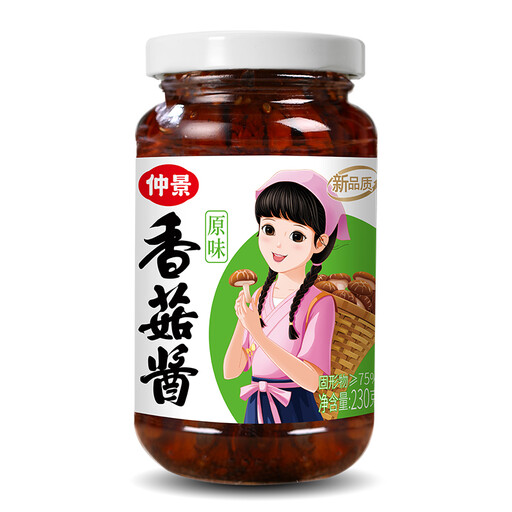
Why this fits the profile: The product information states 70% Xixia shiitake and no added chilli. That suits those who love a clear mushroom flavour for rice, soup and mild stir-fries.
The stated mushroom percentage makes the composition more verifiable than a general claim about “mushroom flavour”.
70% shiitake according to the product information, mild original flavour and a 230g jar.
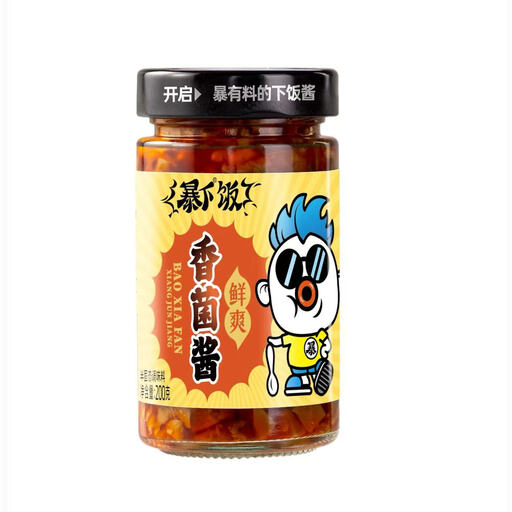
Why this fits the profile: This sauce is designed for users who want a distinct, spicy flavour with noodles, rice, dumplings and wok dishes. The product information states 48% marinated mushrooms and 7% chilli.
The chilli amount and mushroom composition are stated. This makes it clearer in advance that this is not a neutral base sauce.
48% marinated mushrooms, 7% chilli and ready to use as a seasoning or stir-fry base.
We’ve put together a full, up-to-date list of products that fully meet these strict selection criteria and comply with current European safety regulations.
Start with one to two teaspoons per portion and add more later. This prevents a salty or spicy sauce from overpowering the dish. Practical combinations include:
For vegetarian dishes, check the ingredients list. The three products selected above do not list any meat-derived ingredients in the product information provided, but recipes and labels can change.
It varies by product. Some varieties are offered as vegetarian or vegan according to the product information, while others focus more on mushroom flavour. Always check the label for oyster sauce, fish ingredients, soya, wheat and sesame.
The shelf life differs by brand and recipe. Some jars need to be refrigerated after opening and used within seven days or two weeks; others simply state “consume as soon as possible”. Follow the storage and usage instructions on the packaging.
Yes, in small amounts the sauce can be part of rice, noodle and vegetable dishes. However, do watch the salt and oil content per 100g. If you use sauce regularly, you can alternate between a concentrated mushroom sauce and a milder sauce with less salt.
