
Vandaag of morgen in huis

Kwaliteit gegarandeerd

Welkomstaanbiedingen ontgrendelen: GRATIS bezorging | Tot 80% korting | Gratis 30 dagen JoyPlus-proefperiode
Download de app
Chinese mahua snacks are twisted dough snacks with a crispy texture. You’ll find them in sweet, savoury, sesame, barbecue and spicy varieties. Some are large and layered, while others come as small pieces that are easy to share. That makes them perfect for a tea-time treat, a drinks gathering or a quick snack.
Yet one packet can sometimes look much like another, even when the products themselves are quite different. If you rely only on the picture or the flavour name, you might end up buying a snack that’s too sweet, too spicy or not suitable for your allergies. With these checks, you can compare Chinese dough twists in a practical way.
Words like “spicy”, “mala” or “barbecue” give you a general idea, but not always the intensity. A Sichuan-mala variety typically combines a spicy taste with a peppery sensation. A barbecue version, on the other hand, might be mainly savoury and aromatic. So check the ingredients, such as chilli, Sichuan pepper, cumin or star anise.
The same nuance matters with sweet snacks. A brown sugar variety may also contain sesame and deliver noticeably more sugar per 100g than a savoury dough twist.
The production method varies by brand. Wo Long states that some of its mini twists use a non-fried baking process, while other mahua products are traditionally fried according to the product description. That affects the texture, mouthfeel and nutritional values.
So don’t just look for terms like “crispy” or “crunchy”. Look for information about baking, frying, oil and the total fat content.
A bag of 380g or 420g might seem ideal for sharing, but first check the shelf life and storage instructions. Many crispy Chinese snacks lose their texture if the packet isn’t sealed properly after opening. A smaller packet can be more practical if you only snack occasionally.
Also watch out for products with a short remaining shelf life. With the “Near-expired product” item from Chen Changyin, it’s especially important to check the date and product information before you buy.
For a firm, layered bite, look for descriptions like “layered”, “flaky” or “crispy”. Mini mahua usually consists of smaller, shorter pieces, making them handy for a sharing bowl.
The product description for Wo Long mentions a blend of wheat and millet flour and a light, thin texture. With traditional mahua, such as the Guifaxiang varieties, the emphasis is on layered dough sticks with a crispy exterior.
The term “authentic Chinese snacks” isn’t an objective quality standard in itself. Instead, look at the country of origin, the ingredients list and the specific product description.
In this category, wheat, gluten, soya, egg, peanuts, nuts and sesame are common. Guifaxiang Eighteen Street Mahua with black sesame, for example, lists wheat, soya, peanuts, sesame and walnuts. MUSHAN BASE Mini Mahua may contain traces of celery, mustard and sesame according to the product information.
Also compare the nutritional values per 100g. The products mentioned range from around 388 to 594 kcal per 100g. That difference is due to factors like oil, sugar and the preparation method. Store the snacks according to the label in a cool, dry place and seal the packet well after opening.
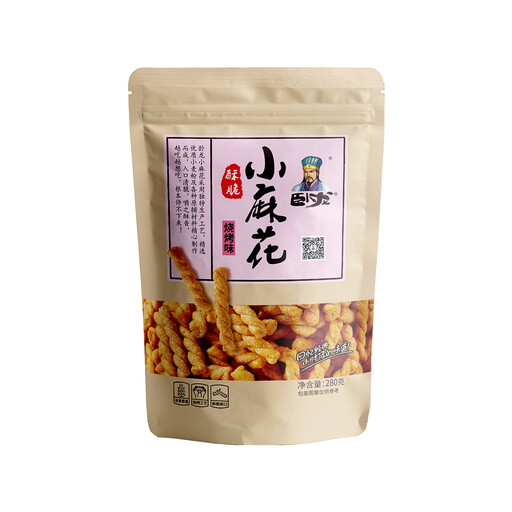
Why this fits the profile: The barbecue flavour offers an accessible introduction to mini mahua. The 280g bag is ideal for sharing during a film night or drinks gathering.
The product description mentions a non-fried baking process and a barbecue profile featuring chilli, Sichuan pepper, cumin and star anise.
280g, ready to eat, crispy texture and wheat listed as an allergen.

Why this fits the profile: This layered mahua is designed for a quiet tea-time moment and for those who enjoy a more complex combination of black sesame, nuts and a lightly sweet taste.
The product information clearly lists the ingredients and allergens, so you don’t have to rely solely on the name “sesame”.
140g, layered crispy texture and a clearly stated country of origin: China.
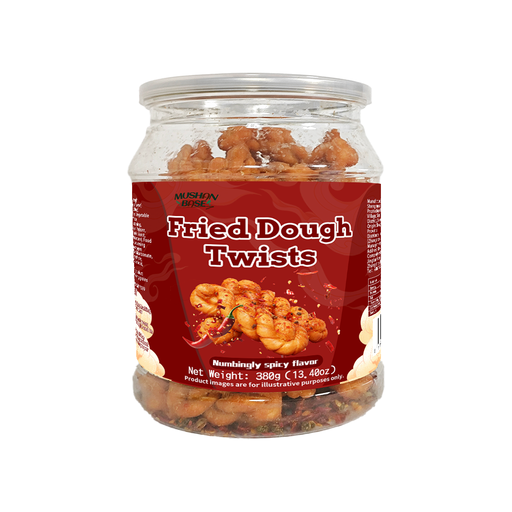
Why this fits the profile: The large packet is practical for fans of spicy Chinese snacks who regularly serve small portions or want to fill a sharing bowl.
The product description mentions 70% wheat flour and specifies the spicy and peppery spice blend. This makes the flavour profile easier to judge in advance.
380g, small portions, ready to eat and a clear statement that the product contains wheat gluten.
We’ve put together a full, up-to-date list of products that fully meet these strict selection criteria and comply with current European safety regulations.
Mahua are twisted dough snacks from China. They can be sweet or savoury and are sold as large, layered dough sticks or as mini mahua. Depending on the product, they are baked or fried.
Keep them cool and dry, away from direct sunlight. Seal the bag well after opening. This limits exposure to moisture, which can reduce the crispy texture. Always follow the storage advice on the packet.
A brown sugar, black sesame or hawthorn variety suits a sweeter tea-time moment. If you prefer something savoury, a salted, spring onion or salt-and-pepper mahua are logical choices. If you have allergies, always check the full ingredients and allergen information on the label.
