
Vandaag of morgen in huis

Kwaliteit gegarandeerd

Welkomstaanbiedingen ontgrendelen: GRATIS bezorging | Tot 80% korting | Gratis 30 dagen JoyPlus-proefperiode
Download de app
Chinese knife-cut noodles are known for their wide shape and firm bite. In the UK, they are also sold as Shanxi knife-cut noodles, knife-cut noodles or hand-cut noodles. However, many packets look more alike than they are in use. One type is intended for a bowl of soup, while another holds up better in the wok. Instant varieties often contain several sachets of seasoning with relatively high salt content.
With this guide, you can compare Chinese noodles based on verifiable product information. That way, you can avoid buying a large packet that doesn't suit your cooking habits.
A wide, thick noodle needs more time than a thin one. If you guess the cooking time, you could end up with a hard core or a mushy texture. The product details in this range mention cooking times of around 3 to 12 minutes, depending on the type and thickness.
So pay attention to the difference between:
With instant noodles, the contents of the sauce, powder, vinegar and vegetable sachets largely determine the taste. According to the product information, the Lamianfan variety with spicy beef flavour contains 7.8 g of salt per 100 g. The five-pack with the same flavour states 27.2 g of salt per 100 g. So always check the nutritional information table and see whether the values are given per 100 g or per serving.
Spiciness is also personal. Chilli, Pixian bean paste and Sichuan pepper are mentioned in the product description, but the perceived heat can vary from person to person. You can start with part of the sauce sachet.
A 1 kg or 2 kg bag may seem appealing for families, student houses or catering. However, once opened, you need to seal the packet properly and store it in a dry place. Also check how many dried noodles you use per meal. A smaller packet of 240 g or 400 g can be more practical if you alternate between soup, stir-fry and cold noodle dishes.
Look for terms like wide, thick, chewy, elastic or 8 mm wide. Bai Xiang, for example, mentions a shape that is thicker in the middle and thinner at the edges. This can provide a varied texture and helps the noodle hold onto sauce.
Xiang Nian mentions wide noodles with a firm bite and resistance to overcooking. That's relevant when you cook the noodles first and then prepare them in the wok. The exact experience still depends on cooking time, water quantity and preparation method.
Most dried varieties consist mainly of wheat flour, water and salt. Some products also contain wheat gluten, starch, sodium carbonate, konjac flour or spinach powder. Check the label if you have an allergy or intolerance: the products listed typically contain wheat and gluten.
Instant varieties often have a longer ingredients list with flavourings, oil, thickeners and vegetable sachets. Lamianfan products list soy, sesame or buckwheat as allergens, depending on the flavour. Read the packaging before buying, especially if you're cooking for several people.
For a hearty meal, you can use around 80 to 100 g of dried noodles per person as a guide, supplemented with vegetables, tofu, egg, chicken or meat. Always follow the product instructions:
Rinse cooked noodles briefly if you're serving them cold or using them in a stir-fry. For soup, you can add them straight to the broth after draining.
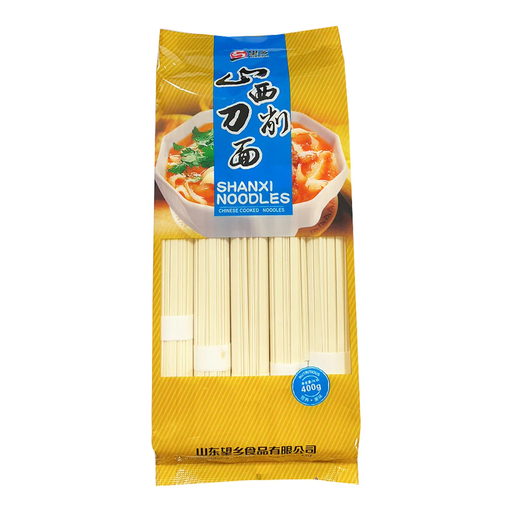
Why this fits the profile: The 400g packet is manageable for anyone wanting to try Chinese knife-cut noodles for the first time. According to the product description, the noodles are suitable for soup, stir-fry and sauces.
The cooking instructions clearly state 6–8 minutes. So you don't have to rely solely on the shape or marketing text.
400g, three stated uses and an ingredients list of wheat flour, water and salt.
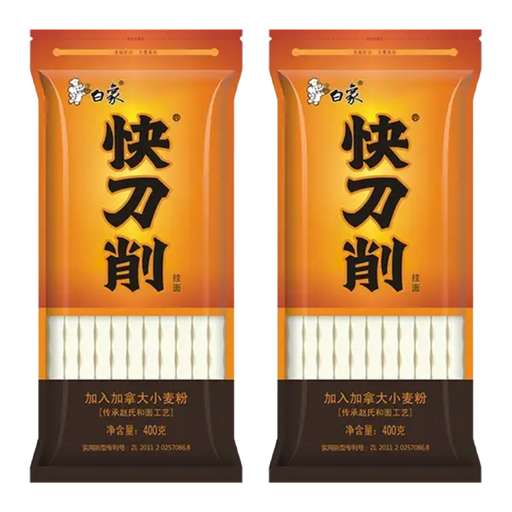
Why this fits the profile: If you care about shape and bite, this product offers 8mm wide noodles with a thicker middle and thinner edges, according to the product details.
The width and cooking time of 5–7 minutes are clearly stated. That makes comparison easier than relying solely on the term "knife-cut".
Two 400g packets, 8mm wide shape and the addition of konjac flour according to the label.
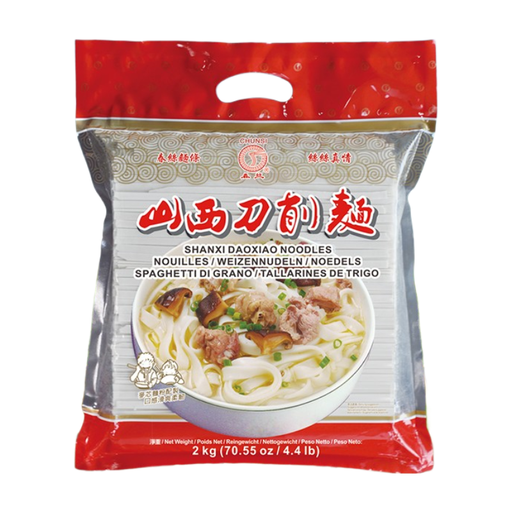
Why this fits the profile: The 2kg bag suits families, heavy users and catering customers who regularly prepare noodles for soup and stir-fry.
The product information states a cooking time of 8–12 minutes. That helps when planning a hearty noodle dish for large portions.
2kg content, simple ingredients and suitable for soup, stir-fry and sauces.
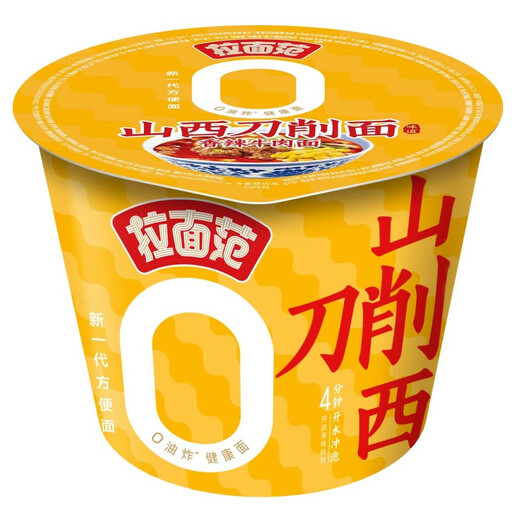
Why this fits the profile: The cup contains noodles, sauce, powder, vinegar and dried vegetables. According to the preparation instructions, the meal is ready in about 4 minutes.
The quantity and contents of the sachets are described. You can adjust the spicy sauce to your own taste.
110g per cup, four minutes of preparation and included vegetable and seasoning sachets.
We've put together a full, up-to-date list of products that fully meet these strict selection criteria and current European safety regulations.
Cook dried noodles in plenty of water according to the packet instructions. Stir gently so that wide noodles don't stick together. Drain them and add them to soup, sauce or a stir-fry dish. Instant noodles are usually prepared with boiling water or in a pan; follow the instructions on the cup or packet.
Store unopened dried noodles in a cool, dry place away from direct sunlight. Once opened, a well-sealed packet is important to avoid moisture and odours. Always check the best-before date on the packaging and do not use any product that is damp or damaged.
Instant noodles are convenient, but do check the salt and fat content of the seasoning sachets. You can supplement the meal with pak choi, carrot, egg, tofu or other ingredients. With spicy beef noodles, you can also start with less sauce or powder.
