
Livraison le jour même et le lendemain

Qualité garantie

Débloquez vos offres de bienvenue: Livraison GRATUITE | Jusqu'à -80 % | 30 jours d'essai gratuits à JoyPlus
Téléchargez l'application
Chinese knife-cut noodles are popular with home cooks looking for substantial noodles for soups, sauces or stir-fries. Yet many packs look alike. One variety may be broad and irregular, while another is thin and smooth. Pack sizes also vary considerably: from 250 or 400 grams for a single meal to 2 kilograms for families, meal prep or small-scale catering.
So don’t focus solely on words such as “authentic” or “traditional”. Check the ingredients, cooking time, shape and quantity in particular. This will help you avoid buying a product that isn’t suitable for your dish or household.
Names such as Shanxi knife-cut noodles, shaved noodles and dao xiao mian usually refer to a knife-cut noodle style. However, the exact shape can vary. Some products are broad and ribbon-like, while others are more like thick, straight wheat noodles.
That’s why you should check the product photo and description. A broad surface generally holds more sauce and broth. A thinner noodle may be more enjoyable in a clear soup.
Brands use terms such as “chewy”, “springy” or “firm” to describe the expected bite. These are not officially standardised measurements. According to Bai Xiang’s own product information, the noodle is approximately 8 mm wide, with a thicker centre and thinner edges. Wheatsun describes its Shanxi variety as thick, firm and smooth.
Use this information as a guide, but also check the ingredients list and cooking time. A longer cooking time doesn’t automatically mean better texture; the noodle may simply be thicker.
A 2-kilogram bag can be practical for a family, meal planning or high-volume use. However, a smaller pack may be more convenient if you only eat noodles occasionally. Once opened, dried Chinese noodles should be sealed properly and stored in a dry place. Also check the best-before date and follow the instructions on the packaging.
Most Chinese wheat noodles consist of wheat flour, water and salt. Some varieties contain additional ingredients, such as konjac flour or spinach powder. Bai Xiang lists wheat flour, wheat gluten, starch, salt and konjac flour among its ingredients. According to the product information, Youniyimian uses 0.4% spinach powder.
If you have an allergy or intolerance, always check the full packaging. The products mentioned list wheat and gluten as allergens. Also check the current labelling when your order arrives, as product information can change.
Choose your noodles based on the dish:
Bear in mind that Lanzhou noodles and Shanxi noodles are not the same. Lanzhou noodles are traditionally associated with thinner, hand-pulled noodles. Shanxi knife-cut noodles, on the other hand, are known for their broad or irregular knife-cut shape.
The cooking times stated in the product information range from approximately 3 to 12 minutes. Youniyimian recommends 3–5 minutes, Bai Xiang 5–7 minutes and Chunsi 8–12 minutes. Use the stated time as a starting point and taste the noodles shortly before the end.
Cook dried noodles in plenty of water and stir gently to reduce sticking. For stir-fries, you can cook them for slightly less time, drain them and finish cooking them in the pan. For soup, it’s often better to cook the noodles separately so the broth contains less starch.
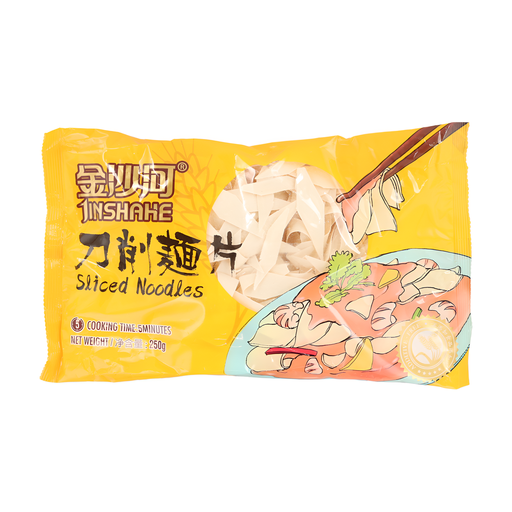
Why it suits this profile: The 250-gram pack is ideal for trying a knife-cut noodle style without immediately buying a large supply.
The product information states the pack size, ingredients and a cooking time of 5–7 minutes, so you don’t have to base your choice on the product name alone.
250 g pack; broad ribbon shape according to the product description; suitable for soups, stir-fries and sauces.
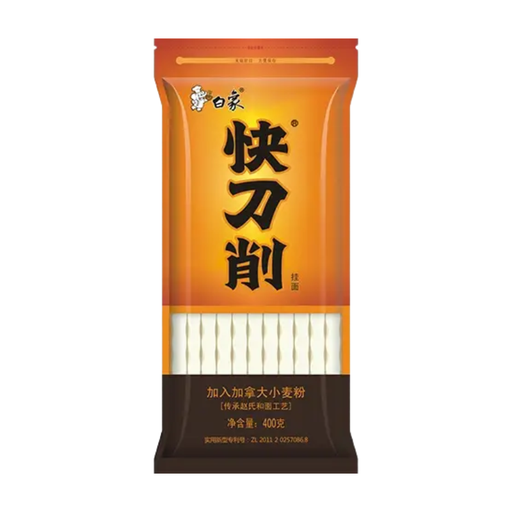
Why it suits this profile: The described 8 mm width, with a thicker centre and thinner edges, appeals to shoppers who pay particular attention to texture and noodle shape.
The product listing provides a specific width, ingredients list, nutritional values and cooking instructions for 5–7 minutes.
400 g pack; wheat flour, wheat gluten, starch, salt and konjac flour according to the label; suitable for soups or sauces.
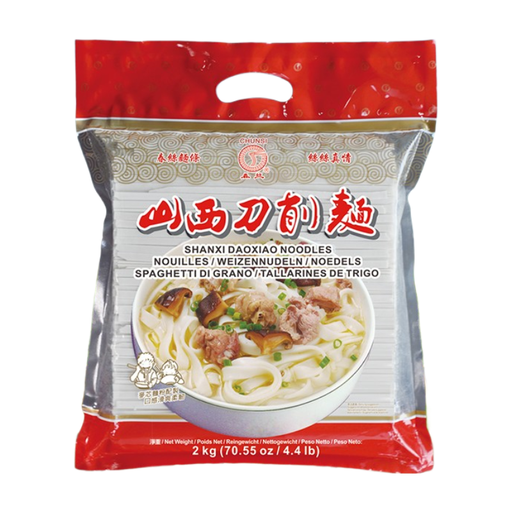
Why it suits this profile: The large pack is designed for families, meal prep, entertaining and shoppers who regularly prepare Chinese noodle dishes.
The product information states a cooking time of 8–12 minutes. This helps shoppers looking for a thicker noodle plan the preparation time realistically.
2 kg pack; simple ingredients including wheat flour, water and salt; suitable for soups, stir-fries and saucy dishes.
We’ve put together a complete, up-to-date list of products that fully meet these strict selection criteria and the applicable European safety regulations.
Use a large pan of boiling water and add the noodles only once the water is properly boiling. Stir gently during the first minute. Bear in mind that cooking times vary between brands:
Taste a noodle before draining the noodles. For soup, you can add the noodles directly to the broth if you prefer a fuller cooking liquid. For stir-fries, draining and briefly rinsing the noodles is practical, after which you can continue frying them with vegetables, egg, tofu or meat.
If you mainly prepare Korean dishes, consider Wang Jjajang Noodles For Jjajangmyeon in 453 grams or the large WANG Noodles Knife-Cut 1.36 KG pack. The product information links these products to Korean knife-cut noodles and jjajangmyeon. Their ingredients and cooking instructions differ from Chinese Shanxi varieties, so check the label before ordering.
Chinese knife-cut noodles are dried wheat noodles made in a knife-cut style. In particular, dao xiao mian from Shanxi is known for broad, irregular pieces with a firm bite. Modern factory-made products recreate this shape mechanically.
This depends on the thickness and the brand. The times stated in the product information range from approximately 3 to 12 minutes. Start with the time shown on the packaging and then taste the noodles to check their firmness. Don’t eat dried noodles raw; cook them thoroughly according to the instructions.
Store unopened packs in a cool, dry place away from direct sunlight. Seal an opened bag airtight and follow the instructions on the label. Choose a 2-kilogram pack mainly if you use the noodles regularly; for occasional use, 250 or 400 grams is often more practical.
