
Vandaag of morgen in huis

Kwaliteit gegarandeerd

Welkomstaanbiedingen ontgrendelen: GRATIS bezorging | Tot 80% korting | Gratis 30 dagen JoyPlus-proefperiode
Download de app
Chinese instant noodles are handy for students, busy professionals and fans of spicy Asian food. With boiling water or a pan, you can have a meal ready in minutes. However, many packets look alike. The differences often lie in the noodle base, seasoning sachets, cooking time and allergen information.
If you only look at eye-catching packaging or words such as “extra spicy”, you could end up buying a product that doesn’t suit your taste or diet. This guide helps you compare Chinese instant noodles, instant vermicelli, glass noodles and Luosifen rice noodles on practical points.
There’s no standard way to indicate spiciness. A product with a chilli or hotpot flavour profile may be more aromatic than hot, while another may contain plenty of chilli oil. Check whether the oil is added separately so you can adjust the heat to your taste.
With hot and sour noodles, the balance of vinegar, chilli and salt also makes a big difference. A sour soup can taste fresher than malatang or Sichuan noodles with a more intense seasoning profile.
Not all vermicelli is the same. Sweet potato noodles are generally smooth and springy when soaked or cooked properly. Potato starch, cornflour, pea starch and rice can all affect the bite and cooking method.
Pay attention to the cooking instructions, too. “Instant” doesn’t always mean that you only need to add hot water. Some Chinese glass noodles need to be boiled for a few minutes first.
A multipack often contains five sachets, but the nutritional information may be given per 100g. So don’t just compare the calories per 100g; check the net weight per serving as well. Also look at the salt content. Some spicy instant noodles are relatively high in salt because of the soup base and seasoning powders.
Choose according to how you plan to use them:
Check whether the product says “must be boiled” or whether it can be prepared with boiling water alone, as directed.
A pack with separate sachets for oil, vinegar, vegetables and powder gives you more control over the flavour. This is useful if you prefer less heat or want to add extra ingredients. With a single mixed seasoning base, the flavour is harder to adjust.
For a quick Asian meal, you can add extra pak choi, spring onions, egg, tofu or mushrooms. Add fresh ingredients only after checking the noodles’ cooking time.
Read the ingredients list before buying, even if you’ve eaten the product before. Many varieties contain ingredients such as:
Always follow the product information on the packaging. Also check the storage instructions, best-before date and any warnings about cross-contamination.
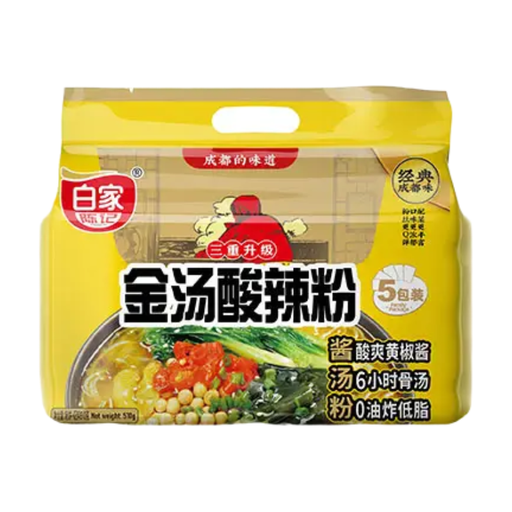
Why it suits this profile: A pack of five portions is handy for stocking up a student kitchen or office. According to the product information, the potato starch noodles are prepared with boiling water.
The product lists its ingredients and allergens separately, including soya, wheat and sesame. Its sour and spicy flavour is clearly described.
510g in total, five sachets and a non-fried noodle base, according to the product description.
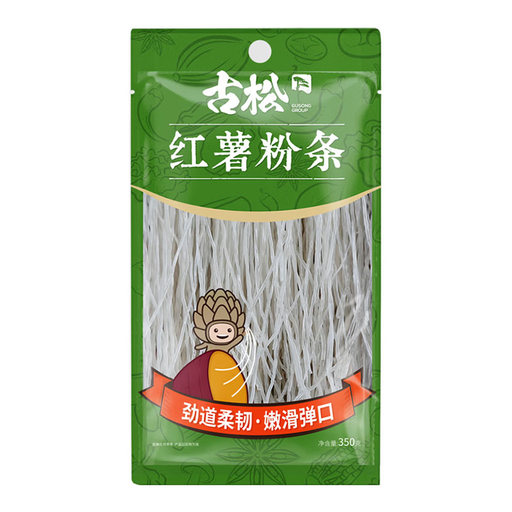
Why it suits this profile: If you prefer to create your own flavour, this makes a neutral base for hotpot, soup and stir-fries.
According to the product information, the ingredients are sweet potato starch and water. There’s no ready-made seasoning mix to dictate the flavour.
350g pack, a firm, smooth texture according to the description, and suitable for several cooking methods.
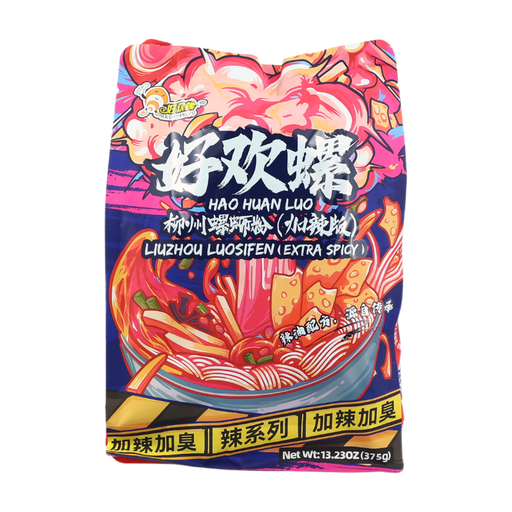
Why it suits this profile: Ideal for fans of a more elaborate Luosifen meal, with several toppings and a distinctive sour and spicy flavour profile.
The pack contains several separate sachets, including sour bamboo shoots, peanuts, tofu skin and chilli oil. This lets you see which ingredients you’ll be adding.
375g in total, with rice noodles and toppings. Please note: the product contains peanuts, soya and molluscs, among other ingredients.
We’ve put together a complete, up-to-date list of products that meet these strict selection criteria and the applicable European safety regulations.
The best-before date varies by product and is printed on the packaging. Store unopened products in a cool, dry place away from direct sunlight. Once opened, prepare and eat them according to the product instructions.
Not always. “Vermicelli” refers to thin noodles, but they can be made from different ingredients. Glass noodles are often made from starch and become transparent when cooked. Check the ingredients list for sweet potato, potato, pea or rice starch.
Use less chilli oil or seasoning powder, and add extra water or unsalted stock. Toppings such as egg, tofu and vegetables spread the flavour throughout a larger meal. Check the total salt content, though, as less chilli doesn’t automatically mean less salt.
