
Vandaag of morgen in huis

Kwaliteit gegarandeerd

Welkomstaanbiedingen ontgrendelen: GRATIS bezorging | Tot 80% korting | Gratis 30 dagen JoyPlus-proefperiode
Download de app
Chinese instant noodles are a convenient option for a quick meal, but the differences between bowls, sachets and multipacks can be significant. If you rely solely on a photograph or words such as “extra spicy”, you may end up with a product that is too salty, too small or awkward to prepare.
As a Joybuy Product Recommendation Officer, I therefore focus primarily on verifiable information: the noodle type, sachet contents, nutritional information, allergens and number of portions. This allows you to compare spicy instant noodles, Sichuan noodles and other Asian instant noodles based on practical details rather than marketing language.
A multipack may look like good value, but always check the net weight per sachet. Wu Gu Dao Chang contains five individual portions of 103 grams. The Bai Jia A Kuan pack with four bags contains 460 grams in total, which works out at approximately 115 grams per portion. A large carton may also contain several multipacks, so check the total number of individual portions.
For students or a household, an instant noodle multipack is practical. For a one-off lunch, a bowl is often simpler.
With Chinese noodles, the heat may come from chilli oil, chilli powder, Sichuan pepper or a combination of these. Mala generally refers to a combination of heat and a tingling, numbing sensation caused by Sichuan pepper. This is different from chilli heat alone.
The amount of sauce also affects the intensity. With some products, you can use only part of the oil or seasoning. This makes the flavour easier to adjust, but only when the sachets are packed separately.
Wide and thick noodles often need more time to soften than thin noodles. According to the product information, for example, a bowl with wide noodle sheets needs to soak for five to six minutes. Other products need to be cooked in a pan.
Also note the difference between soup noodles and dry mixed noodles. With hot and sour noodles or noodles with chilli oil, the water is often drained before the sauce is added. If you leave too much cooking water in the bowl, the flavour will be diluted.
As well as checking the name, find out whether the noodles are fried or non-fried. Wu Gu Dao Chang specifies non-fried wheat noodles. This does not, on its own, indicate the total nutritional value, as the sauce and oil also contribute.
Ideally, compare nutritional values per 100 grams and per portion. Wu Gu Dao Chang lists 403 kcal and 6.10 grams of salt per 103-gram portion. A Kuan Red Oil Broad Noodle lists 4.5 grams of salt per 100 grams. These figures show why it is important to compare the labels of different products side by side.
Some of the nutritional value comes from the oil and seasoning sachets. If you do not use all the contents, the final composition will change, but you cannot assign an exact nutritional figure without recalculating it.
Many Chinese instant noodles contain wheat and gluten. Depending on the recipe, they may also contain soya, sesame, peanuts, mustard, milk or buckwheat. Always read the current packaging before buying and preparing the product. The product information for A Kuan Mala, for example, lists wheat, soya, sesame and mustard as allergens; Yuanxianxian lists peanuts and sesame.
Also follow the preparation instructions on the packaging. Use boiling water where specified, and cook products that require preparation in a pan thoroughly according to the instructions.
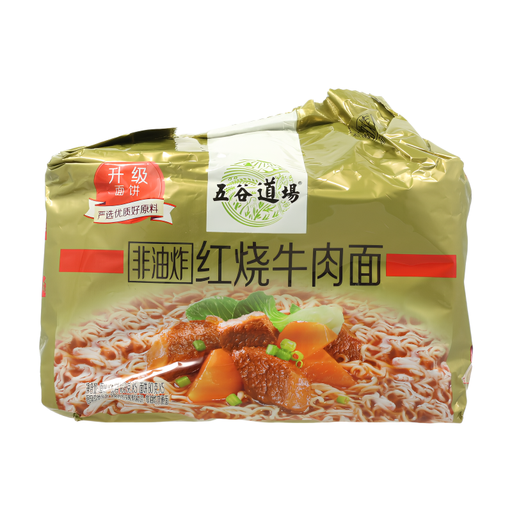
Why it suits this shopper: Five individual sachets make it easy to manage your supply. Preparation requires a pan and approximately 500 ml of water, making it suitable for a standard kitchen.
The number of portions and weight per portion are clearly stated. This makes it easier to compare the multipack with individual bowls.
Five individual packs, braised beef flavour and preparation instructions specifying a cooking time of four to five minutes.
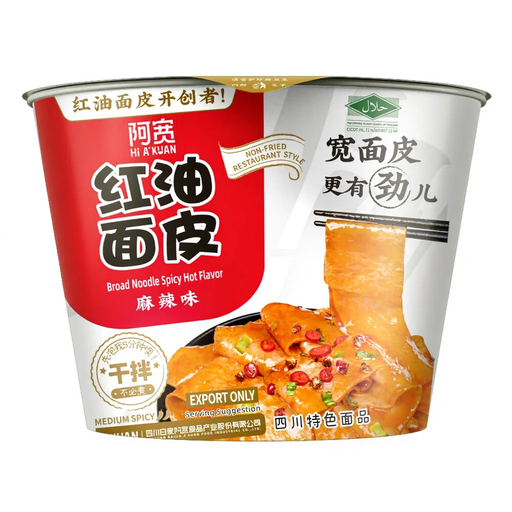
Why it suits this shopper: The wide, non-fried noodles and separate oil, seasoning, vinegar and vegetable sachets give you greater control over texture and flavour.
The packaging specifies a separate preparation method in which the water is drained completely. This prevents the chilli oil sauce from becoming unnecessarily diluted.
110 grams per bowl, wide noodles and a mala flavour profile with Sichuan pepper according to the ingredients list.
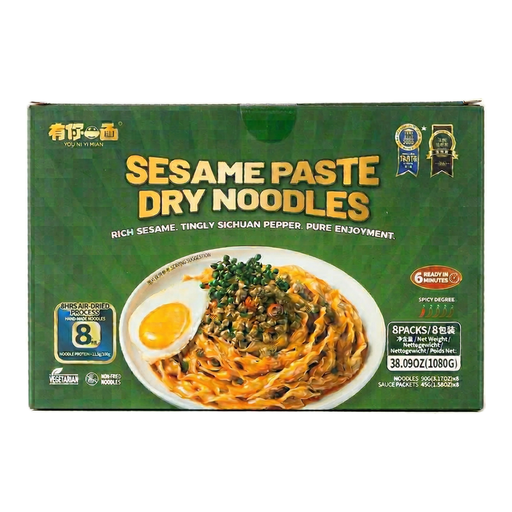
Why it suits this shopper: Eight 135-gram bags are ideal for households, keen cooks or smaller-scale bulk buyers who prepare Sichuan noodles more regularly.
Both the total quantity and the number of bags are stated. You are therefore buying a supply with predictable portions rather than an unclear bulk pack.
Sichuan pepper, sesame and chilli in the sauce; according to the product information, cooking takes five to eight minutes.
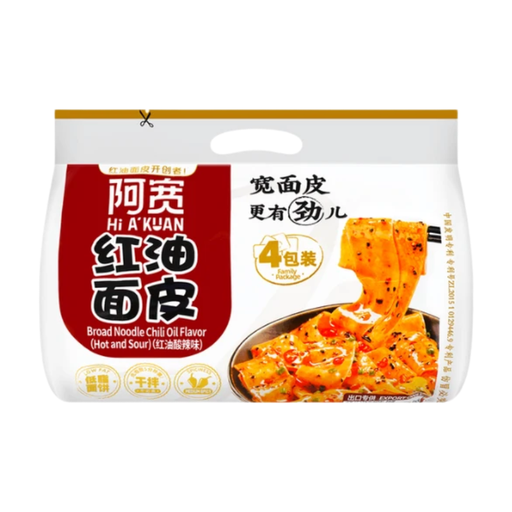
Why it suits this shopper: The combination of vinegar, chilli oil and wide wheat noodles is ideal if you are specifically looking for hot and sour noodles.
This pack contains four 115-gram bags. The portion size and flavour profile are therefore clear from the outset.
Four individual portions, wide flat noodles and a sauce containing vinegar, chilli and soya beans.
We have put together a complete, up-to-date list of products that fully meet these strict selection criteria and the applicable European safety regulations.
No. There are mild beef soups, sesame noodles, jjajang noodles and spicy Sichuan varieties. Check the flavour name and ingredients. “Mala”, chilli oil and Sichuan pepper usually indicate a distinctly spicier profile.
Store unopened products in a dry, cool place according to the packaging, away from direct sunlight and moisture. Shelf life varies by product. Once opened or prepared, it is best to eat the prepared portion immediately.
No. Korean instant noodles, such as jjajangmyeon or spicy chicken noodles, have different flavour profiles and preparation methods. However, they can be compared within the same Asian instant noodle category in terms of portion size, spiciness, sauce and packaging.
