
Vandaag of morgen in huis

Kwaliteit gegarandeerd

Welkomstaanbiedingen ontgrendelen: GRATIS bezorging | Tot 80% korting | Gratis 30 dagen JoyPlus-proefperiode
Download de app
Chinese instant noodles are handy for a quick lunch, late-night meal or store cupboard. However, products vary considerably in texture, preparation method, portion size and heat level. Attractive packaging tells you little about what will actually end up in your bowl.
Pay particular attention to these three common pitfalls:
The base has a major influence on the eating experience. Wide noodles hold on to chilli oil and sesame paste well and often have a firm, chewy texture. They work particularly well with Sichuan noodles, red-oil noodles and dry hot and sour noodles.
Thin wheat noodles usually cook more quickly and pair well with a soup base. Potato or glass noodles have a smooth, elastic texture. Also check whether the noodles are fried or non-fried. For non-fried varieties, this is usually stated in the product description; on its own, it says nothing about the meal’s overall nutritional value.
Chinese instant noodles can broadly be divided into two styles:
For fans of spicy instant noodles, chilli oil, Sichuan pepper and vinegar are useful indicators. Sichuan pepper creates a tingling, numbing sensation in the mouth, while chilli provides the heat. Chongqing noodles often also include a fragrant oil. Intensity varies by brand, so add oil or powder sachets gradually if necessary.
Packaging for the European market must clearly identify allergens. Many Chinese ramen and Asian noodles contain wheat, soya and sesame. Some varieties also contain peanuts, egg, fish, mustard, barley or sulphites.
Also check the nutritional values per 100 grams as well as the total net weight. Salt levels can vary considerably between products. If a product contains multiple sachets, it is also a good idea to read the packaging before adding everything.
Always follow the preparation instructions on the label. Information on a web page may change; the packaging takes precedence for ingredients, allergens, best-before dates and warnings.
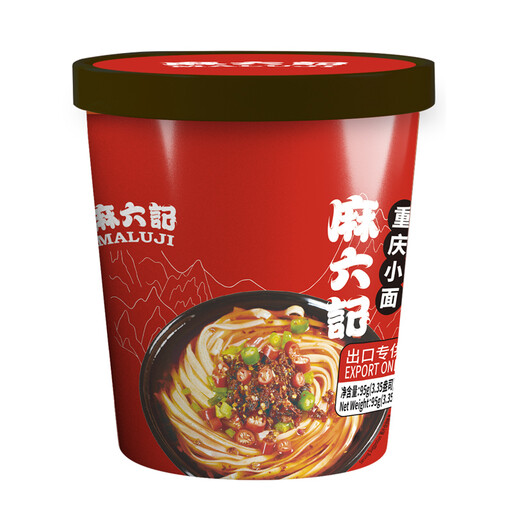
Why it suits this profile: A compact portion for trying Chongqing noodles without immediately buying a large supply. The product description mentions an oil sachet and vegetable sachet for quick preparation.
The ingredients list includes chilli, sesame and Sichuan pepper. This gives you a better idea of the flavour than the word “spicy” alone.
95 g portion, Chinese origin and an oil and vegetable sachet. Contains wheat and sesame.
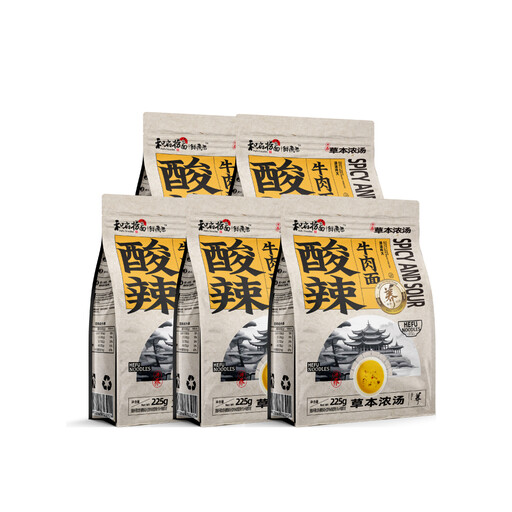
Why it suits this profile: Ideal if you are looking for a substantial meal set rather than just noodles with seasoning powder. The product description mentions stock, beef and pickled mustard greens.
The set states 225 g per portion and contains 5 packs. Wheat, egg, soya, peanuts, fish and sulphites are also listed as allergens.
Semi-dried wheat noodles, 75% beef in the beef sachet and a total weight of 1.125 kg.
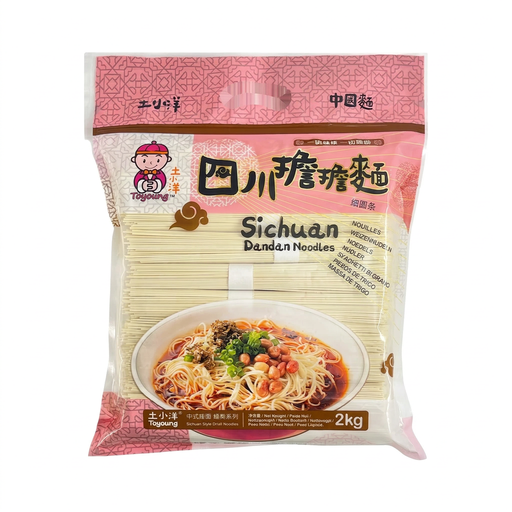
Why it suits this profile: A large pack for families, regular noodle eaters or anyone who wants to create their own Sichuan sauce and toppings.
The product consists of wheat flour, water and salt. You are buying a neutral base, so you decide how much chilli oil, sesame or other seasonings to add.
2 kg of dry noodles, suitable for soups, stir-fries and cold noodle salads. Contains wheat.
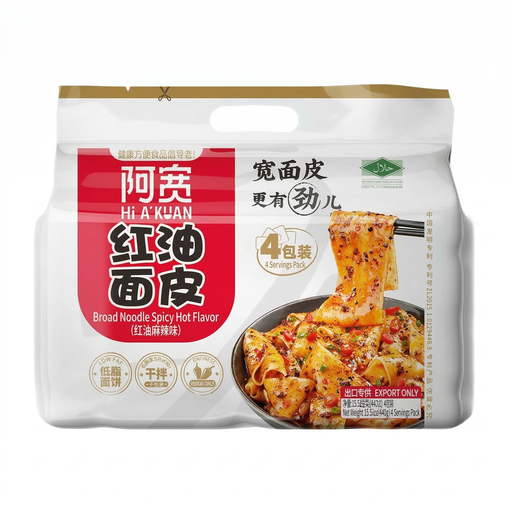
Why it suits this profile: For anyone who prioritises a firm noodle texture and a sauce that clings well. The pack contains 4 portions of 110 g.
The preparation method is clear: soak for 5–6 minutes, drain completely and then add the sachets. This prevents a watery red-oil sauce.
Wide wheat noodles, chilli oil and a 440 g portion pack in total. Contains wheat and soya.
We have put together a complete, up-to-date list of products that fully meet these strict selection criteria and the applicable European safety regulations.
A bowl variety such as Jinbai Wei Spicy Kung Pao is practical for the office: according to the product description, the noodles, sauce and vegetables are heated in the microwave with approximately 20 ml of water for 2–3 minutes. For a classic hot and sour flavour, you could also try A’Kuan Red Oil Noodles, where the vinegar and chilli oil are added separately.
No. The level of heat depends on the type of chilli, the amount of oil and the sauce provided. Sichuan and Chongqing noodles sometimes also contain Sichuan pepper, which creates a tingling sensation. Add the sachets partially if you want to adjust the flavour.
The shelf life is stated on the packaging. Store unopened products as advised, usually in a cool, dry place away from direct sunlight. Use an opened product immediately when the instructions specify this.
That depends on the product. A meal set with stock, beef and vegetables contains more components than a simple noodle sachet. You can supplement any variety with fresh vegetables, egg, tofu or another source of protein. Always check the allergen and nutritional information on the label before ordering.
