
Vandaag of morgen in huis

Kwaliteit gegarandeerd

Welkomstaanbiedingen ontgrendelen: GRATIS bezorging | Tot 80% korting | Gratis 30 dagen JoyPlus-proefperiode
Download de app
A bowl of Chinese instant noodles can be ready in minutes, but not every pack delivers the same experience. One variety may contain wide wheat noodles with Sichuan pepper, while another uses rice noodles, sour bamboo shoots and several topping sachets. Preparation methods also vary: some products need to be boiled for 8 to 12 minutes, while others only need to be soaked in boiling water.
Anyone who focuses only on terms such as “authentic”, “extra spicy” or “street food” could end up buying a product that does not suit their taste, allergies, available time or pantry. As a Joybuy Product Recommendation Officer, I explain below which details to check before ordering spicy instant noodles.
Spiciness is not the same as Sichuan málà. Product descriptions often associate Sichuan pepper with a tingling or numbing flavour profile, while chilli primarily adds heat. Luosifen from Liuzhou is also known for its sour aroma and flavour, created by pickled bamboo shoots.
Always look at the full flavour description:
A product labelled “spicy” on the front can therefore still taste sweet, sour, sesame-rich or intensely aromatic.
Not all ready-to-prepare noodles are immediately edible. Check whether the packaging calls for boiling, soaking or microwave preparation.
For a student room without a hob, a soak-in-water variety may be more practical. If you enjoy building your own bowl at home, loose Asian noodles without a complete sauce may be the better choice.
Chinese instant noodles often contain wheat, soy, sesame or peanuts. Luosifen may also contain molluscs if snail broth has been used. Always read the allergen information and check the current packaging.
Salt content also varies considerably. For example, the supplied product information lists 10.98 grams of salt per 100 grams for Luobawang Extra Spicy Luosifen. Other products may contain less, but that does not automatically make them suitable for every diet. Nutritional values can change depending on the recipe or packaging, so check the label on the product you receive before consumption.
The noodle itself determines how well the sauce clings and how substantial the meal feels.
Also check the net weight and number of servings. A multipack containing five individual portions is more convenient for a household than a single 2 kg bag, while high-volume users may get better value from dried noodles.
Check the instructions before placing your order:
Follow the stated preparation time. Soaking for too little time can leave the centre hard, while overcooking can make the noodles limp. Add sauce and oil sachets only once the noodles have been prepared according to the packaging.
A complete Chinese noodle soup often includes separate sachets of broth powder, chilli oil, vinegar, vegetables or toppings. This creates more layers of flavour, but makes it even more important to read the ingredients list.
Hao Huan Luo, for example, lists sour bamboo shoots, peanuts, fermented tofu and coriander among its ingredients. Dan Dan varieties commonly feature sesame paste, chilli oil and Sichuan pepper. Chongqing noodles may include pea or bean paste. According to the brands’ own product descriptions, these combinations are intended to recreate regional flavours; treat them as product positioning rather than a universal guarantee of quality.
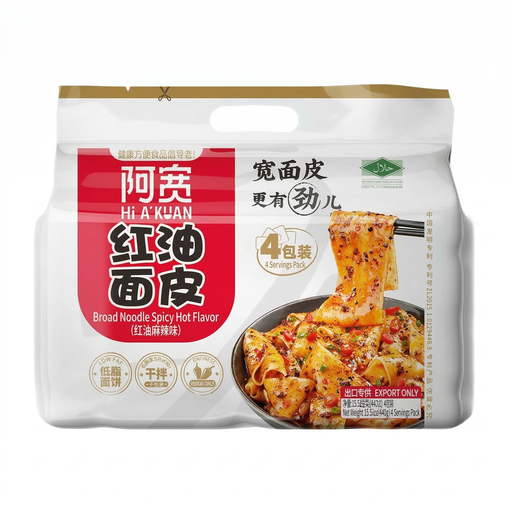
Why This Fits Their Persona: A practical choice for students and beginners who want to try wide Sichuan-style noodles without a hob. According to the product information, preparation involves soaking the noodles in boiling water for 5 to 6 minutes.
The preparation time and method are clearly stated, so there is no need to make an entire pan of broth.
440 g pack; wide wheat noodles; separate spicy sauce and seasoning sachets.
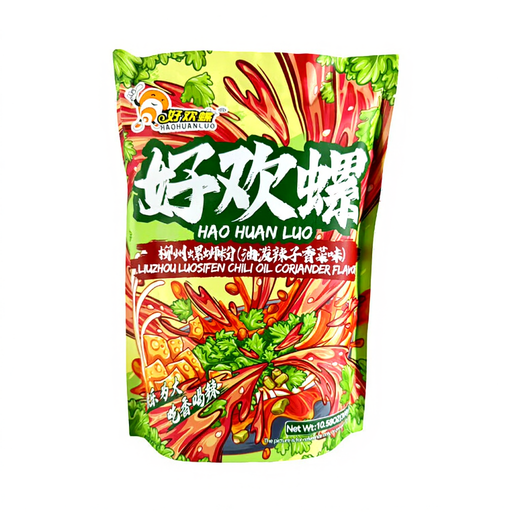
Why This Fits Their Persona: For foodies who want to pair Chinese rice noodles with sour bamboo shoots, peanuts, fermented tofu and chilli oil.
The product information specifies the toppings and cooking time rather than relying solely on a generic spiciness claim.
270 g; rice noodles; multiple topping sachets; preparation instructions using approximately 500 ml of water.
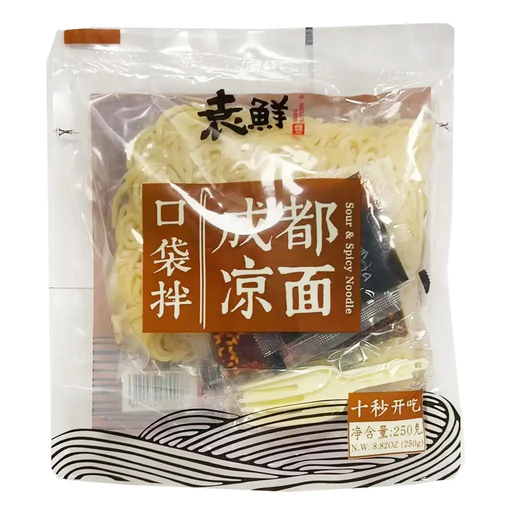
Why This Fits Their Persona: According to the product information, this ready-to-eat variety is pre-cooked. Simply open the pack and mix the noodles with the sauce and toppings.
You are not paying for a supposedly quick meal that still requires a lengthy cooking step; preparation simply involves mixing.
250 g; Chengdu-style; sauce, seasonings and toppings included; ready to mix.
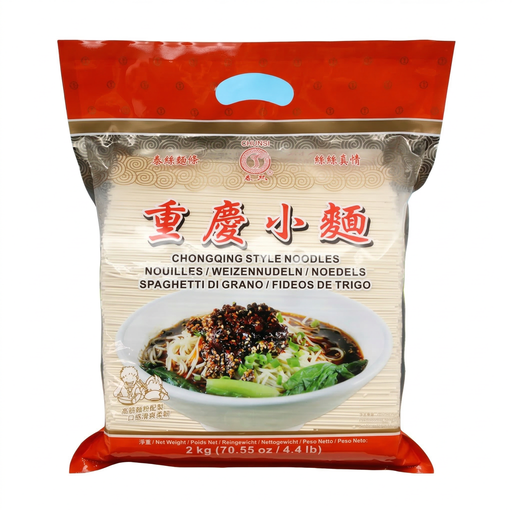
Why This Fits Their Persona: A generous supply of thin wheat noodles for anyone who wants to prepare Chongqing noodle soup, stir-fried noodles or their own Dan Dan sauce.
You deliberately choose noodles without a fixed sauce, giving you complete control over the amount of chilli, vinegar and Sichuan pepper.
2 kg; cooking time of approximately 3 to 5 minutes; suitable for soups, cold noodle dishes and stir-fries.
Explore a current selection of products that match these practical selection criteria and the product information available on Joybuy.nl.
Follow the instructions on the packaging. Boil-in-water noodles typically need several minutes in plenty of boiling water. Soak-in-water varieties are covered with boiling water and left to stand. Drain the water when instructed, then add the sauce sachets. For noodle soups, the cooking water generally remains part of the dish.
The exact date is printed on the packaging. As a rule, store unopened products in a cool, dry place away from direct sunlight. Product descriptions generally recommend consuming the noodles immediately after preparation. Do not store an opened pack with mixed sauce for later consumption.
That depends on the ingredients list. Many varieties contain wheat and soy; Dan Dan noodles often also contain sesame, while Luosifen may include peanuts or molluscs. Check the latest allergen information before ordering and preparing the product.
