
Vandaag of morgen in huis

Kwaliteit gegarandeerd

Welkomstaanbiedingen ontgrendelen: GRATIS bezorging | Tot 80% korting | Gratis 30 dagen JoyPlus-proefperiode
Download de app
Chinese instant noodles are handy for a quick lunch, a store-cupboard staple or a warm meal after a busy day at work. Yet the packaging varies enormously. One contains a thin wheat noodle and soup base, another wide rice noodles, instant vermicelli or a sauce for dry noodles with chilli oil.
If you rely only on a photo or the words “authentic flavour”, you could end up buying a product that doesn’t suit the way you want to prepare it. So pay close attention to the ingredients, portion size, cooking time and allergens.
Spicy instant noodles can combine chilli, Sichuan pepper, vinegar and chilli oil. This gives not just heat, but also sourness and a tingling, numbing sensation in the mouth. However, the packaging doesn’t always include a fixed scale for spiciness.
So check the sachets:
You can usually start with just part of the oil or seasoning mix. That way, you can adjust spicy instant noodles without having to discard a whole portion.
A 500-gram pack might contain five portions, while a 110-gram bag is one meal. With Chinese noodle soup, the amount of water also counts towards the final volume, but not towards the quantity of noodles or seasonings.
So look at:
For a family or a store cupboard, multipacks such as five or eight portions are practical. For a student or someone who wants to try different flavours, individual pots or sachets are easier to manage.
A flavour name like spicy beef soup or kung pao doesn’t always describe the amount of meat. Check the ingredients list and allergen information. Bai Xiang artificial spicy beef soup flavour, for example, contains wheat and soya; the product information mentions a noodle block, soup base and dried vegetables.
If you eat vegetarian food, have an allergy or avoid certain ingredients, you must check the full product packaging. Recipes and labels can change.
Wheat noodles are common in Sichuan noodles, Chongqing noodles and Dan Dan noodles. Thinner noodles often cook in three to five minutes. Wide noodles hold more sauce and give a firmer bite.
Wide rice noodles and instant vermicelli have a different structure. Vermicelli made from sweet potato starch often becomes transparent and elastic after soaking. That works well with a hot and sour preparation using vinegar and chilli oil.
Also note the difference between fried and non-fried noodle blocks. That doesn’t in itself mean one product is healthier, but it does affect texture, cooking and nutritional values.
Follow the instructions on the packaging. Examples from the range:
Dry noodles with chilli oil are usually drained before the sauce is added. With Chinese noodle soup, some of the cooking water stays in the bowl. That difference determines the intensity of the flavour.
Wheat, soya, sesame, peanut, mustard and sulphites are common in Chinese instant noodles. If you have an allergy, always read the label on the current packaging.
Also compare the nutritional information per 100 grams and not just per pack. The seasoning sachets can provide a significant amount of the salt and fat. You can use less of the flavoured oil or add extra vegetables, egg, tofu or spring onion. That changes the taste and portion, but doesn’t replace checking the original ingredients.
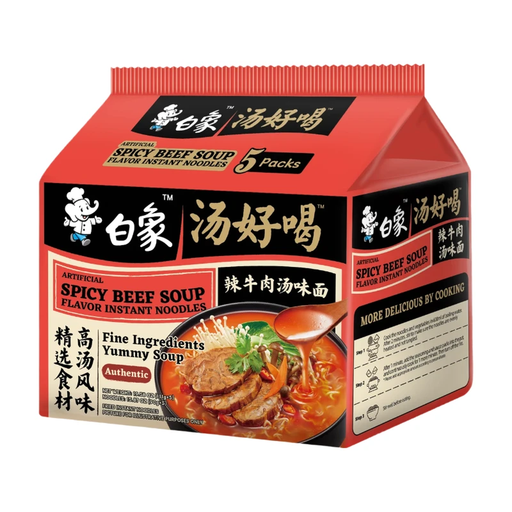
Why this fits the profile: The pack contains five portions of 111 grams each. That makes this Chinese noodle soup suitable for students, a shared store cupboard or a quick meal without needing separate ingredients.
The number of portions and the cooking method are clearly stated. The flavour is based on a soup base with herbs and vegetables, not just a separate oil sachet.
5 × 111 grams, three to five minutes preparation and separate sachets for soup base and vegetables.
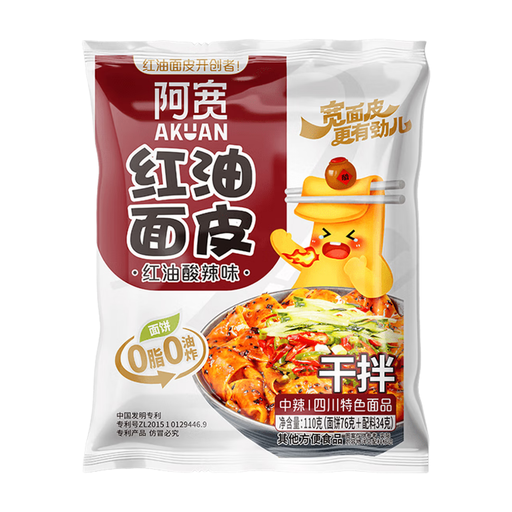
Why this fits the profile: For fans of dry Sichuan noodles with a pronounced combination of sourness, chilli oil and wide, firm noodles.
The product information mentions separate sachets for oil, seasoning and vinegar. This means you can control the intensity yourself.
Wide noodles with wheat flour and potato starch; ready after approximately two minutes of soaking and draining.
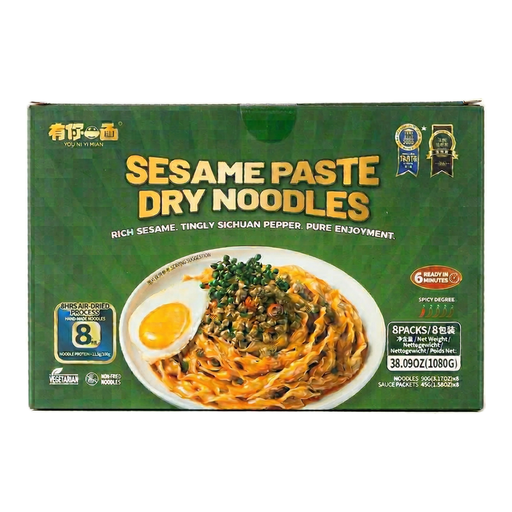
Why this fits the profile: The bulk pack of 1080 grams is designed for regular eaters, families and home cooks who want to add their own toppings and extra chilli oil.
You are mainly buying noodles and sauce separately, so you can supplement the portion with egg, vegetables, peanuts or spring onion.
8 packs, wide noodles and a Sichuan pepper sauce; five to eight minutes cooking time.
We have put together a full, up-to-date list of products that fully meet these strict selection criteria and comply with current European safety regulations.
First check whether you need to soak, boil or drain them. For dry noodles, add the sauce only after draining. For soup noodles, the cooking water stays in the bowl. Use the amount of water stated on the label to avoid a taste that is too salty or too thin.
Store unopened packs in a cool, dry place away from direct sunlight. The best-before date is on the packaging. After opening, it is best to keep individual sachets sealed and consume prepared noodles immediately.
The price per portion depends on the size, the number of sachets and the seasonings included. A multipack can be practical for regular users, while a single pot is more suitable if you want to try a flavour first. Always compare the price per portion and the net weight when you want to buy Chinese noodles.
