
Vandaag of morgen in huis

Kwaliteit gegarandeerd

Welkomstaanbiedingen ontgrendelen: GRATIS bezorging | Tot 80% korting | Gratis 30 dagen JoyPlus-proefperiode
Download de app
Chinese instant noodles are handy for a quick meal, a late-night snack, or a store-cupboard staple. However, the products vary greatly. A bowl with beef flavour is not the same as Sichuan noodles with chilli oil, and a bag of rice noodles requires a different preparation method to wide wheat noodles.
If you only look at an attractive packet or a low price, you could end up with a product that is too salty, doesn't suit an allergy, or simply doesn't contain enough portions. With these practical checkpoints, you can compare Asian instant noodles based on the information on the product packaging and product page.
Terms like "spicy", "beef" or "hot-and-sour" give you an idea, but not the full flavour experience. So, check the ingredients and the type of sauce or broth. Sichuan noodles, for example, often contain chilli, vinegar and Sichuan pepper. With beef instant noodles, the flavour may come mainly from spices, soy sauce and beef flavouring.
With products that contain multiple sachets, you can adjust the flavour more easily. For instance, add only part of the chilli oil first if you're not used to strong heat.
Some products are prepared with boiling water and a few minutes of steeping. Other Chinese noodles need to be cooked in a pan. This difference is usually clearly stated on the product page.
A product like Chengdu cold noodles can be mixed directly with the sauce, according to the description. In contrast, hand-cut noodles and dried noodles need to be boiled first. So, look at the preparation time, the amount of water needed, and whether you require a pan.
Noodles in bulk packs are practical for families or frequent eaters, but compare the number of portions and the weight per portion. A 1 kg bag of dried noodles contains no seasoning or broth. You'll need to add those yourself. A box of 12 pots, on the other hand, contains portions, flavourings and sometimes dried vegetables.
Also, check the best-before date and storage instructions. Store dry noodles in a cool, dry place, away from moisture and direct sunlight. Once opened, the packaging should be sealed tightly.
The shape affects not only the mouthfeel, but also how much sauce clings to the noodle.
Always check the allergen information. In this category, you'll find wheat, gluten, soya, peanut, sesame, egg, celery and molluscs among others. Luobawang Luosi Noodles, for example, lists wheat, soya, peanut and molluscs. A'KUAN Broad Noodle Sesame Paste Flavour contains wheat, soya and sesame, among others.
Even if a product carries a halal claim, you should still check the actual packaging and ingredients list. Don't use a brand's marketing claims as a substitute for the official label.
Compare the nutritional values per 100 g, but also look at the total weight of the portion. The amount of salt can vary significantly. The Bai Xiang Classic Spicy Beef Flavour, for example, lists 4 g of salt per 100 g, while other varieties may have a higher or lower value.
That doesn't mean one flavour is suitable for everyone. If you want to use less seasoning, you can hold back some of the powder or oil. The nutritional value will then change, but the exact amount depends on what you add.
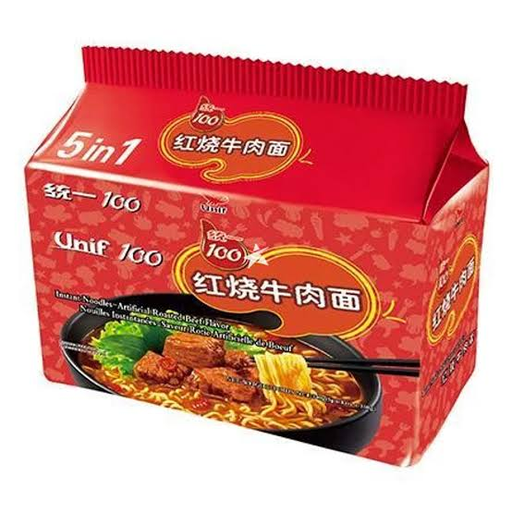
Why this fits the profile: The five individual bags are straightforward for students, small households, and anyone wanting to try a classic beef flavour first.
The weight is clearly stated as 5 × 100 g. According to the product information, preparation takes about 5 minutes.
Wheat noodles, broth powder and dried vegetables are in a portion pack. Contains wheat and soya.
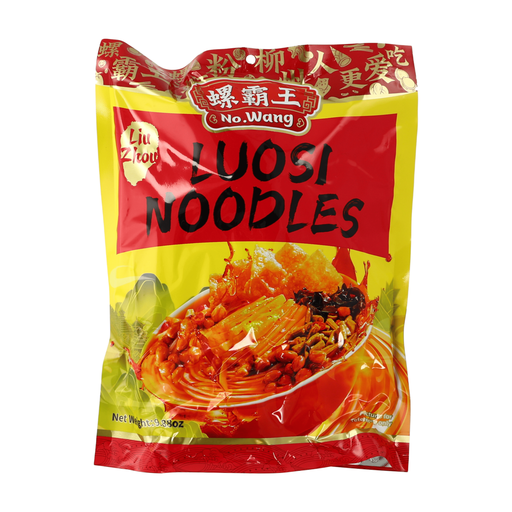
Why this fits the profile: These rice noodles are designed for anyone wanting to prepare a regional Chinese noodle soup with multiple layers of flavour.
The pack contains eight separate ingredient sachets. This means you can see in advance which flavourings and toppings are being added.
Rice noodles with broth, pickled bamboo shoots, vegetables, peanut and chilli oil. According to the description, preparation takes about 5 minutes.
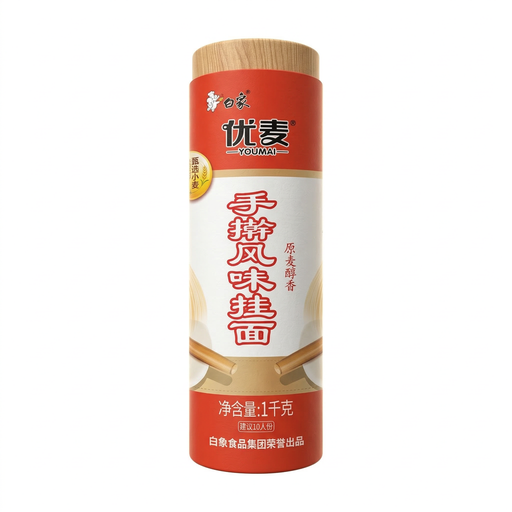
Why this fits the profile: Suitable for families and frequent eaters who want to make their own soup, stir-fried noodles or cold noodle dishes.
These are dried noodles without fixed seasoning sachets. So, you're not paying for seasonings you might not use.
1 kg content, ready in about 4 to 6 minutes, and suitable for soup, stir-fries and cold preparations.
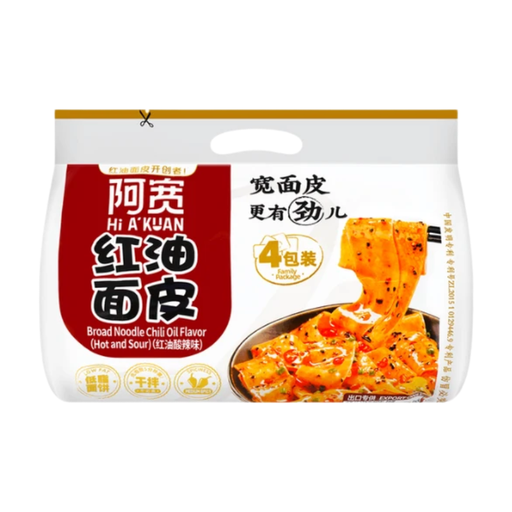
Why this fits the profile: A fitting choice for anyone looking for a dry noodle meal with chilli oil, vinegar and a distinct sour-spicy flavour.
The flavour components are packed separately. You can control the amount of chilli oil and sauce yourself.
Four portions totalling 460 g, with wide wheat noodles and preparation by steeping or a short boil.
We've put together a full, up-to-date list of products that fully meet these strict selection criteria and current European safety regulations.
Always follow the instructions on the packet. With many instant noodle soup products, you put the noodles and seasonings in a bowl, add boiling water and wait 3 to 5 minutes. Other varieties need to be boiled in a pan and then drained. Wide noodles with sauce are usually first soaked or boiled and then mixed.
The exact best-before date is on the packaging. Store unopened products in a cool, dry place away from direct sunlight. Once opened, it's best to keep dry noodles in an airtight container. Prepared noodles, especially products with fresh or pre-cooked ingredients, should be eaten immediately after preparation.
The price per portion depends on the weight, the number of bags and the contents of the flavour sachets. A large pack of dried noodles can be good value if you already have broth and toppings at home. For convenience, you often pay for individual portions, sauce, seasonings and vegetables. So, compare the price per 100 g and the number of complete meals.
