
Vandaag of morgen in huis

Kwaliteit gegarandeerd

Welkomstaanbiedingen ontgrendelen: GRATIS bezorging | Tot 80% korting | Gratis 30 dagen JoyPlus-proefperiode
Download de app
Chinese instant noodles are a convenient option for a quick meal, but the differences between packs can be significant. One variety is ready after just five minutes of soaking, while another needs to be cooked on the hob. Likewise, terms like mala, Sichuan and Chongqing don't automatically tell you how spicy, sour or numbing the flavour will be.
With this buying guide, you can compare Asian instant noodles on practical points: noodle texture, preparation method, flavour profile, portion size and packaging.
A product might be sharp from chilli oil, but it could also have a tingling effect from Sichuan pepper. The latter is often described as mala. With hot and sour noodles, vinegar also plays a clear role. So check whether the ingredients list chilli, Sichuan pepper, vinegar, sesame or bean paste.
According to the brands' own product information, different varieties contain combinations of chilli, Sichuan pepper, sesame oil and spices. The final taste experience can vary from person to person. If you're unsure, start by using only part of the oil or vinegar sachet.
A 440g bag might contain multiple portions, whereas a 110g or 115g bowl is intended for a single serving. Always check:
A 5-pack is practical for students, families and store cupboards, but it takes up more space and usually comes in one fixed flavour.
Some wide noodles only need to soak in boiling water for five to six minutes. Other Chongqing noodles need to be boiled for three to four minutes. Udon noodles may require a short cooking or microwave preparation. Read the instructions before you order, especially if you plan to eat at the office, in a student room or without access to a hob.
Wide noodles often hold a lot of sauce and give a firm, springy bite. They work well with red oil noodles, Dan Dan noodles and Sichuan noodles where the sauce is added separately. Thin noodles mix more quickly with a broth or soup base.
Look out for the description “non-fried”. This refers to the production method, but it isn't an automatic statement about the overall nutritional value. For that, check the full nutritional information table.
With dry noodles, you usually drain the soaking or cooking water completely. Then you mix oil, powder, vinegar and any sesame paste through the noodles. With a Chinese noodle soup, some of the cooking water is retained. Check this difference in the preparation instructions.
Examples:
Many Chinese instant noodles contain wheat, soya and sesame. Some products also include peanut, mustard, egg or barley. Check the allergen list on the product page and on the packaging.
Only compare salt values when the measurement basis is the same. A value per 100g is not the same as a value per full bowl. Also, don't automatically add all the sauce to your meal if you want to adjust the flavour or the amount of oil and salt.
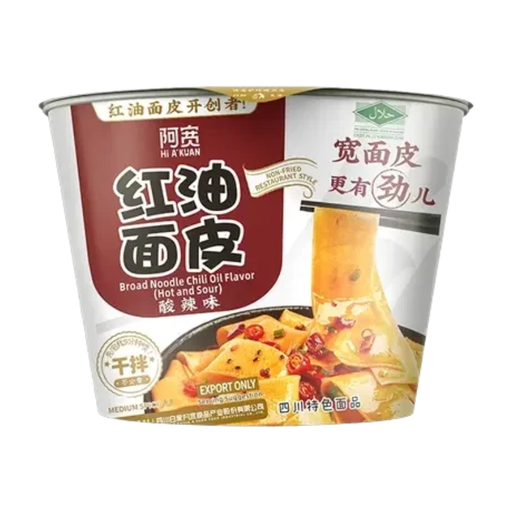
Why this fits the profile: The single bowl is straightforward for anyone trying spicy instant noodles for the first time who doesn't need a bulk pack.
The weight per bowl and the separate oil, powder and vinegar sachets are clearly described. This way you can see what you're buying and control the flavour.
115g per bowl, wide noodles and a combination of spicy and sour flavour. Quick to prepare as a meal or snack.
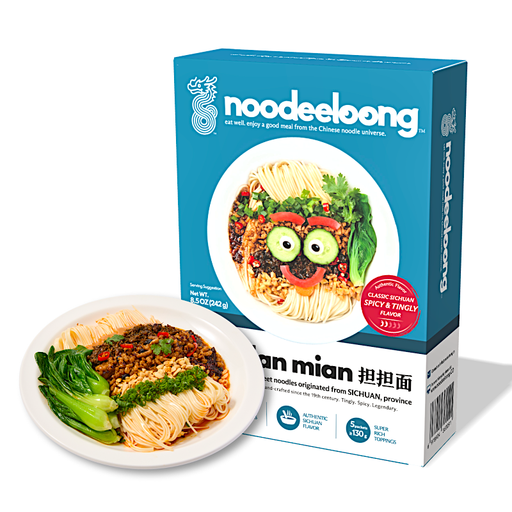
Why this fits the profile: This variety comes with separate sesame sauce, chilli oil and seasoning powder. That suits enthusiasts who care about sauce construction and texture.
The preparation method states 4 to 5 minutes of boiling and adding a few tablespoons of cooking water. This makes the difference between dry sauce noodles and soup clear.
242g net weight, separate sesame sauce and chilli oil, with a described Sichuan Dan Dan flavour.
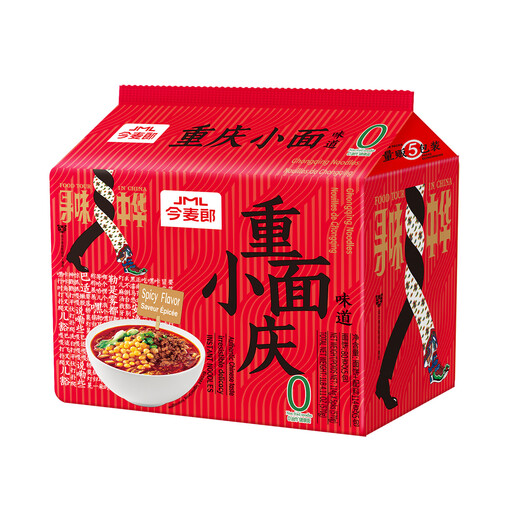
Why this fits the profile: The pack contains five individual 114g portions. That's ideal for a household or for anyone who eats Chinese instant noodles regularly.
It's clearly a 5-pack and the instructions mention 550ml of water and three minutes of boiling. You can easily plan your stock and preparation in advance.
Five individual packs, non-fried noodles according to the product description, and sachets for sauce, seasoning and vegetables.
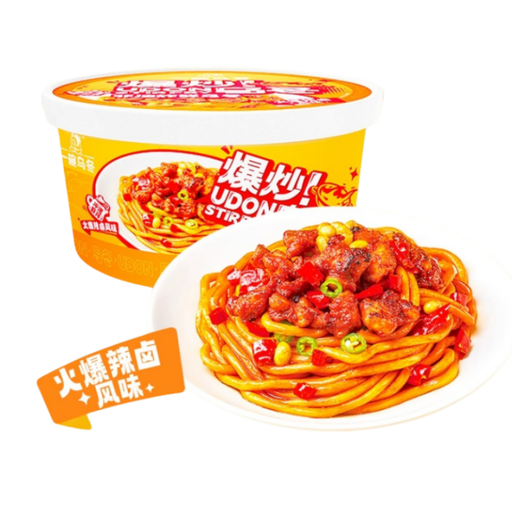
Why this fits the profile: If you prefer thick, soft udon noodles over thin ones, you get a different texture and preparation method.
The instructions mention boiling, draining and stir-frying. This prevents you from treating the product like a bowl that's only prepared with hot water.
240g pack, udon noodles and separate sachets with sauce, oil and sesame for a stir-fry preparation.
We've put together a full, up-to-date list of products that fully meet these strict selection criteria and comply with current European safety regulations.
The best-before date is on the packaging. Store unopened products in a cool, dry place away from direct sunlight. According to the product information, prepared noodles and opened sachets are best consumed immediately.
No. Sichuan noodles, mala noodles and red oil noodles often contain chilli or Sichuan pepper, but the intensity varies. Hot and sour noodles combine heat with acidity. Check the ingredients and add the sauce in stages.
A 5-pack is practical if you regularly eat the same flavour and want to stock up. An individual bowl is more convenient if you want to compare flavours or have limited storage space. Compare the price per 100g and the number of portions, not just the price of the outer pack.
