
Vandaag of morgen in huis

Kwaliteit gegarandeerd

Welkomstaanbiedingen ontgrendelen: GRATIS bezorging | Tot 80% korting | Gratis 30 dagen JoyPlus-proefperiode
Download de app
Chinese instant noodles are a handy option for a quick meal, but the differences between sachets, pots, wide noodles and vermicelli are significant. Spicy sauce noodles are eaten differently from noodles in chicken broth. Packaging, allergens, salt content and halal information also deserve your attention before you order online.
Product listings often use terms like “rich”, “authentic” or “premium”. These are usually brand descriptions rather than objective quality guarantees. So it’s best to focus on verifiable details on the product page and packaging.
A bulk pack is practical if you eat noodles regularly. For occasional use, however, a 750 g or 1,000 g bag can be less convenient: you’ll need to add your own sauce, broth and toppings, and seal the opened pack properly. Always compare the total quantity, the number of servings and the preparation per serving.
Spicy instant noodles sometimes contain mainly oil, chilli and spices. That adds flavour, but doesn’t automatically make a substantial meal. Check whether there are vegetable sachets, egg, meat extract or other ingredients included. With a dry sauce noodle, you usually drain the water; with soup noodles, the broth stays in the bowl.
A product title isn’t enough for dietary choices. Look at the ingredients list, allergen information and halal certification on the product page and on the packaging. For example, the range includes a Baixiang variant with a halal label. That doesn’t mean all Chinese instant noodles are automatically halal. Also watch out for wheat, soya, egg, celery, sesame and possible traces.
Preparation varies by product. Uni-President 100 Instant Noodles requires around 5 minutes of boiling according to the product information. Baijia A’KUAN Broad Noodle Spicy Hot Flavour is soaked in boiling water for 5 to 6 minutes and then drained. Other variants may need a pan, microwave or around 500 ml of water.
Follow the packaging instructions carefully. With dry sauce noodles in particular, it’s important to drain the water completely before adding the sauce. Raw flour or dough products must not be eaten.
Compare the values per 100 grams, but also take the serving size into account. Salt levels vary across product information. For example, Baixiang chicken broth noodles list 4.7 g of salt per 100 g, while some beef variants come out higher or lower. The exact amount also depends on how much of the seasoning and sauce sachets you add.
Always check for:
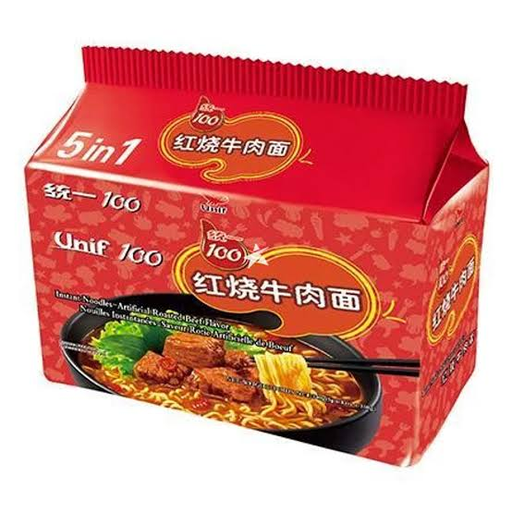
Why this fits the profile: A 5-pack is manageable for students, small households and anyone wanting to try a beef variant first. The stated preparation time is around 5 minutes.
The fixed packaging makes the quantity clear. The ingredients list and allergen information include wheat and soya, among others.
5 sachets of 100 g, beef flavour and dried vegetables in a separate sachet.
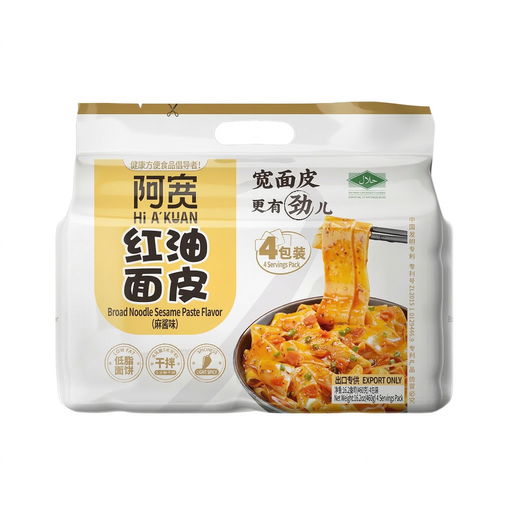
Why this fits the profile: The wide noodle texture and sesame paste appeal to shoppers looking for more texture and sauce variety than standard soup noodles offer.
The preparation instructions clearly state: soak for 4 to 5 minutes, drain, then add the sauce sachets.
Non-fried wide noodles, 460 g total and individual portions.
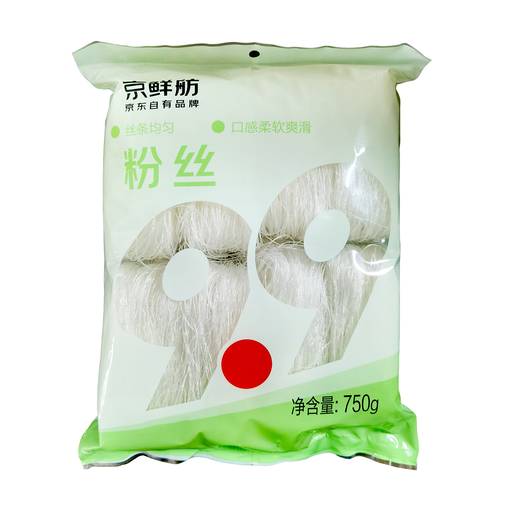
Why this fits the profile: The large pack suits households that regularly make soup, stir-fries, salads or spring rolls.
The product information mentions multiple uses and states that soaking and brief boiling are required; this is not a ready-to-eat product.
750 g, 97% wheat starch and 3% pea starch according to the product information.
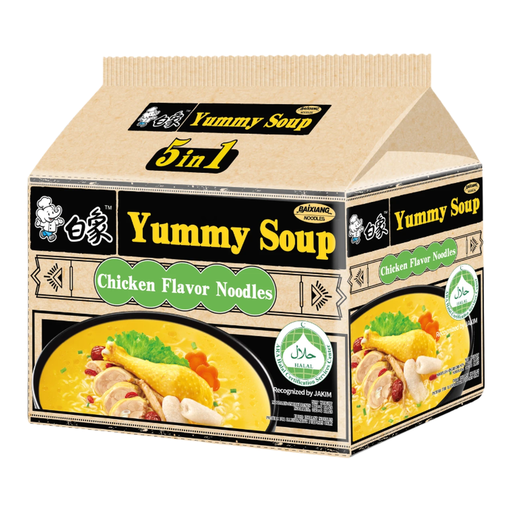
Why this fits the profile: The product listing includes a halal label and a 5-pack. This makes the variant practical for households with specific dietary requirements.
The listing mentions halal and lists allergens. Before purchasing, also check the current packaging and certification information.
5 servings of 96 g, chicken broth flavour and preparation with around 500 ml of boiling water.
We’ve put together a full, up-to-date list of products that fully meet these strict selection criteria and comply with current European safety regulations.
Follow the instructions on the packaging. With soup noodles, you usually add boiling water and leave the noodles to stand for a few minutes. Wide sauce noodles are often soaked and then drained. Add the seasoning oil and sauce at the right moment to avoid altering the balance unnecessarily.
Store unopened packs in a cool, dry place away from direct sunlight. Check the best-before date on the packaging. Once opened, dry noodles should be sealed tightly. Prepared noodles, especially with sauce or broth, should be eaten straight away and not stored again.
Some products are offered as halal, such as the Baixiang variant with a halal label mentioned above. Other Chinese noodles are not automatically halal. So always check the halal label, ingredients, allergens and current packaging before buying instant noodles.
