
Vandaag of morgen in huis

Kwaliteit gegarandeerd

Welkomstaanbiedingen ontgrendelen: GRATIS bezorging | Tot 80% korting | Gratis 30 dagen JoyPlus-proefperiode
Download de app
Chinese instant noodles are a convenient option for a quick meal, but not every pack offers the same experience. The difference isn’t just about flavour. The noodle texture, preparation method, amount of sauce, level of heat and allergens all determine whether a product is right for you.
If you only look out for phrases like “zero fat”, “authentic flavour” or “extra spicy”, you could end up with a less suitable option. Below are the key points to consider for shoppers in the UK who want to buy wide noodles, sesame noodles or Sichuan noodles.
Some potato or starch noodles state 0 g fat per 100 g on the product information. However, that doesn’t automatically apply to the sauce. Chilli oil, sesame paste and other flavour sachets can increase the nutritional values of the complete meal.
Always compare the nutritional information for noodles plus sauce when it’s available. With a red oil or sesame sauce variety, the amount of oil is a more important factor than the name on the front.
Wide noodles and potato vermicelli often have a smooth, elastic texture. That makes them appealing for fans of red oil noodles and Sichuan noodles, but the preparation varies from product to product. Some varieties need to be boiled for 3 to 4 minutes, while others need to steep in hot water for 4 to 6 minutes.
A pot product is practical for the office or a student room. A bag with individual portions usually requires a pan or heatproof bowl and careful draining.
Many Chinese instant noodles contain wheat, soya and sesame. Some products also contain peanuts. If you have an allergy, always check the actual packaging, not just the product photo or a summary on a web shop.
For example: A’Kuan and Bai Jia products with sesame paste may also contain peanuts. The Yang Zhang Gui varieties also list gluten, sesame and peanuts as allergens. The ingredients list on the packaging is always the definitive source.
Check whether a product is fried or non-fried. This is an objective product characteristic, but on its own it doesn’t tell you anything about the total nutritional value of the meal.
With red oil noodles, the flavour is often a combination of chilli, oil, vinegar, garlic, soya sauce and Sichuan pepper. The heat level can vary by brand and flavour sachet. So look at the ingredients and, if in doubt, add only part of the oil first.
For a milder flavour, you can choose instant noodles with sesame sauce or a sesame teriyaki sauce. Sesame paste makes the sauce creamier, while chilli oil adds more warmth and aroma. If you like to customise, choose a product with several separate sachets.
A pack of around 240 to 281 grams is often intended as a complete pot meal, but the nutritional values vary greatly depending on the composition. A multipack is practical if you eat Asian noodles regularly, while a single portion is handier for trying a flavour first.
Also check:
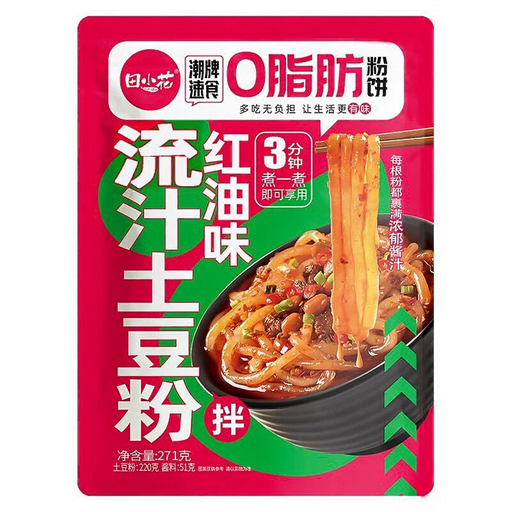
Why this fits the profile: The bag contains several small portions and, according to the product information, can be prepared with hot water. That’s handy for students or if you want to try potato noodles with red oil for the first time.
The nutritional information states 0 g fat per 100 g for the product; do check the complete nutritional value including the chilli oil sauce. The allergen list mentions soya, wheat and sesame.
Potato starch noodles, several small sachets and a chilli oil flavour. Net weight: 271 g.
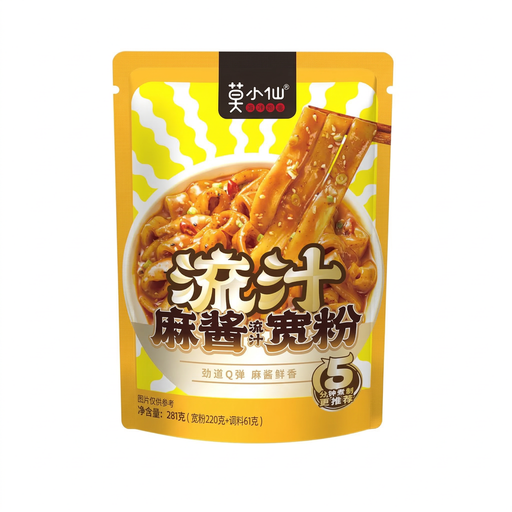
Why this fits the profile: This variety combines wide starch noodles with sesame paste, chilli and Sichuan pepper. The preparation time of 4 to 6 minutes gives you control over the desired bite.
The instructions give a specific cooking time and advise warming the sesame paste beforehand. The packaging lists wheat, soya and sesame as allergens.
Wide, elastic noodles; separate sauce components; net weight 281 g.
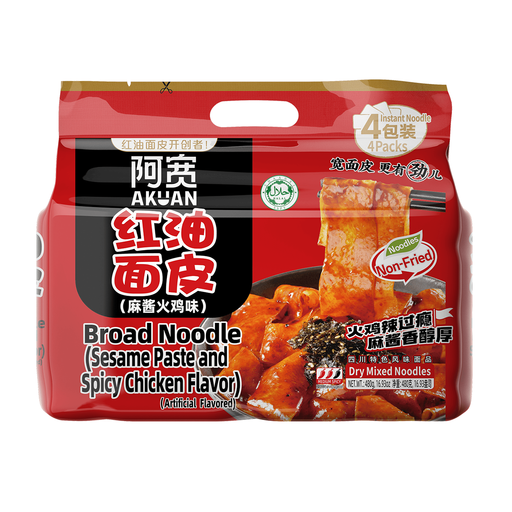
Why this fits the profile: The multipack contains four 120 g portions with wide noodles, chicken chilli sauce, peanut sauce and sesame seaweed garnish. That suits fans who want to eat spicy instant noodles regularly.
The separate sachets make the sauce adjustable. Do note: the ingredients list mentions wheat, soya, sesame and peanuts.
Four individual portions; wide noodles; combination of chilli, sesame and extra garnish.
We’ve put together a full, up-to-date list of products that fully meet these strict selection criteria and comply with current European safety regulations.
Always follow the instructions on the packaging. Wide wheat noodles usually need to be boiled in water. Potato vermicelli can sometimes be soaked in boiling water. Drain the noodles well before adding the sauce; otherwise the flavour will become watery.
For extra variety, add spring onion, coriander, cucumber, pak choi, egg or tofu. With spicy noodles, add only part of the chilli oil first and add more later. This way you can adjust the flavour better without having to throw away a whole portion of sauce.
No. There are mild sesame noodles, teriyaki varieties and Chinese noodle soup, but also strong red oil and Sichuan flavours. Check the sauce components and add chilli oil gradually.
The best-before date is on the packaging. Store unopened products in a cool, dry place away from direct sunlight and moisture. After opening or preparing, it’s best to consume them straight away.
That depends on the product. Wheat, soya and sesame are common; some varieties also contain peanuts. So always read the current ingredients and allergen information on the packaging.
