
Vandaag of morgen in huis

Kwaliteit gegarandeerd

Welkomstaanbiedingen ontgrendelen: GRATIS bezorging | Tot 80% korting | Gratis 30 dagen JoyPlus-proefperiode
Download de app
Chinese instant noodles are handy for a quick Asian meal, but not every pack offers the same experience. The difference lies in the noodle texture, preparation method, sauce and portion size. If you only look at an eye-catching packet or a spicy product name, you could end up with noodles that are too salty, contain few toppings, or don't suit the kitchen equipment you have available.
With this buying guide, you can compare Chinese instant noodles on verifiable points. This will help you more easily find Sichuan noodles, Chongqing noodles, hot and sour noodles, mala noodles, or a mild beef flavour.
Spicy instant noodles can vary enormously. With mala noodles, Sichuan pepper appears alongside chilli. This combination is often described as tingling or numbing. Other products are mainly sour from vinegar, while some noodles have a sweeter, savoury sauce.
So look at the individual sachets. A product with chilli oil, Sichuan pepper and vinegar has a different flavour profile to a noodle soup with just a seasoning powder. If you're unsure, start with part of the oil or powder and add more to taste.
A box containing multiple sachets is practical for students, families and households that want to stock up. But do check the weight per serving. A pack of 5 × 119g isn't directly comparable to a pot of 110g or a bulk pack of 460g.
Also pay attention to the best-before date, storage instructions and the space you have at home. Most products should be stored in a cool, dry place away from direct sunlight.
Non-fried instant noodles are produced differently from fried noodle blocks. This can affect the texture and fat content of the noodle itself. However, the accompanying sauce can still contain oil and salt.
Compare the nutritional values per 100g rather than just the marketing text. Also check whether the values apply to the dry product, the prepared portion, or the noodles including all sachets. This prevents an inaccurate comparison.
Wide noodles hold thick sauces and chilli oil well. They are often firm and springy, but sometimes require five to six minutes to rehydrate. This is the case for several A Kuan products, for example.
Thin noodles are generally quicker to prepare and work well with a soup base. If you're looking for a soft, thicker bite, consider instant udon noodles. Udon has a smooth, chewy texture and is usually boiled or briefly stir-fried.
Also check whether the noodles are fried or non-fried. This is a product characteristic, not a general statement about nutritional value.
For a student room or office, noodles that only need boiling water are practical. The Baijia A'KUAN Broad Noodle Spicy Hot Flavor states five to six minutes of steeping, then draining. The A Kuan Red Oil Noodles Spicy and Sour Flavor 110g states two minutes of steeping with 350ml of water.
Other products require a pan. According to the product information, NOODEELOONG Sichuan Dan Dan Noodles Classic needs to be cooked for four to five minutes. The Jinbai wei Spicy Kung Pao Flavour Udon Noodles Portable Bowl is designed for the microwave and states two to three minutes at 700–800 watts.
Always read the instructions on the packet. "Instant" doesn't automatically mean a product can be prepared without a pan, microwave or draining.
Sichuan noodles often contain chilli oil, Sichuan pepper, sesame, soy sauce or bean paste. If you have an allergy, check the full ingredients list. The products mentioned contain wheat, soya, sesame, peanut and mustard among other things.
The amount of salt can vary significantly. For example, Wu Gu Dao Chang Wheat-Flavoured Hot and Sour Beef Noodles states 1780mg of sodium per 100g, while other labels give salt as a salt equivalent. Therefore, use the information on the specific packet and don't automatically add all the sachets.
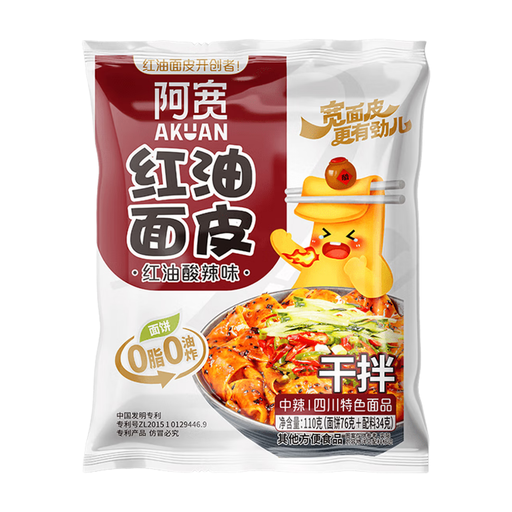
Why this fits the profile: A single serving with wide wheat noodles, chilli oil and vinegar. Handy as an introduction to hot and sour noodles without buying a multipack straight away.
The preparation method is clear: approximately 350ml of boiling water, two minutes of steeping, drain, then add the sachets. The oil and vinegar can be dosed separately.
Wide, chewy noodles; separate sachets for sauce, powder and vinegar; country of origin China.
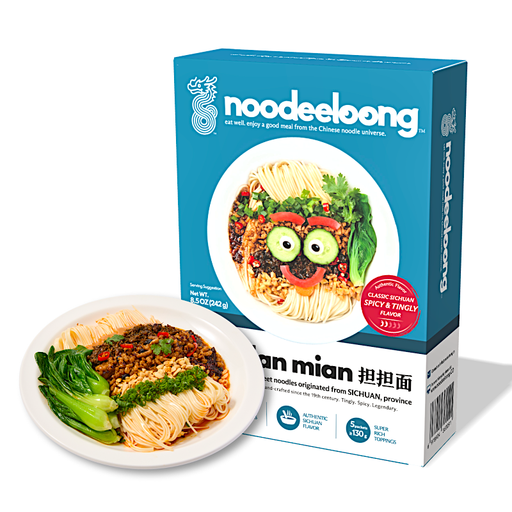
Why this fits the profile: The combination of sesame paste, chilli oil and Sichuan pepper appeals to fans of Dan Dan noodles with a layered, savoury sauce.
The product information lists separate sauce components and a preparation time of four to five minutes. This allows you to mix the sauce yourself with two to three tablespoons of cooking water.
242g per pack; sesame paste and chilli oil separate; optional to serve with spring onion or peanuts.
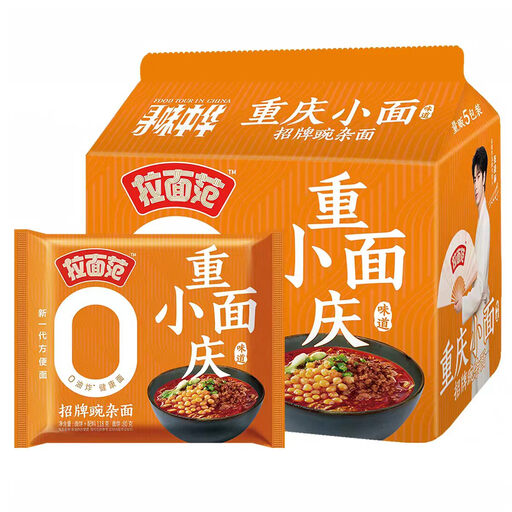
Why this fits the profile: A multipack for anyone who wants to prepare Chongqing noodles regularly and is looking for a more substantial meal with sauce, peas and dried vegetables.
The pack contains five individual portions. The instructions mention three minutes of cooking and make it clear which sauce is added only after cooking.
Five individual portions; non-fried noodle block according to the product description; separate sachets for peas, vegetables, powder and sauce.
For dry noodles with chilli oil, you usually drain the water completely before adding the sauce. This prevents the flavour from being unintentionally diluted. With a Chinese noodle soup, on the other hand, some of the cooking water stays in the bowl.
You can supplement the meal with pak choi, spring onion, cucumber, a boiled egg or peanuts. If you have allergies, check the ingredients list first. With wide noodles and chilli oil, a small amount of cucumber or coriander works well as a fresh contrast. Add oil and vinegar gradually when you're not yet familiar with the flavour.
For a household that often needs supplies, multipacks such as Wu Gu Dao Chang Hot and Sour Beef Noodles 5-Pack or A Kuan Chongqing Noodles Spicy Flavour Packs 500g are practical. If you prefer a fuller meal, take a look at Hefu Tomato Beef Flavor Noodles; the preparation method involves briefly boiling the noodles and heating the soup base and beef pack separately.
We've put together a full, up-to-date list of products that fully meet these strict selection criteria and comply with current European safety regulations.
That depends on the product. Some wide noodles only need to steep in boiling water for five to six minutes. Other varieties require cooking in a pan. A microwave pot, such as the Jinbai wei Spicy Kung Pao Flavour Udon Noodles Portable Bowl, states a preparation time of two to three minutes at 700–800 watts. Always follow the packet instructions and use enough hot water.
Store unopened packs according to the label: usually in a cool, dry place away from direct sunlight. The exact best-before date is on the packet. After opening or mixing, many products should be eaten immediately. Therefore, do not store prepared noodles again at room temperature.
That varies by portion and composition. A product with only noodles and sauce is often mainly a quick meal or snack. Varieties with beef seasoning, vegetables, peas or a larger portion can be more filling. Check the nutritional value and add fresh vegetables or an egg if you want to make the meal more substantial.
