
Vandaag of morgen in huis

Kwaliteit gegarandeerd

Welkomstaanbiedingen ontgrendelen: GRATIS bezorging | Tot 80% korting | Gratis 30 dagen JoyPlus-proefperiode
Download de app
A pack of Chinese instant noodles might seem like a simple choice. But the products vary widely in flavour, portion size, preparation method and ingredients. A spicy sauce with Sichuan pepper is very different from a mild beef-flavoured noodle soup. And the difference between a small 5-pack and a bulk pack only becomes apparent when you open your cupboard.
As Joybuy’s Product Recommendation Officer, I’ve filtered the most important product information into practical points. That way, you won’t rely solely on the packaging or an appealing flavour name.
Terms like Sichuan, Chongqing, spicy and hot & sour refer to flavour profiles, but they don’t give a fixed scale of spiciness. What’s more, Sichuan pepper creates a tingling sensation that’s different from chilli heat alone. So check which sachets are included: a separate chilli and Sichuan pepper oil usually gives you more control than a single mixed seasoning sachet.
A box of twelve pots or a 2 kg bag might work out cheaper per portion, but it takes up more space. With dried Chinese noodles, you also need to add your own stock, sauce, vegetables or egg. A multipack with individual seasoning sachets is more convenient for quick meals, while a large pack of dried noodles suits households that regularly make stir-fries or noodle soup.
Some instant ramen just needs soaking in boiling water, while others need to be boiled for three to eight minutes. Pre-cooked noodles can be heated in the microwave, whereas dried Chinese noodles must first be cooked in plenty of water. So check the preparation method before you order. Also check for allergens, especially wheat, soya, sesame, egg, fish and shellfish.
For a meal at the office or in a student room, pots or sachets that are prepared with boiling water are practical. Uni-President states a preparation time of around five minutes for the 100 g sachets. According to the product information, the prawn and fish flavour pot needs 500 ml of boiling water and three to four minutes, covered.
For cooking in the kitchen, other varieties are more flexible. The Sichuan noodles from HUI JI need to boil for five to eight minutes and are then mixed with the sauce. That suits anyone who wants to add toppings, pak choi, egg or tofu.
A product with just wheat flour, water and salt gives you more freedom with the sauce. An instant variety, on the other hand, delivers a complete flavour combination more quickly.
Don’t just compare the number of sachets, but also the weight per portion. A pack of 5 × 100 g is not the same as 5 × 170 g. Also pay attention to the salt content per 100 g and the nutritional value of the full preparation, including sauce and oil.
The reference products usually list wheat. Some varieties also contain soya or sesame; products with prawn and fish flavour also mention shellfish, fish and molluscs. If you have allergies, always check the current packaging. The information on a product page is useful for an initial comparison, but the label remains definitive.
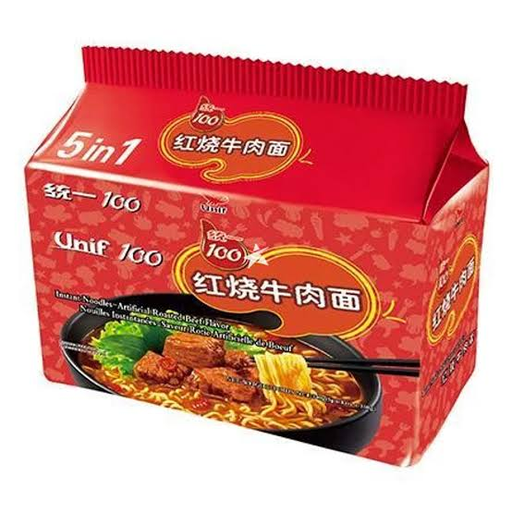
Why this fits the profile: A straightforward 5-pack with classic beef flavour and a preparation time of around five minutes. Ideal as a first introduction to Chinese instant noodles.
The weight per sachet and the number of portions are clearly stated. This means you won’t buy a large stock without first knowing whether you like the flavour.
5 × 100 g, beef-flavoured broth and dried vegetables. Contains wheat and soya; check the label if you have allergies.
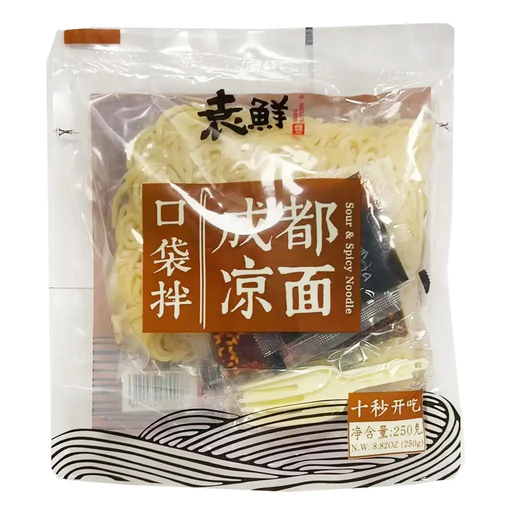
Why this fits the profile: For anyone looking for regional flavours and a different preparation method from ordinary noodle soup. According to the product description, the sauce combines chilli oil, Sichuan pepper and vinegar.
According to the product information, the noodles are already cooked and are simply mixed with the sauce. This means you don’t need a pan or separate stock.
250 g per pack, mix preparation and a distinctive Sichuan flavour profile. Contains wheat, soya, peanuts and sesame.
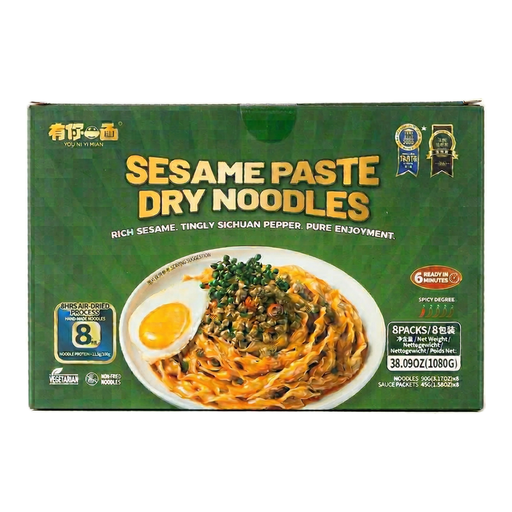
Why this fits the profile: A large stock for fans of spicy Chinese noodles who cook more often and want to add their own toppings or extra sauce.
It’s not a vague loose noodle pack: each portion has its own sauce. The preparation method and total weight are specified.
8 × 135 g, wide noodles and a sauce with sesame and Sichuan pepper. Cooking time according to the product information: five to eight minutes.
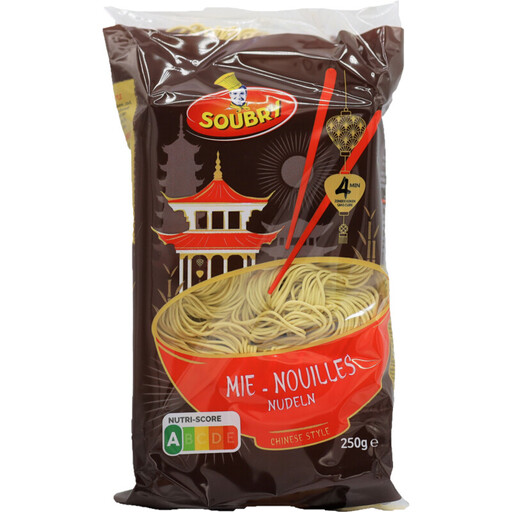
Why this fits the profile: A neutral base for Chinese stir-fry noodles, soup and Asian recipes where you control the flavour yourself.
There are no pre-determined spicy seasoning sachets. You can choose the amount of soya sauce, oil, vegetables and egg yourself.
250 g, ready in around four minutes according to the product information, and suitable for stir-fry dishes. Contains wheat; possible traces of soya and sesame, among others, are stated.
We’ve put together a full, up-to-date list of products that fully meet these strict selection criteria and comply with current European safety regulations.
Not quite. Instant ramen is a broad term for quick-to-prepare noodle products. Chinese instant noodles can have specific styles, such as Chongqing noodles, Sichuan noodles, Chengdu cold noodles or beef-flavoured broth. The shape, sauce and preparation method vary from product to product.
Unopened products can generally be stored until the date on the pack, provided they are kept cool, dry and out of direct sunlight. Always check the stated best-before date. Once opened, you should store the product according to the pack instructions and use it as soon as possible.
That depends on what you’re comparing. Instant noodles often include sauce, seasoning and vegetables in individual portions. Dried noodles usually have a lower price per quantity, but you need to add your own stock, oil, vegetables and flavourings. For convenience, choose instant; for multiple recipes and stocking up, a large pack of dried noodles is often more practical.
