
Vandaag of morgen in huis

Kwaliteit gegarandeerd

Welkomstaanbiedingen ontgrendelen: GRATIS bezorging | Tot 80% korting | Gratis 30 dagen JoyPlus-proefperiode
Download de app
Chinese instant noodles are handy for a quick meal, a late-night study session or the office cupboard. Yet many packets look alike, even though preparation, texture and portion sizes can vary considerably. If you choose based only on the flavour name or a large pack, you could end up with soup that’s too salty, too few portions or a product that needs more preparation than you expected.
As a Joybuy Product Recommendation Officer, I focus on the practical details that matter most. That way, you can compare Asian instant noodles using verifiable specifications rather than marketing claims alone.
A 440 or 500 gram pack may contain several individual portions. Always check the breakdown, such as 5 × 100 grams or 4 × 120 grams. Some sets also combine two different products. This can be handy, but check the total contents and preparation method for each item.
Spicy instant noodles may contain chilli oil, Sichuan pepper, vinegar or a mala seasoning mix. Each gives a different effect. Mala usually refers to a combination of the tingling sensation from Sichuan pepper and the heat of chilli. A “hot and sour” product, on the other hand, has a distinct tang from vinegar.
You can often adjust the amount of chilli oil yourself. This makes a product a better choice for households with different taste preferences, but check whether all the sachets are included separately.
Cup noodles are usually made by soaking them in boiling water. Other Chinese noodles need to be boiled first, then drained and mixed with sauce. Check the cooking time: it can range from around 3 to 5 minutes to 10 to 12 minutes for thicker rice noodles.
The label “0% fat” may refer to the noodles themselves, not necessarily the whole meal with its oil or sauce sachet. Check the nutritional information for the entire product.
Check whether you need a pan and how much water is recommended. A product such as Haichijia Hot and Sour Noodles needs around 5 to 6 minutes to soak in a bowl. Other products need to be boiled and then drained. For some sauces, you’ll need to keep some of the cooking water to get the right consistency.
Always read the label if you have an allergy or avoid certain ingredients. Products in this category may contain wheat, soya, sesame, peanuts, mustard, celery and molluscs. For example, Hao Huan Luo Liuzhou noodles list snail, soya, peanuts, sesame and wheat as allergens.
Salt levels also vary considerably. Nutritional information is often given per 100 grams, but you may eat a whole portion. If you want to control the flavour, don’t automatically use all the chilli oil or seasoning powder. This changes the make-up of the meal, but doesn’t automatically make the product low in salt.
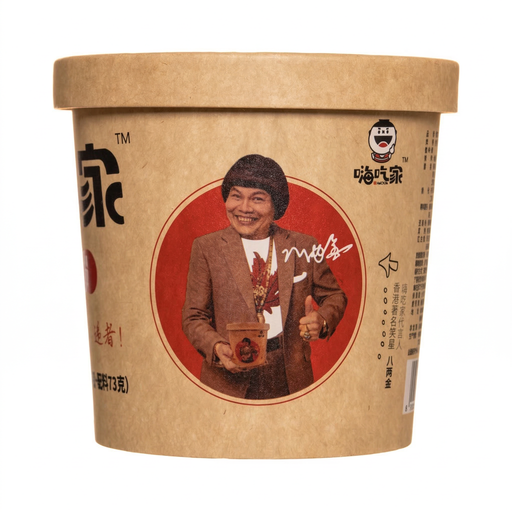
Why it suits this profile: A straightforward cup for anyone who wants to try hot and sour noodles without buying a large multipack.
The product information gives clear instructions: add boiling water and soak for 5 to 6 minutes. It’s a single 143-gram portion.
Vermicelli made with pea and sweet potato starch; cup format; vinegar and chilli for a recognisable tangy, spicy flavour.
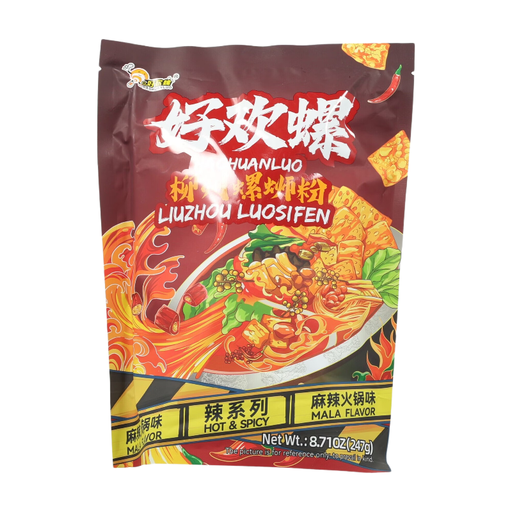
Why it suits this profile: For anyone who wants to combine several flavour components and enjoy a more substantial dish with authentic Chinese flavours.
The set contains six separate sachets, including rice noodles, soup base, pickled bamboo shoots, tofu skin, peanuts and chilli oil. You can adjust the heat to some extent.
Rice noodles; 10 to 12 minutes’ cooking time; 450 ml of water for the broth; molluscs, soya, peanuts, sesame and wheat listed as allergens.
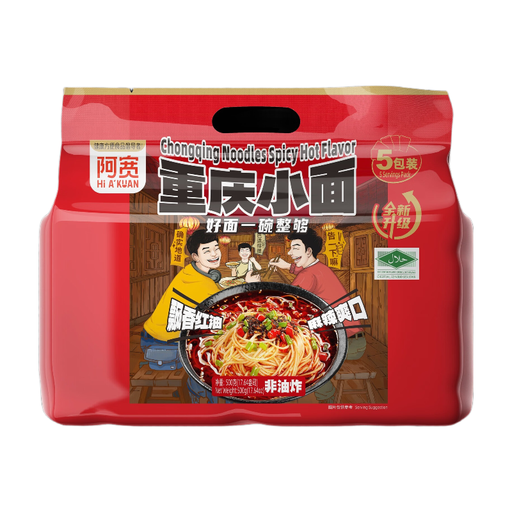
Why it suits this profile: A practical cupboard staple for students, busy households and Sichuan noodle fans who want to keep several portions on hand.
The pack contains 5 × 100-gram sachets. The chilli oil is added separately, so you can adjust the heat in each bowl.
3 to 4 minutes’ cooking time; separate soup base, chilli oil and vegetables; wheat and soya listed as allergens.
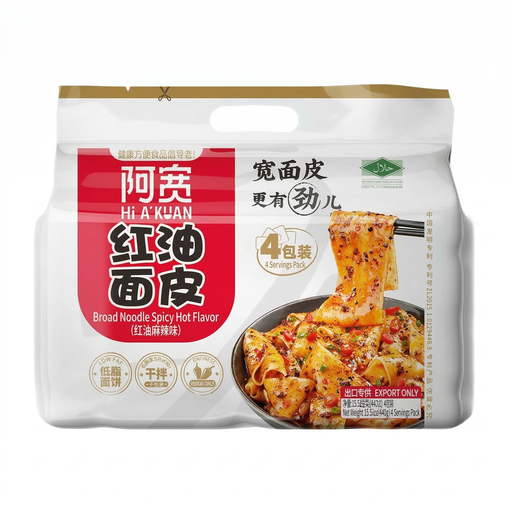
Why it suits this profile: For anyone who cares most about the texture of wide wheat noodles and a chilli oil sauce.
The instructions are clear: soak for 5 to 6 minutes, drain thoroughly, then mix in the sauce. You won’t be left with a thin instant noodle soup.
440 grams in total; wide noodles; sauce with red oil and bean paste; wheat and soya listed as allergens.
We’ve put together a full, up-to-date list of products that meet these strict selection criteria and the applicable European safety requirements.
Store unopened packs in a cool, dry place, away from direct sunlight and moisture. For multipacks, check that all the sachets are properly sealed. It’s best to eat prepared instant noodle soup and mixed noodles straight away; always follow the instructions on the packaging.
Yes, individual packets and multipacks are handy to keep in the cupboard. Be sure to compare the number of portions, the best-before date and the storage space you’ll need. A 30-pack such as Nissin Spicy Sesame Oil Flavor is mainly suited to households or offices that eat instant noodles regularly, while a single cup is more convenient if you want to try a flavour first.
Start by adding just some of the chilli oil or seasoning powder, then taste and adjust. With dry noodles, you can add extra vegetables, an egg or another source of protein. Bear in mind that some products contain several allergens, and adding ingredients changes the overall nutritional value of the meal.
