
Vandaag of morgen in huis

Kwaliteit gegarandeerd

Welkomstaanbiedingen ontgrendelen: GRATIS bezorging | Tot 80% korting | Gratis 30 dagen JoyPlus-proefperiode
Download de app
Chinese instant noodles are a convenient option for a quick meal, but the differences between packs can be significant. One variety features wide, chewy noodles with chilli oil, while another is designed primarily as a base for a homemade soup or stir-fry.
If you only focus on an eye-catching packet or the word “authentic”, you could end up with a product that doesn’t suit your taste, your store cupboard or your cooking method. This guide helps you compare Chinese instant noodles on measurable points, so you can find the variety that works for you.
Spiciness can come from chilli, chilli oil, capsaicin or Sichuan pepper. These ingredients don’t taste the same. Sichuan pepper is often associated with a tingling or numbing sensation in the mouth, whereas chilli oil mainly adds oily warmth and aroma.
Always check the ingredients list and any separate sachets. With many red-oil noodles, you can adjust the amount of oil yourself.
A multipack is practical if you eat noodles regularly. However, a bulk pack of plain dried noodles requires extra ingredients such as sauce, sesame paste, vegetables or egg. So don’t just work out the price per pack – calculate the cost per complete meal.
A product weighing 110 or 115 grams is usually intended as a single quick portion. A bag of 1.816 or 2 kilograms is better suited as a store-cupboard staple or a base for multiple dishes.
Some wide noodles only need to soak in boiling water for 4 to 6 minutes. Other products must be boiled first and sometimes stir-fried afterwards. If you only have access to hot water at the office, in a student room or on the go, it’s worth checking the instructions beforehand.
Also pay attention to whether the instructions say to drain the water completely. With dry mix noodles, this affects how concentrated the sauce becomes.
Texture is one of the most noticeable differences between Asian noodles:
Look at the ingredients: wheat flour, potato starch, sweet potato starch and tapioca starch all affect the structure.
For fans of Sichuan instant noodles, the sauce sachets are key. A product with chilli oil, vinegar and Sichuan pepper has a different profile from one with sesame paste or soy sauce.
Common flavour directions include:
Also check for allergens. The products mentioned may contain wheat, soya, sesame, peanuts, mustard and egg. Always read the label on the pack you receive, as recipes and labelling can change.
Nutritional values are often given per 100 grams, either including or excluding the seasoning sachets. This can make comparisons tricky. Wu Gu Dao Chang, for example, states 452 kcal and 2100 mg sodium per 97-gram portion, while other products give values per 100 grams.
When comparing, look at:
These are practical details, not a judgement on suitability for your personal diet.
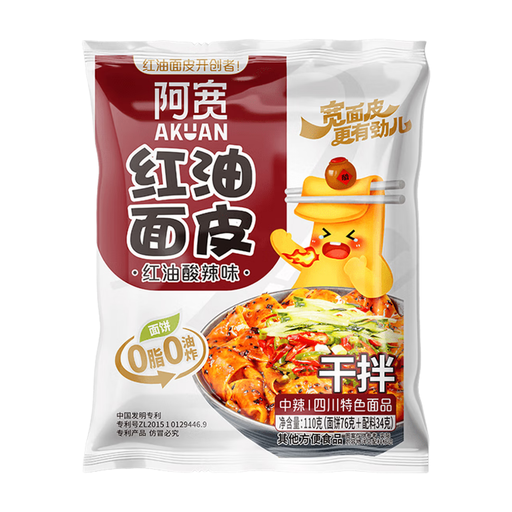
Why this fits the profile: A 110-gram portion with wide wheat noodles and separate sauce, seasoning and vinegar sachets. According to the product information, preparation requires approximately 350 ml of boiling water and 2 minutes covered standing time.
The single-serve pack stops you buying a large bulk pack before you know whether the combination of sour and spicy flavours suits you.
Wide, chewy noodles; separate vinegar and oil sachets; quick to prepare with boiling water.
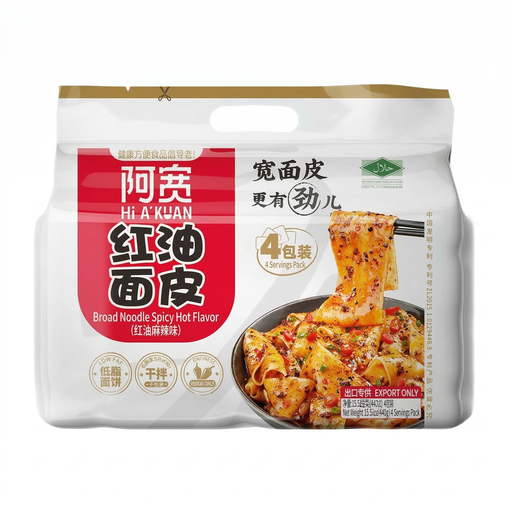
Why this fits the profile: The 440-gram pack contains wide noodle sheets and a Sichuan-style red oil sauce. According to the instructions, the noodles soak for 5 to 6 minutes in boiling water.
The product information states the noodle width, preparation time and ingredients more clearly than a vague marketing term like “extra authentic”.
440 grams total; wide structure; chilli oil and spices added separately.
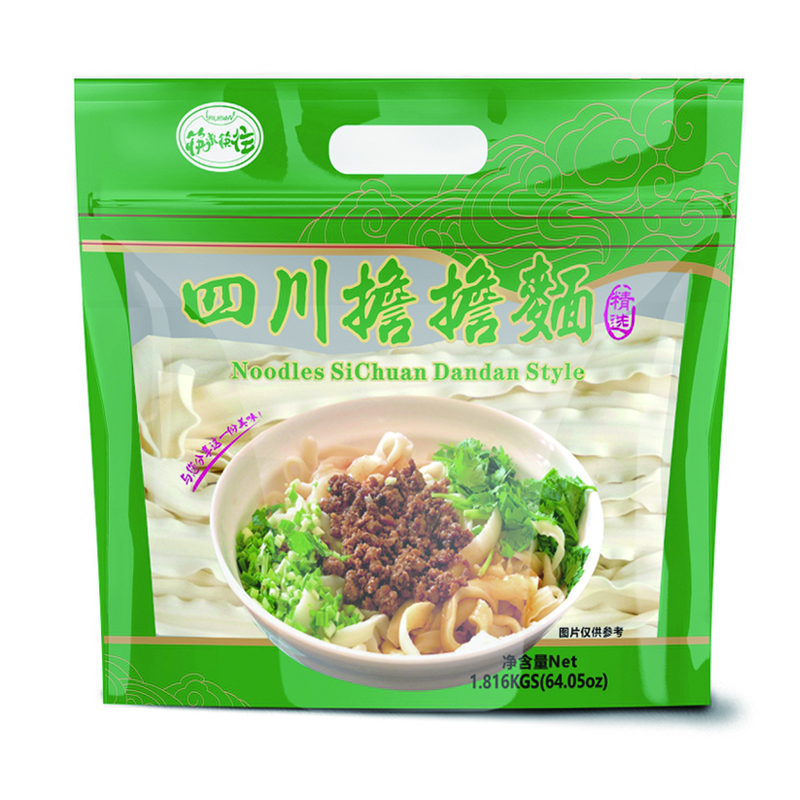
Why this fits the profile: This is a bulk pack of thin, round dried wheat noodles. You boil them for about 5 minutes and add your own sauce or toppings for Dan Dan noodles, soup, stir-fries or cold noodle dishes.
The pack makes it clear that only the noodles are supplied. This means you know in advance that you will need your own seasonings, chilli oil or other ingredients.
1.816 kilograms of stock; low fat content according to the stated nutritional values; suitable for multiple cooking methods.
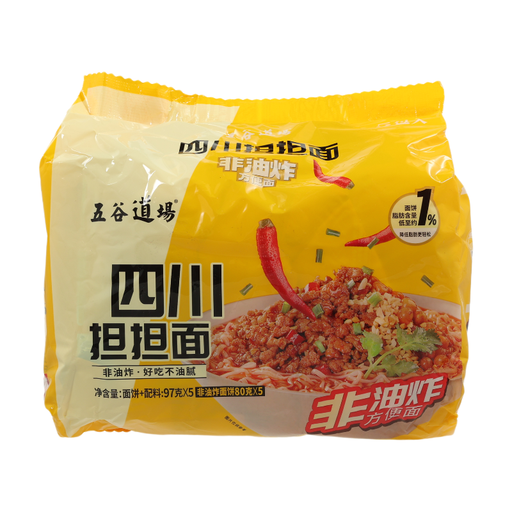
Why this fits the profile: Five individual portions are handy for households, students or a store cupboard where you want to use one pack at a time.
The portions are pre-divided. This means you don’t have to weigh out a large quantity of dried noodles, and you can keep the rest sealed for later use.
5 x 97 grams; Sichuan Dan Dan flavour; sauce and dried vegetables included.
We’ve put together a full, up-to-date list of products that fully meet these strict selection criteria and comply with current European safety regulations.
For a quick meal on a busy workday, A’Kuan bowls and multipacks are practical. If you prefer more control over the flavour, choose dried noodles without sauce and create your own combination with sesame paste, soy sauce and instant noodles with chilli oil.
No. There are mild sesame paste and soy sauce varieties, as well as heavily spiced Sichuan instant noodles. With products that have a separate chilli oil sachet, you can often decide how much oil to add. The exact ingredients and warnings are on the pack.
The best-before date is on the pack. Store unopened products according to the stated storage instructions, usually in a cool, dry place away from direct sunlight. Once prepared, many varieties should be eaten immediately. Do not store a mixed portion for later.
Red-oil noodles are primarily about chilli oil, spices and often vinegar. Dan Dan noodles usually have a savoury-spicy profile with Sichuan pepper and a sauce base. The names vary by brand, so always compare the ingredients and preparation method rather than relying on the product name alone.
