
Vandaag of morgen in huis

Kwaliteit gegarandeerd

Welkomstaanbiedingen ontgrendelen: GRATIS bezorging | Tot 80% korting | Gratis 30 dagen JoyPlus-proefperiode
Download de app
Chinese instant noodles are handy for a quick Asian meal, but not every pack suits the same eating habits. One pot contains wide wheat noodles with chilli oil, while another is better as a base for soup, stir-fried noodles or Dan Dan noodles. So don’t just look for words like “authentic” or “extra spicy” – pay attention to ingredients, preparation method, portion size and allergens instead.
Spiciness can come from chilli, chilli oil or an ingredient like capsaicin. As a result, the flavour can range from aromatic and warming to simply sharp. With Sichuan noodles, Sichuan pepper, sourness and a slightly numbing sensation often play a part too. So check whether the pack contains separate sachets of chilli oil, vinegar and spices.
If you prefer a milder heat, you can add only part of the oil or seasoning powder. With many Chinese instant noodles, this makes the flavour much easier to adjust than with a ready-made broth.
A pack of 110 to 115 grams is usually intended for one quick meal. A multipack is practical for students, home workers or a store cupboard, but check whether the total weight is made up of individual portions. A bag of 430, 440 or 460 grams may contain four servings, while a pack of 1.816 or 2 kilograms often contains only dry noodles and therefore still needs sauce or broth.
Brands may describe their recipe as authentic. According to information from A’Kuan and other brands, some products are inspired by Sichuan street food, but the flavour still depends on the recipe and preparation. So look for verifiable details such as noodle type, sauce sachets, origin, allergens and cooking time.
Also note the difference between fried and non-fried noodles. For some A’Kuan products, the product information states that the noodles are not fried. This tells you something about the production method, but not automatically about the full nutritional value of the dish – sauce and oil count too.
For a quick meal, a product with clear steps is useful. Some pots only need to be covered with boiling water and left to stand for two to six minutes. Other products need to be boiled, drained and mixed with sauce. A microwave version, such as the Jinbai Wei Spicy Kung Pao Udon, requires a 700–800 watt microwave and about 20 millilitres of water according to the product description.
Check beforehand:
Nutritional values vary widely. According to the stated product information, some spicy noodles contain around 3 to 5 grams of salt per 100 grams. That’s relevant information if you’re stocking up on multiple portions or eating the noodles often. Always compare the label on the exact pack.
Many Chinese instant noodles contain wheat, soya, sesame or peanuts. Products with sesame paste or peanut paste are not suitable if you need to avoid these allergens. Also check the packaging if the recipe has changed or with a new import batch.
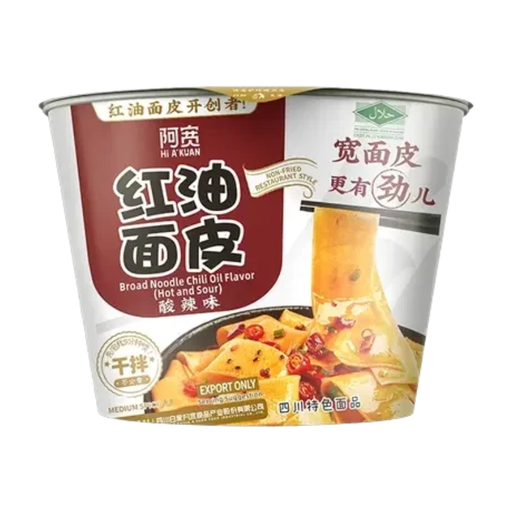
Why it fits this profile: The single pot is straightforward for anyone trying Chinese instant noodles for the first time who doesn’t want to buy a large stash. The flavour combines sourness, chilli oil and wide noodles.
The product information mentions separate oil, seasoning and vinegar sachets. This means you can build up the intensity yourself rather than adding one unknown sauce entirely.
115 grams per pot, wide wheat noodles and storage at room temperature until use.
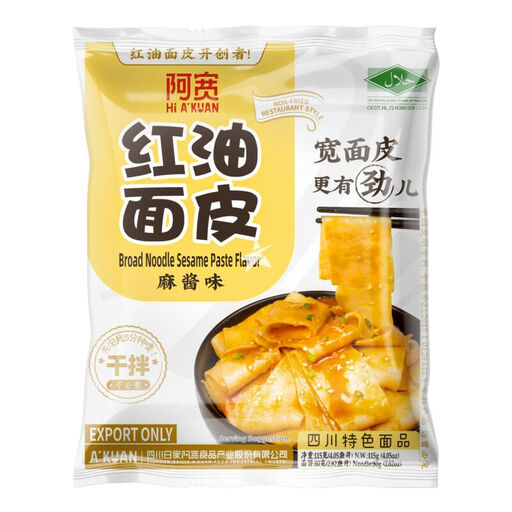
Why it fits this profile: The combination of sesame paste and red chilli oil offers more depth than just a spicy broth. According to the product description, the wide noodles are not fried.
The sauce isn’t focused solely on heat: the product information states 46% sesame paste in the sauce sachet. Do check the stated sesame, soya and wheat content.
Non-fried wide noodles, 115 grams per serving and extra toppings such as cucumber or coriander are easy to add.
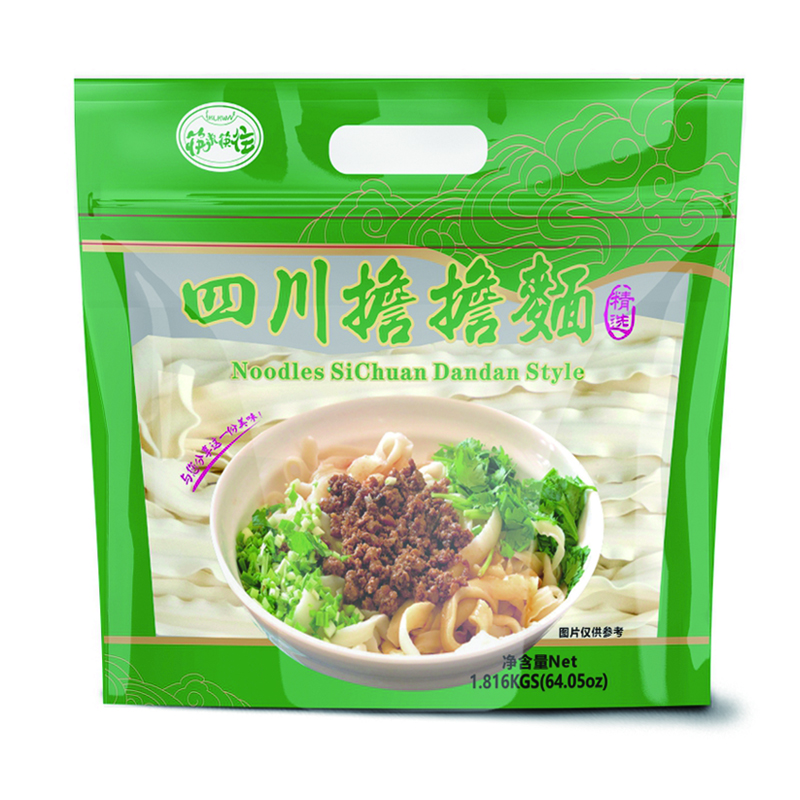
Why it fits this profile: This large pack is suitable for households, cooking enthusiasts and anyone who wants to make their own Sichuan noodles, soup or stir-fry dishes.
The product information makes it clear that these are dry noodles without sauce. So you’re not buying a large bag that imposes one fixed flavour, but a base for your own preparation.
1.816 kilogram contents, round noodles approximately 20 centimetres long and suitable for soup, cold noodles, stir-frying and hotpot.
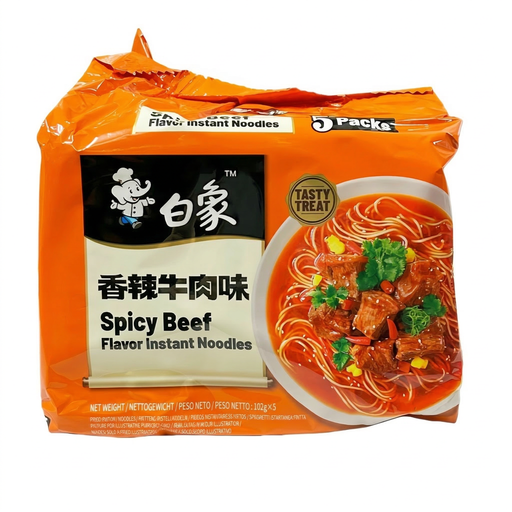
Why it fits this profile: Five individual portions are easy to store and suitable for workdays, late meals or a shared stash.
The packaging states 102 grams per sachet and a total weight of 510 grams. So it’s clear how many individual meals you’re buying.
Five portions, non-fried noodles according to the product description and a preparation time of around four to five minutes.
We’ve put together a full, up-to-date list of products that fully meet these strict selection criteria and comply with current European safety regulations.
Follow the instructions on the pack. Often you place the noodles in a bowl, pour boiling water over them and leave them to stand for a few minutes. Then you drain the water and stir in the sauce sachets. With dry noodles without flavour sachets, you add your own chilli oil, soy sauce, sesame or broth.
Unopened packs are usually best stored in a dry, cool place away from direct sunlight. Always check the best-before date on the packaging. After opening or preparing, the noodles are generally consumed immediately according to the product information.
Yes, especially multipacks and large bags of dry noodles are practical for a store cupboard. Choose portion packs when convenience is your priority. If you buy a large bag of loose noodles, bear in mind that you’ll need to add your own sauces, vegetables and possibly egg, tofu or other toppings.
