
Vandaag of morgen in huis

Kwaliteit gegarandeerd

Welkomstaanbiedingen ontgrendelen: GRATIS bezorging | Tot 80% korting | Gratis 30 dagen JoyPlus-proefperiode
Download de app
Chinese instant noodles are handy for a quick lunch, a late-night meal or stocking your kitchen cupboard. But the range can be less straightforward than it first appears. A packet featuring chilli, wide noodles or a large multipack doesn’t tell you enough about how to prepare it, how intense the flavour is or whether it’s right for your household.
The three most common pitfalls:
The base determines the texture and how the noodles are prepared:
Check the preparation method too. Some cups just need to soak for 5 to 6 minutes, while other noodles need to boil for 3 to 5 minutes and then be drained. A cup is handy for the office or a student room; at home, a boil-in-pan option gives you more control over the texture.
Spicy instant noodles can vary considerably:
The number of seasoning sachets matters too. A product with separate sachets for oil, broth, vegetables and toppings gives you more control over the flavour. For example, start with some of the chilli oil if you’d like to build up the heat gradually.
Chinese noodles often contain wheat, soya, sesame or peanuts. Some varieties may also contain celery, mustard, milk or shellfish. For example, Hao Huan Luo Liuzhou River Snail Rice Noodles are listed as containing snail, soya, peanuts, sesame and cereals containing gluten.
Also compare the nutritional values per portion, not just per 100g. Instant noodles can contain relatively high levels of salt because of the sauce and seasoning sachets. With instant noodle soup, you can set aside some of the broth or seasoning mix, but always follow the product information and preparation instructions on the pack.
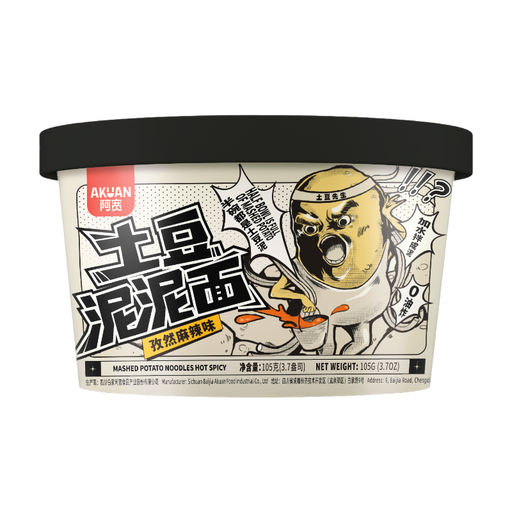
Why it suits this profile: This bowl is a good choice if you want to try Chinese noodles without needing a pan or complicated preparation. Add boiling water and leave for 5 minutes, as instructed on the pack.
The product information lists separate sachets for the sauce, potato flakes, peas and vegetables. This makes it clear which ingredients affect the flavour and texture.
Cup format, cumin and mala seasoning, 105g per portion, and clear allergen information for wheat, gluten and sesame.
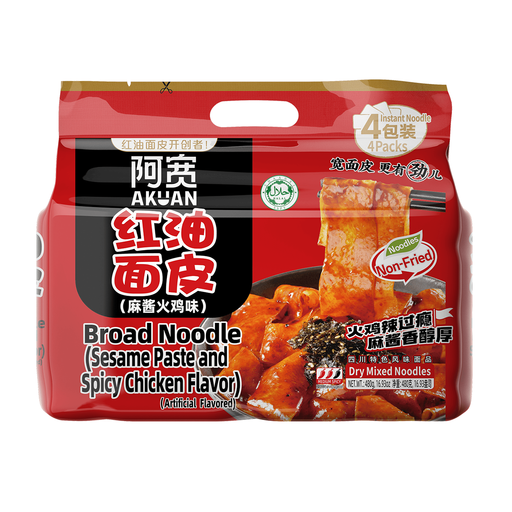
Why it suits this profile: A great choice for fans of wide noodles with a selection of sauces and toppings. The four bags are handy if you regularly fancy making a generous bowl of noodles.
The pack specifies four 120g portions and lists the chilli, peanut and sesame sauces separately. This avoids confusion about portion size and allergens.
Wide wheat noodles, sesame paste, chilli oil and a seaweed garnish. Preparation: boil for 3 to 5 minutes, drain and mix.
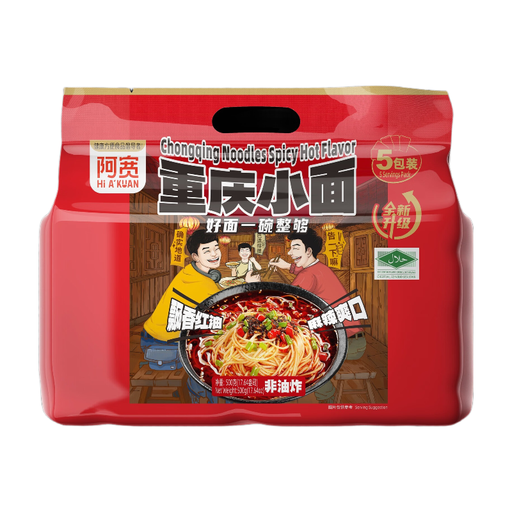
Why it suits this profile: This multipack contains five 100g bags, making it a good fit for households, shared student accommodation or keeping in the cupboard for several quick meals.
The sauce, chilli oil and vegetables are supplied separately. You can adjust the amount of chilli oil and prepare the noodles with the specified amount of boiling water.
Five individual portions, wheat noodles, soy sauce, Sichuan pepper listed in the ingredients and a preparation time of around 3 to 4 minutes.
We’ve put together a complete, up-to-date list of products that meet these strict selection criteria and the applicable European safety regulations.
Before opening, check whether the product needs to be boiled or simply soaked. With noodles served with sauce, it’s important to drain them well: any water left behind can dilute the flavour. Add the oil and seasoning afterwards so the sauce clings to the noodles.
Store unopened Chinese instant noodles in a cool, dry place away from direct sunlight. Check the best-before date on the pack. It’s best to eat instant noodles as soon as they’re prepared. Reseal any opened pack containing separate sachets and store it according to the product instructions.
No. Flavours range from mild sesame or chicken broth to very spicy Sichuan noodles with chilli oil. You could start with a product that has the oil in a separate sachet, so you can adjust the amount yourself.
Rice noodles usually have a softer, lighter bite. Potato noodles and vermicelli are often smoother and more elastic. The exact texture depends on the ratio of starches and the cooking time.
Shelf life varies by product and is shown on the pack. Store unopened packs in a dry place away from direct sunlight. After buying, check that all the sachets are intact and eat prepared noodles straight away.
